
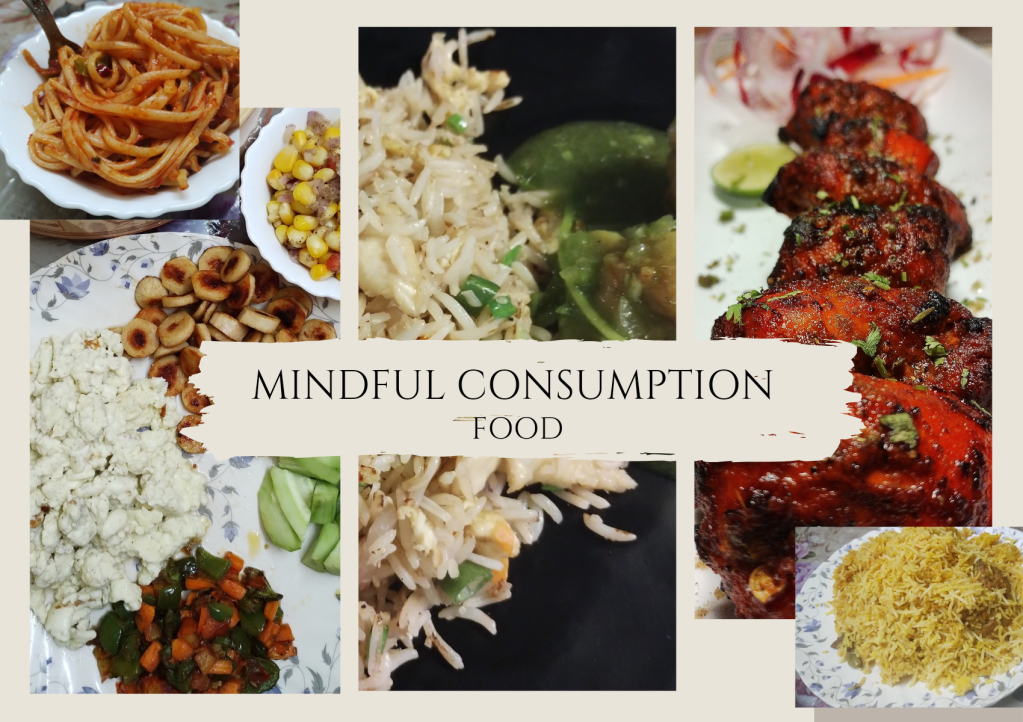
“Waste not, want not.” This age-old saying reminds us of the importance of using resources wisely, yet many seem have forgotten its wisdom today. It suggests that if we use our resources carefully, we’ll always have enough. Reflecting on food, I’ve had a personal experience that highlights this issue. While working at a rural bank, I used to cook and bring my lunch to Office daily. On some occasions, I carelessly threw away extra rice. One day, I found myself running short on grains and, pressed for time, had to make do with what was left. That day, I felt the pangs of hunger and realized that if I hadn’t wasted food before, I wouldn’t have faced that situation. While we may have abundant money, resources are finite.
Have you ever paused to think about what happens to the leftovers from last night’s dinner? In a world overflowing with choices, it’s easy to overlook the fate of our uneaten food. We live under the comforting illusion of abundance, but the reality is that our planet’s resources are limited and we are pushing them to their breaking point. If we don’t change our ways, we might soon find ourselves facing the dire consequences of resource scarcity—not just for future generations, but within our own lifetimes.
According to the United Nations Food Waste Index Report 2024 (by UNEP), the world wasted 1.05 billion tonnes of food in 2022, which is approximately 19% of the food available to consumers globally. Ironically, 783 million people suffer from hunger worldwide. In India, households waste an astonishing 78.2 million tonnes of food each year, even as the country grapples with the world’s largest hungry population, totaling 233.9 million people (Global Hunger Index 2023). In simple terms, each person in India wastes about 55 kg of food annually—a grim reality indeed.
Our consumption patterns have shifted dramatically over the years. We’ve become increasingly caught up in a cycle of mindless consumerism, especially when it comes to food. Think about the last buffet or brunch you attended. The allure of diverse delicacies often tempts us to fill our plates to the brim, driven by the belief that we must get our money’s worth. But how often do we stop to consider the food that ends up in the bin? Think about public gatherings, particularly marriage functions, where we as invitees often waste copious amounts of food. After lavish spreads, we sometimes shamelessly critique the saltiness of curries or the oiliness of parathas, all while a significant portion of that food goes uneaten. When hosts invite 300 guests and only 200 show up, the waste becomes staggering. Each plate piled high may represent wasted resources and unnecessary financial strain.
Moreover, we need to reflect on what we’re consuming. Have you ever examined the ingredient lists on the packaged foods you consume? Do you know that it is essential to consider the quality of our food alongside the quantity? Many packaged foods are laden with chemicals we wouldn’t consider eating if we thought more critically. The addictive charm of street food draws many of us in. Yet, we know very little about the ingredients used. We call it “junk” food—a term that literally means discarded items of low use—yet we happily savor these foods without a second thought. Recently, news surfaced about fake paneer and butter being used in Delhi’s street food. Well street food is typically inexpensive, but what about the so-called high-end restaurants? Reports from FSSAI raids have revealed that some popular establishments compromise food safety by using expired ingredients. Seems like food safety is no longer a matter of concern!
Both under-consumption and over-consumption pose risks. Many of us are fortunate enough to enjoy three meals a day, yet we often waste food that could nourish someone in need. The challenges of global overconsumption and poor choices are serious, leading to ecosystem degradation and health issues. Our decisions, especially regarding food waste, affect our cultural practices and contribute to deforestation, biodiversity loss, soil erosion, and climate change, resulting in a cascade of environmental damage.
Our eating habits not only affect us but also set examples for the next generation. Children mirror our choices, and if we disregard our health, we are just passing on those habits to them. I urge you to pay closer attention to what you eat and how it makes you feel. Distinguish between physical hunger and emotional cravings, and practice self-control to reduce disordered eating behaviours. Check food labels and adopt healthier habits for yourself and those around you.
One viable solution to food wastage is organizing langars or donating surplus food to NGOs that collect excess food from weddings and restaurants to distribute to those in need. Numerous organizations across India are dedicated to this cause, showcasing how we can turn excess into nourishment for others.
I love to snack on chips, but I’ve learned to consider how their ingredients affect my health. By limiting my consumption and making more mindful choices, I’ve taken steps toward a healthier relationship with food. Now, it’s your turn to reflect on your eating habits and embrace mindful consumption.


 Ayantika Malakar
Leave a comment