
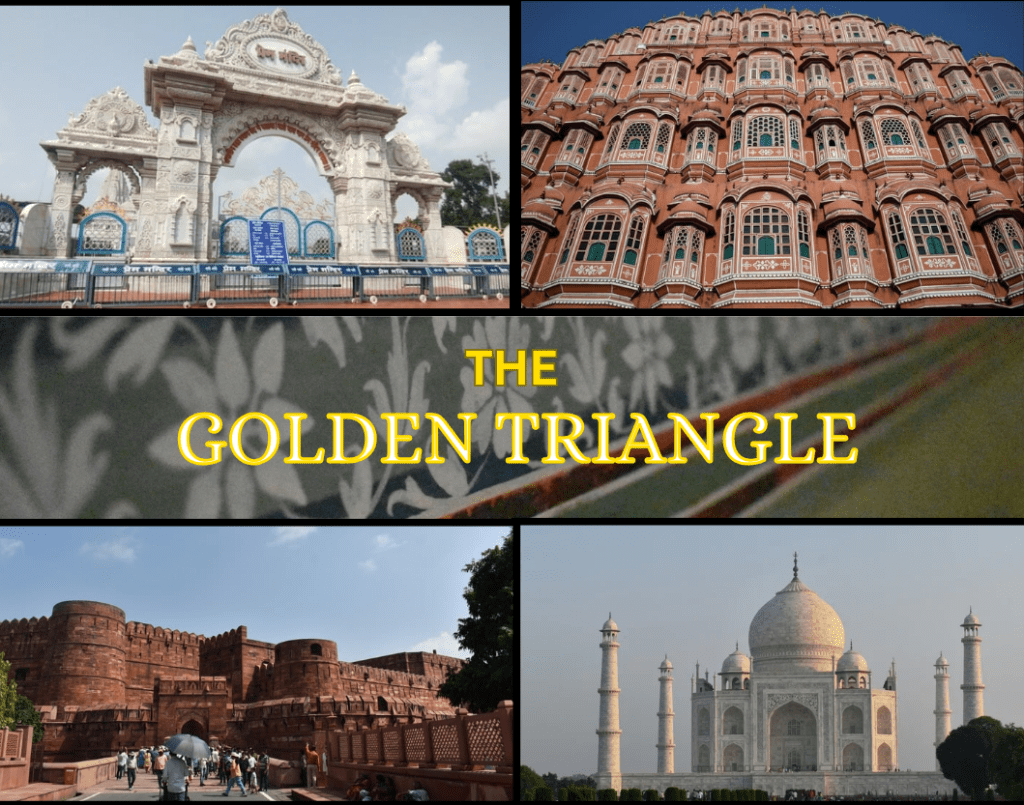
When winter sets in, you can manage a short break and are craving for a culturally rich tour for self and family, what can be better than the famed Golden Triangle? Covering the heritage sites of Delhi, Agra, and Jaipur, this iconic tour offers a deep dive into the majestic Islamic and Rajputana architecture while letting you relish the flavors of North Indian and Rajasthani cuisine. And if you wish to make the most of it, why not include a quick spiritual detour through the alleys of Mathura and Vrindavan, soaking in the divine aura of these revered towns?
If you’re a resident of Delhi or nearby areas, the Golden Triangle can be explored in multiple trips. But for those coming from other parts of India or abroad, I recommend setting aside at least five days to properly enjoy the cultural landmarks and timeless traditions of the entire route, spanning Delhi-Mathura-Agra-Jaipur.
My personal experience
I split my Golden Triangle tour into two parts— one dedicated to exploring Delhi City, and the other covering Mathura-Vrindavan, Agra, and Jaipur over three days by road. This blog will focus on the second leg of our journey.
For a detailed guide on Delhi City day tours, click the link below: https://ayantikamalakar.wordpress.com/2024/10/24/a-day-in-delhi-unveiling-the-citys-historic-and-cultural-gems/
Vrindavan – Mathura
We began our trip with an early morning flight from Kolkata to Delhi, where our pre-booked car was ready and waiting. Without delay, we set off on our journey. Starting reasonably early allowed us to avoid heavy traffic on our way to Vrindavan Dham in Uttar Pradesh, our first destination of the day. While Mathura is the birthplace of Lord Krishna, Vrindavan holds the eternal love story of Radha and Krishna.
If you can make it to Vrindavan by 10 a.m., head straight to the most revered Banke Bihari Temple. This is the main temple of Vrindavan dham and therefore you must expect to wait in a long mis-managed queue. Darshan closes at noon. After lunch, visit the Krishna-Balaram (Iskcon) Temple and the Prem Mandir—both newer constructions featuring stunning white marble architecture showcasing Krishna Leela. These temples are spacious, well-managed, and the atmosphere is serene. I particularly enjoyed the vibe at the Iskcon temple, where the priests are attentive, and devotees can offer garlands and sweets to the deities.
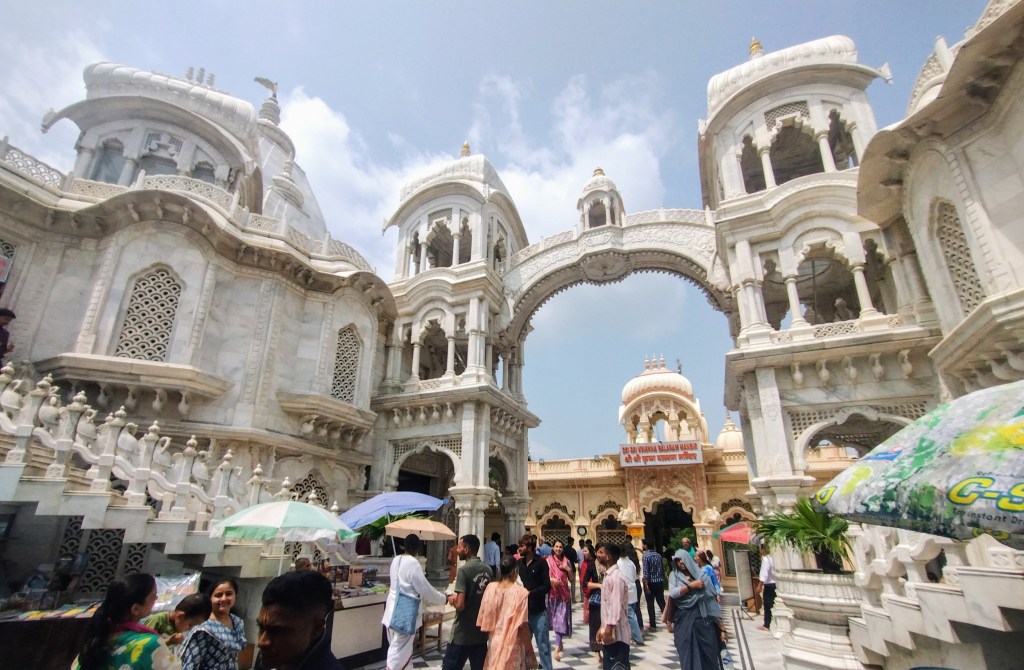
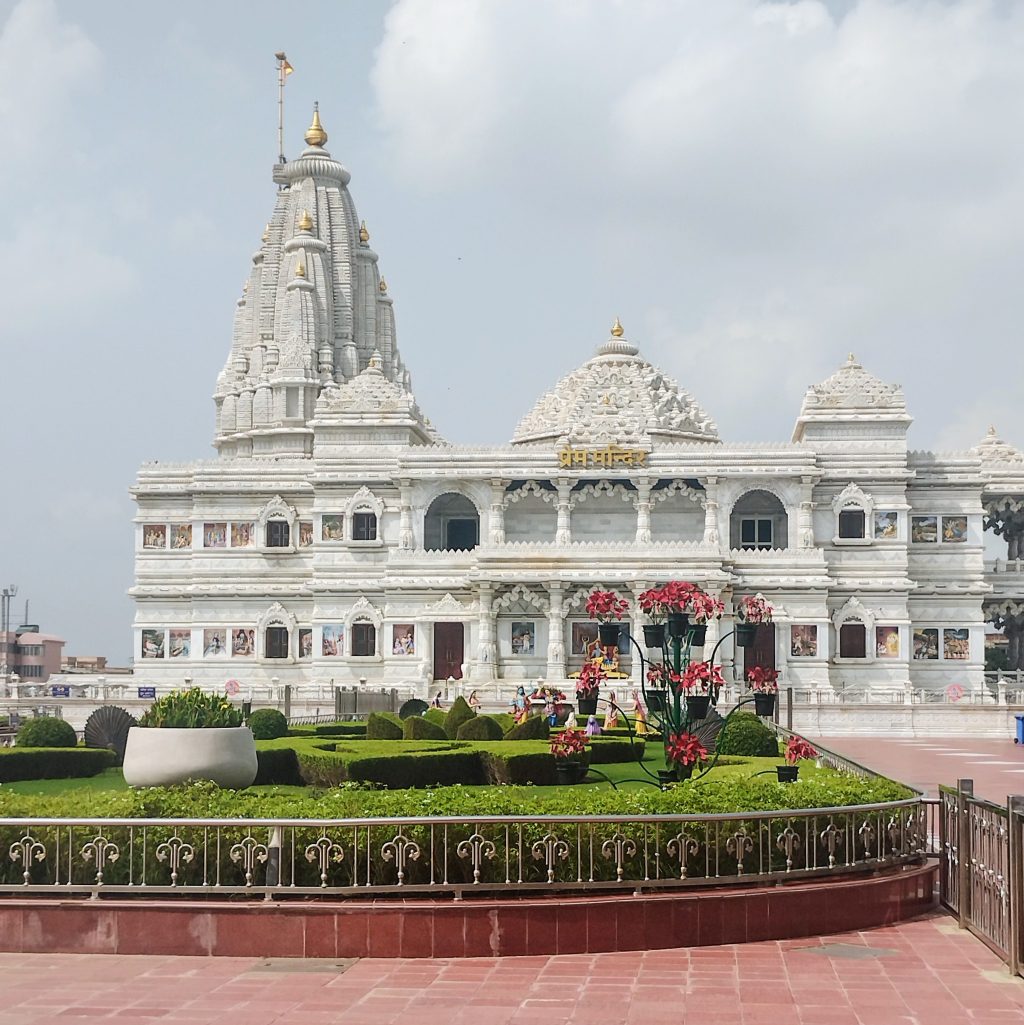
However, if you arrive at Vrindavan between 11-11:30 am, I suggest starting with Prem Mandir, followed by Iskcon Temple, saving Banke Bihari Temple for the evening darshan. Sometimes, local authorities may implement road diversions, but e-rickshaws to the temples are readily available at a nominal cost. For lunch, Vrindavan offers a wider range of vegetarian restaurant options compared to Mathura, a 30-minute drive away.
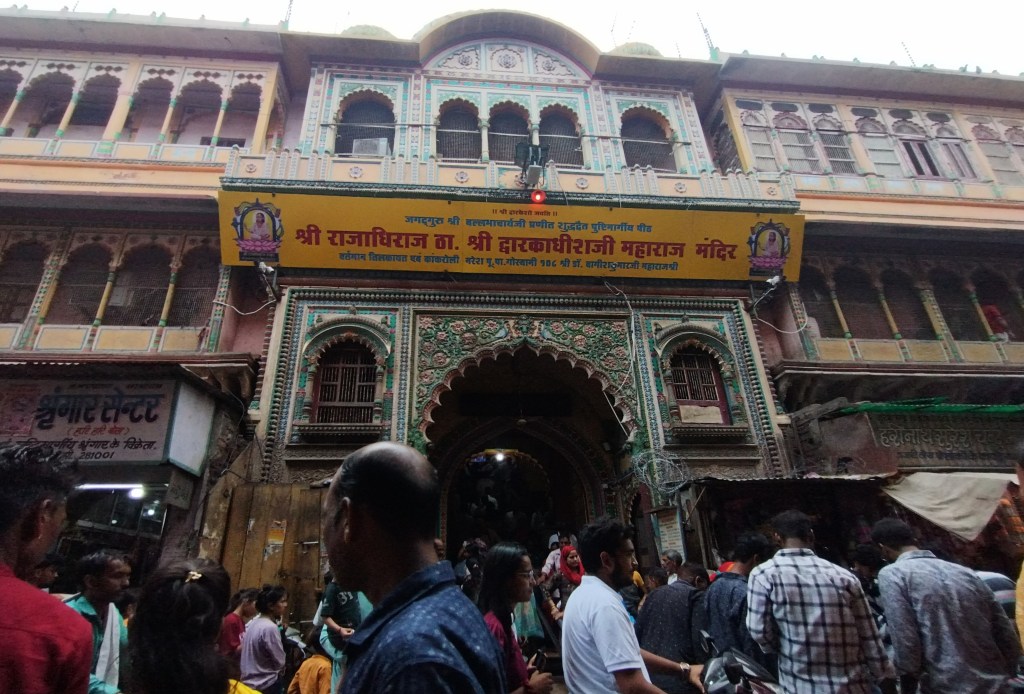
Mathura’s highlights include the Dwarkadhish temple, Vishram Ghat and Shri Krishna Janmasthan temple. Too much unruly crowd at the Dwarkadhish temple premises made its experience chaotic. The Kans Qila of Mathura is in a dilapidated state and did not spark much interest. It is important to keep a note of the darshan timings of the temples in Mathura and Vrindavan dham while planning your itinerary. Car parking can be tricky in Mathura’s narrow, congested lanes and beware of mischievous monkeys in both the holy towns, which are notorious for snatching food or belongings.
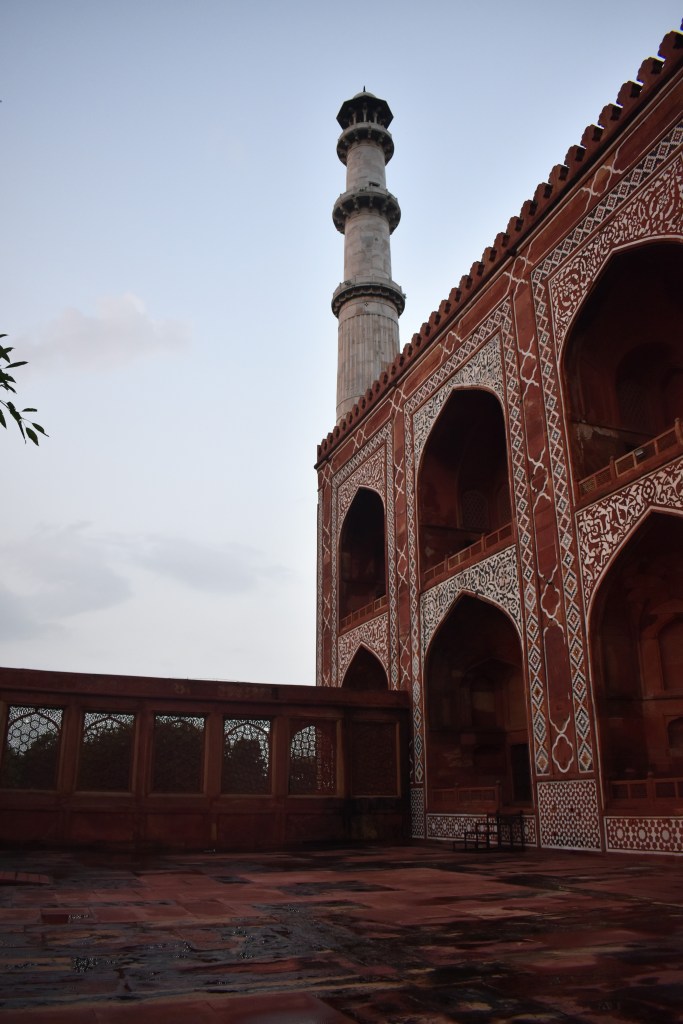
The streets of Mathura and Vrindavan are lined with shops selling beautiful dresses for the idols of Gopal and Radha-krishna. Their intricate designs were eye-catching and I couldn’t resist picking up a few. After some quick shopping, we continued our journey to Agra in the evening, stopping briefly at Sikandra Fort for photos. Surprisingly, it was still open to visitors at 5:50 pm. To avoid queue at the counters, one can always pre-book their entry ticket from ASI website (https://asi.paygov.org.in).
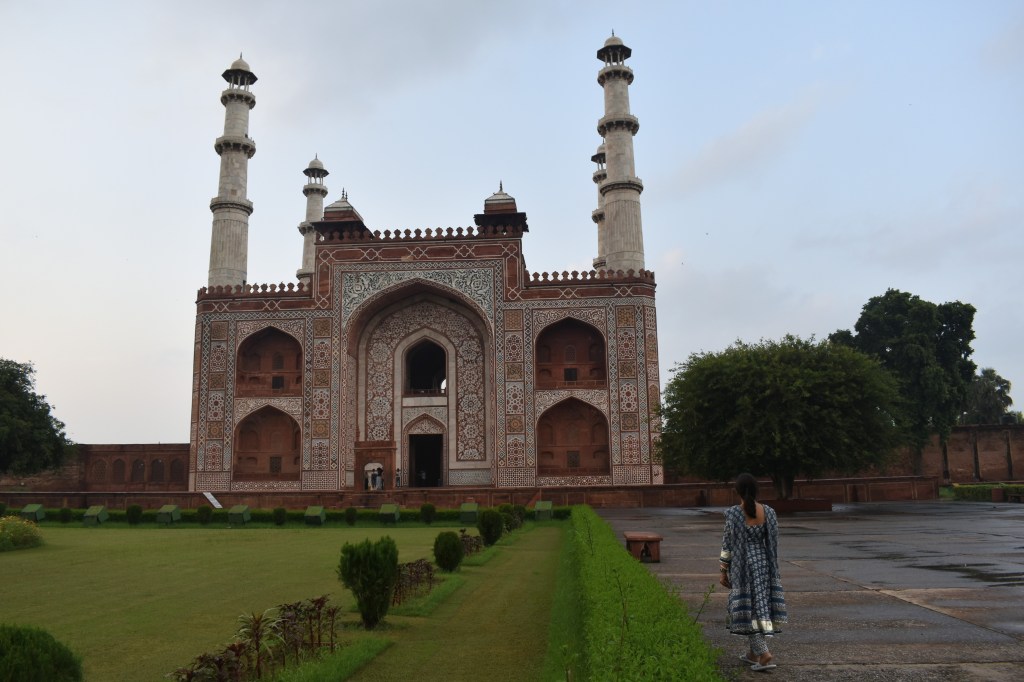
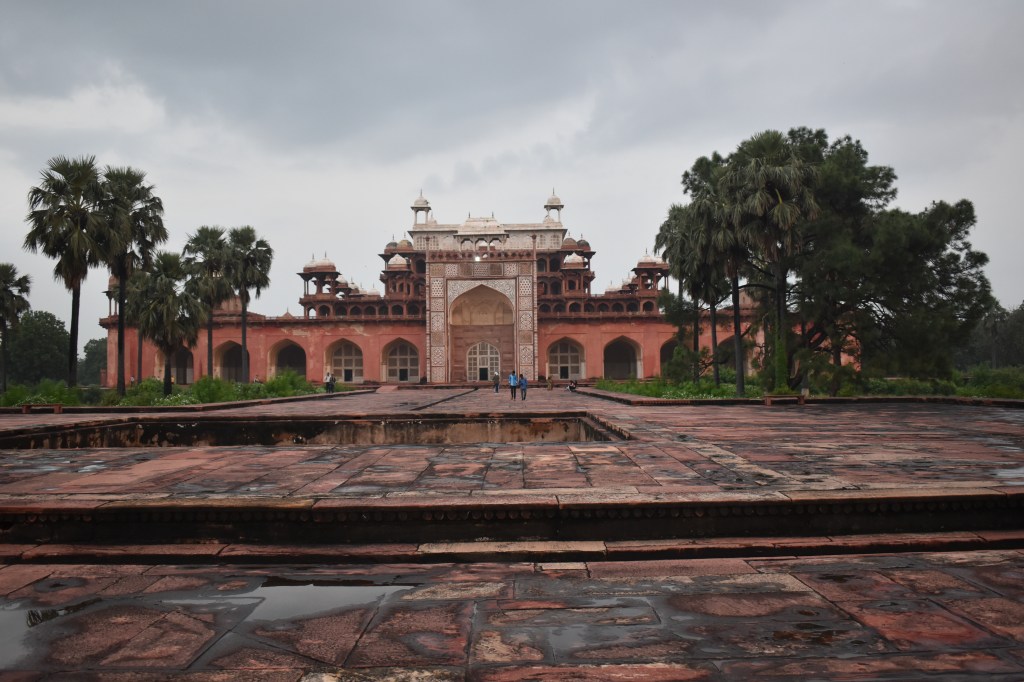
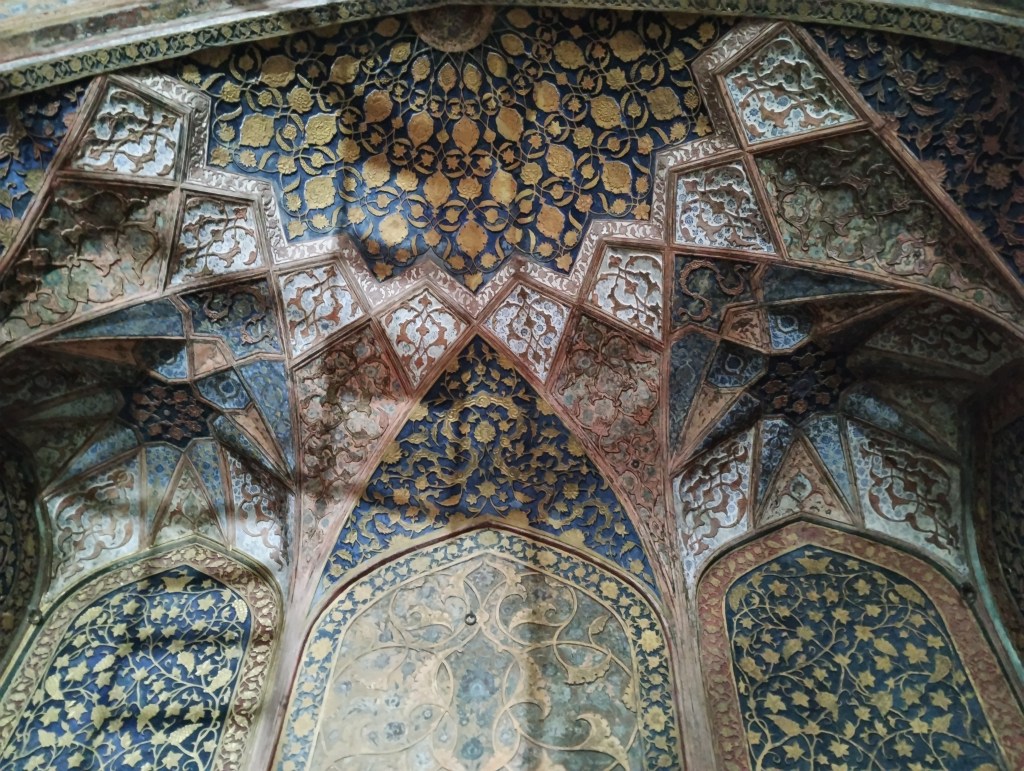
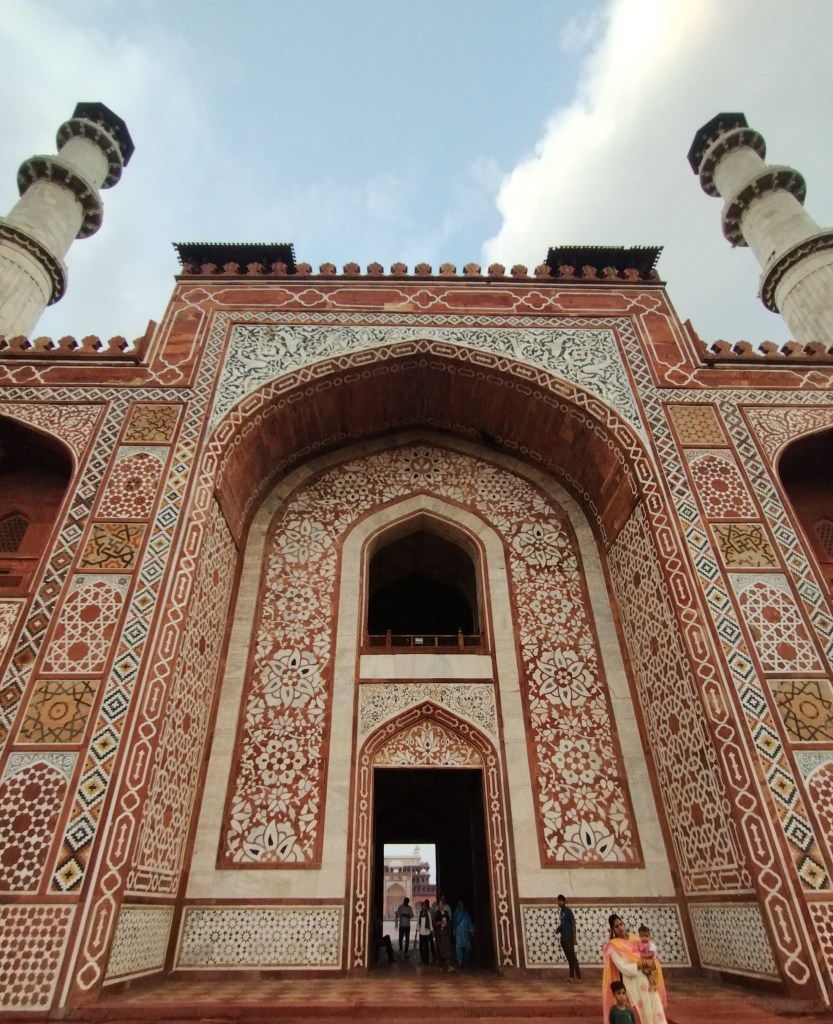
Akbar’s tomb in Sikandra stands as a magnificent blend of Mughal and Rajput architecture. The mausoleum appears like a tiered wedding cake. Construction began under Akbar’s reign, using predominantly red sandstone, while his son Jehangir later added elegant touches of white marble. Like many Mughal monuments, this mausoleum is set within a sprawling garden. It had rained on that day. Wet grounds, peacocks and peahens calling from surrounding, the fort’s tranquil setting and with fewer visitors around, the scene at dusk felt both serene and dramatic.
Agra
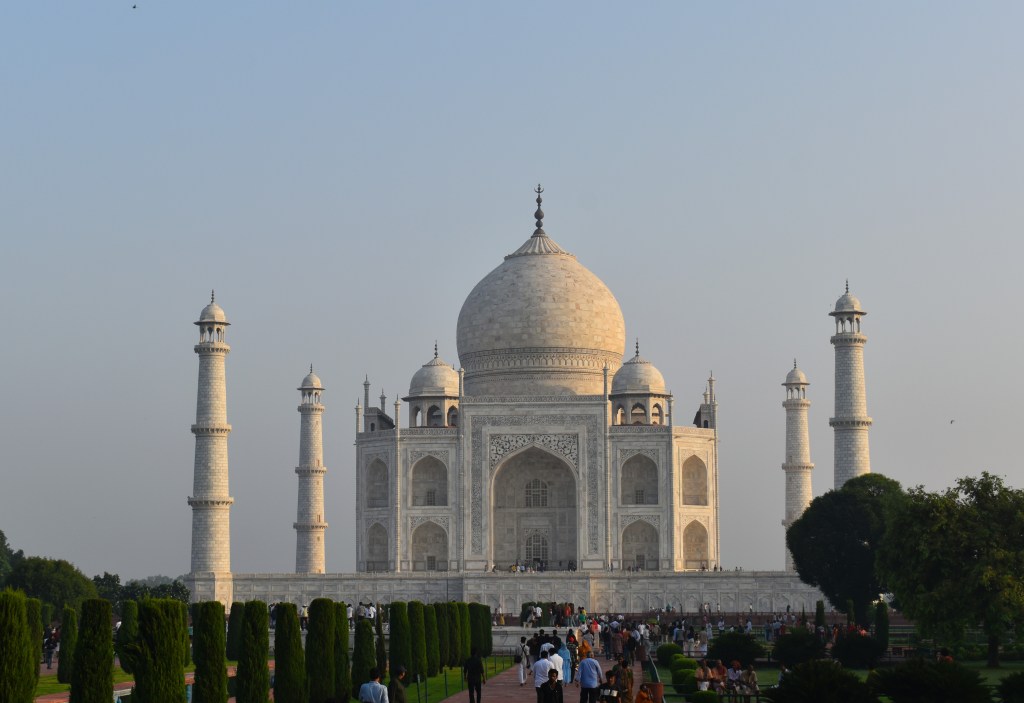
The next morning in Agra greeted us with clear skies, perfect for a visit to the Taj Mahal at sunrise. We stayed at a homestay within walking distance from the West Gate of Taj Mahal. Even at 6:30 am, the site was heavily crowded. Walking through the imposing red sandstone gateway, I was immediately captivated by the grandeur of this wonder of the world. The flawless white marble structure gleaming in the morning light, left me in awe. Standing proudly by the Yamuna River with all its glory, the Taj Mahal is truly an epitome of love and Mughal craftsmanship. We spent over 90 minutes exploring the complex, including the richly decorated mausoleum. The intricate inlay work on the cenotaphs of Shah Jahan and Mumtaz Mahal, combined with the graceful Persian calligraphy, floral motifs embedded with precious stones, and perforated jaali design, are a marvel of Mughal craftsmanship. Indeed, the crown of Agra. Entry to the Mausoleum requires an additional ticket, which can be bought either online or at the counters inside the Taj Mahal complex.
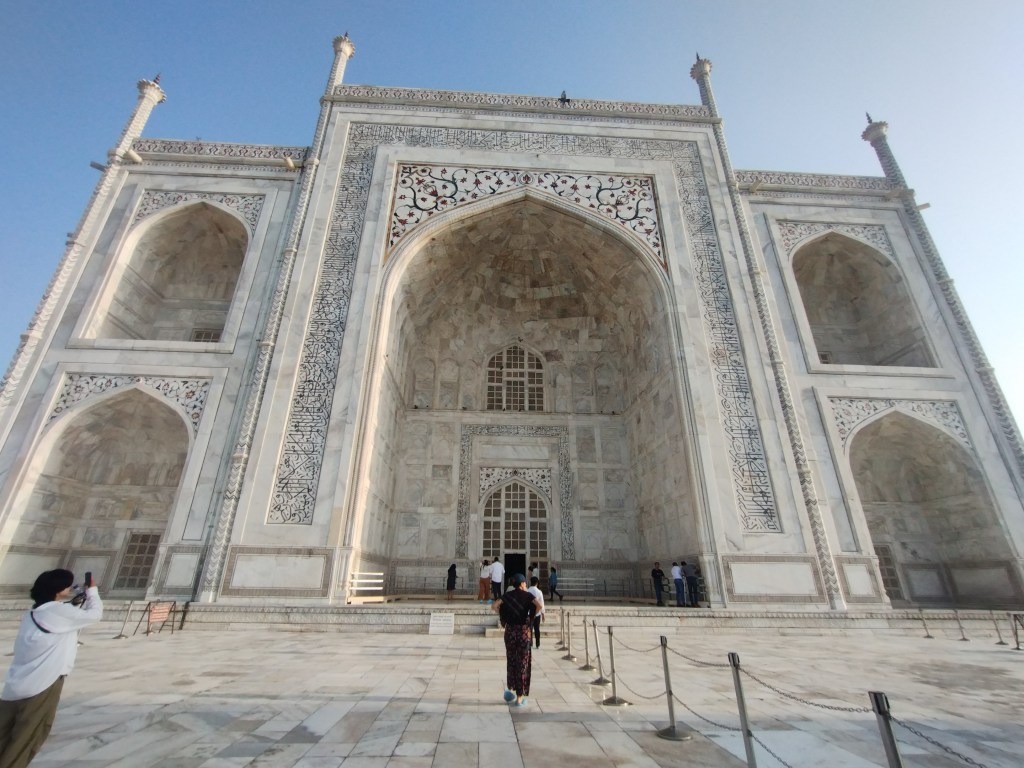
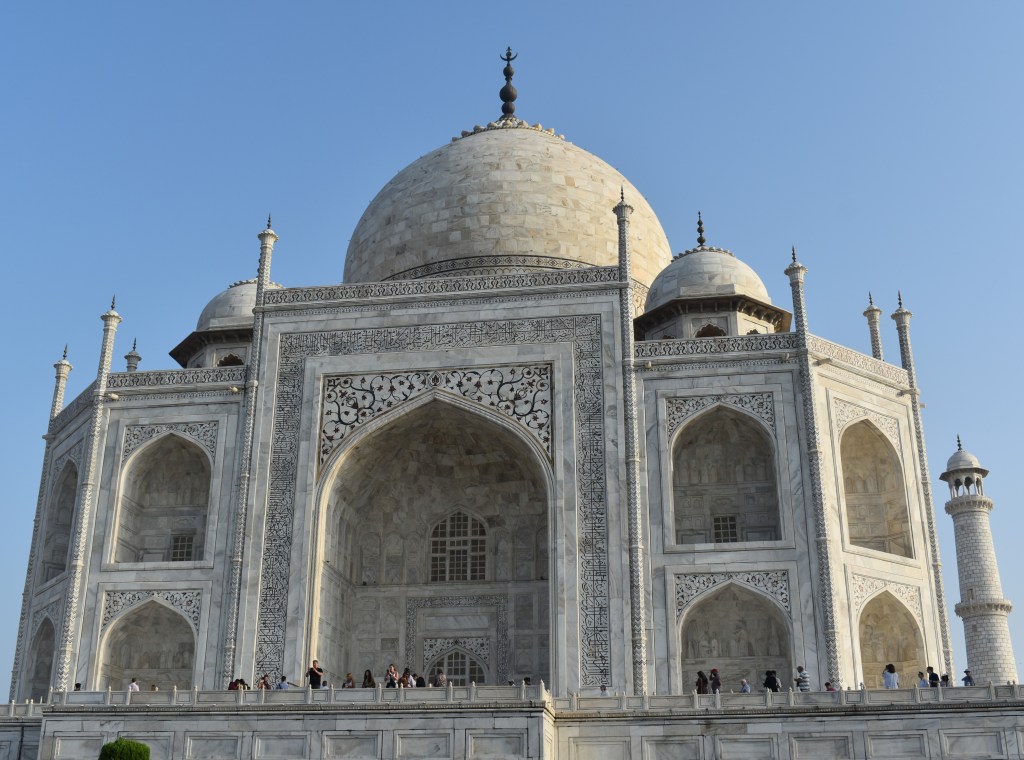
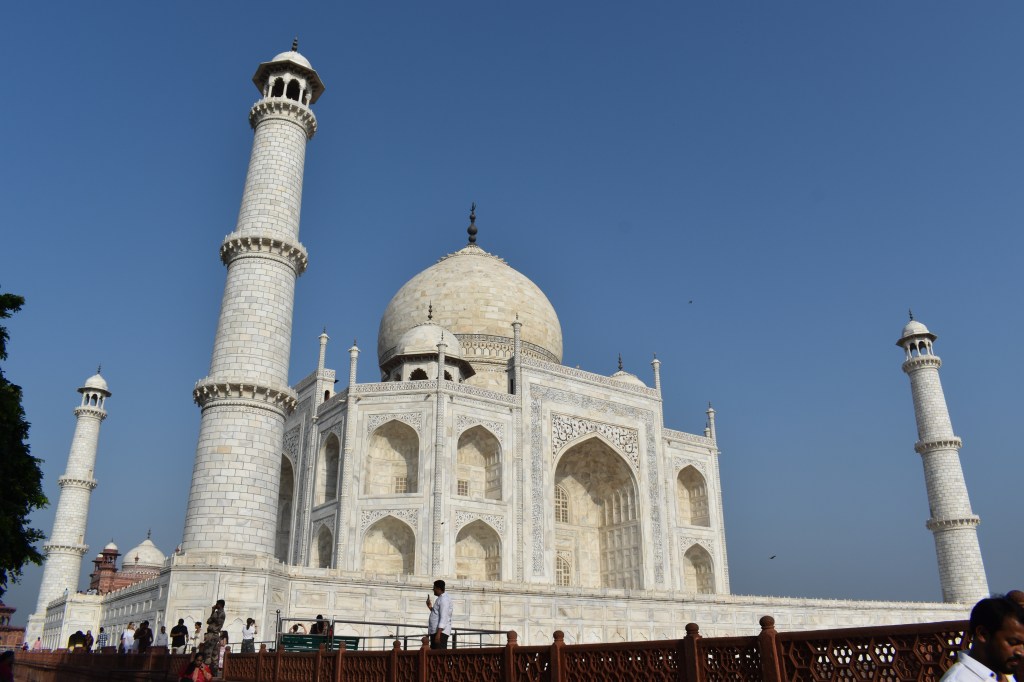
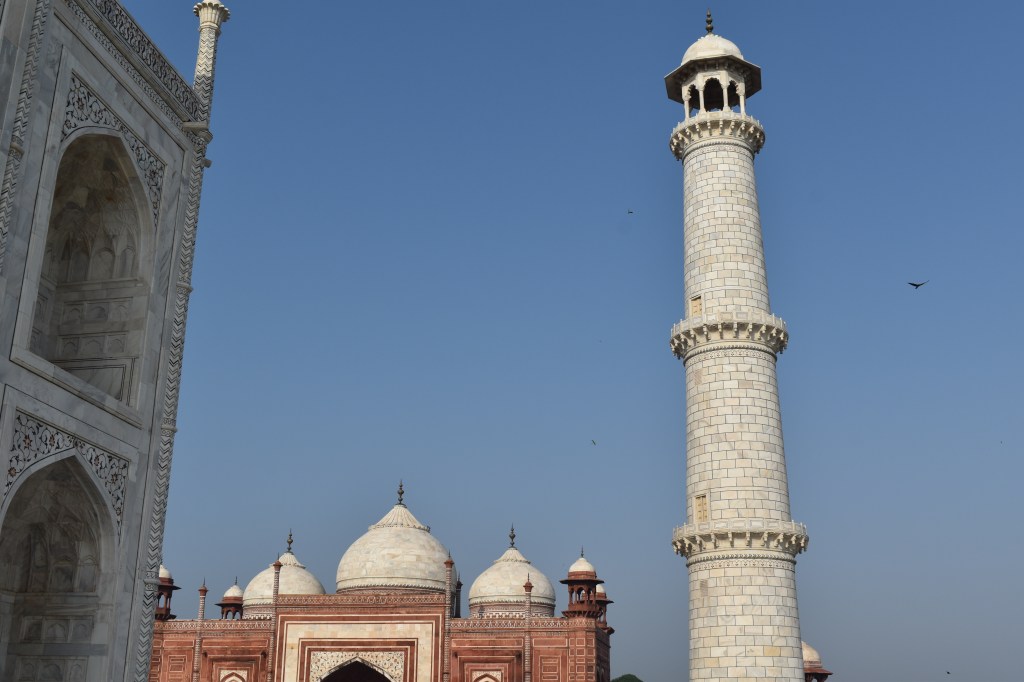
The timeless beauty of the Taj Mahal from every angle—an eternal symbol of love and architectural perfection.
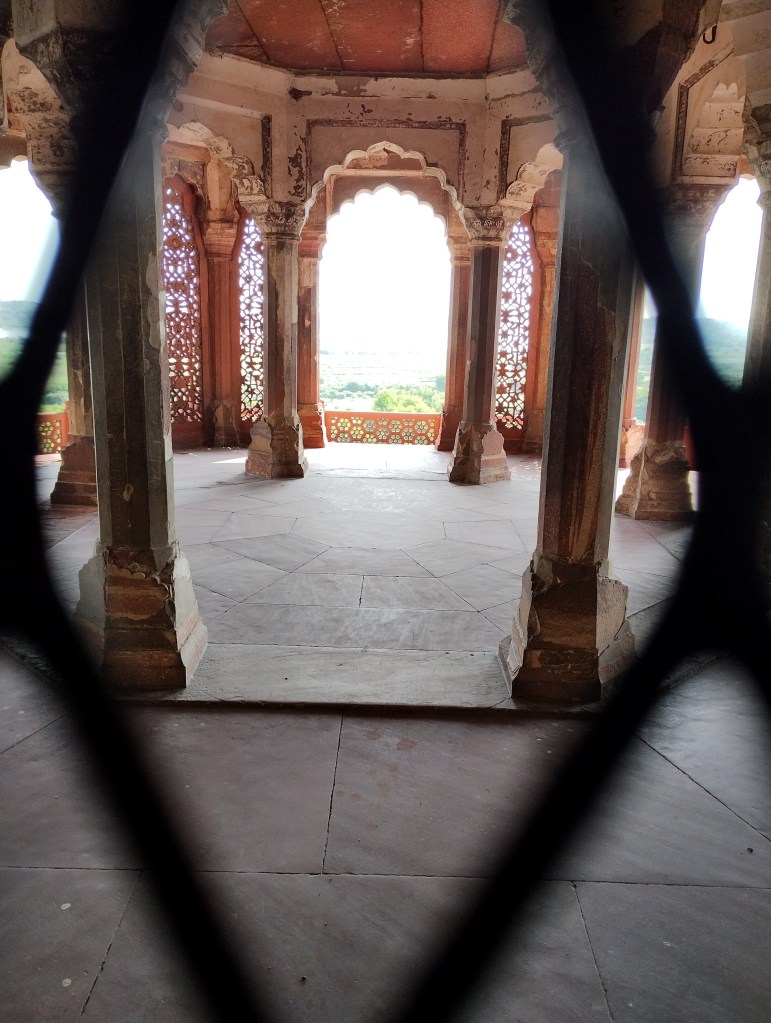
Next up was Red Fort of Agra, a major seat of power for the Delhi Sultanate and Mughal rulers. Originally built with small sized bricks, this fort has been periodically renovated and expanded by Akbar and Shah Jahan in their signature styles. The present majestic structure exemplifies Mughal grandeur. Greater portion of Agra Fort is used by Indian army. Hence, tourist enter through the Amar Singh Gate and can tour a limited area, definitely covering the major attractions. The view of the Taj Mahal across the Yamuna river through the Jharokhas of the fort is worth remembering. Another notable feature of this fort is the use of Bengali and Gujarati architectural elements in Akbar and Jahangir’s palaces. Be sure to admire the captivating colorful stone inlay work of Khas Mahal, Musamman Burj, and Shish Mahal—masterpieces introduced by Shah Jahan.


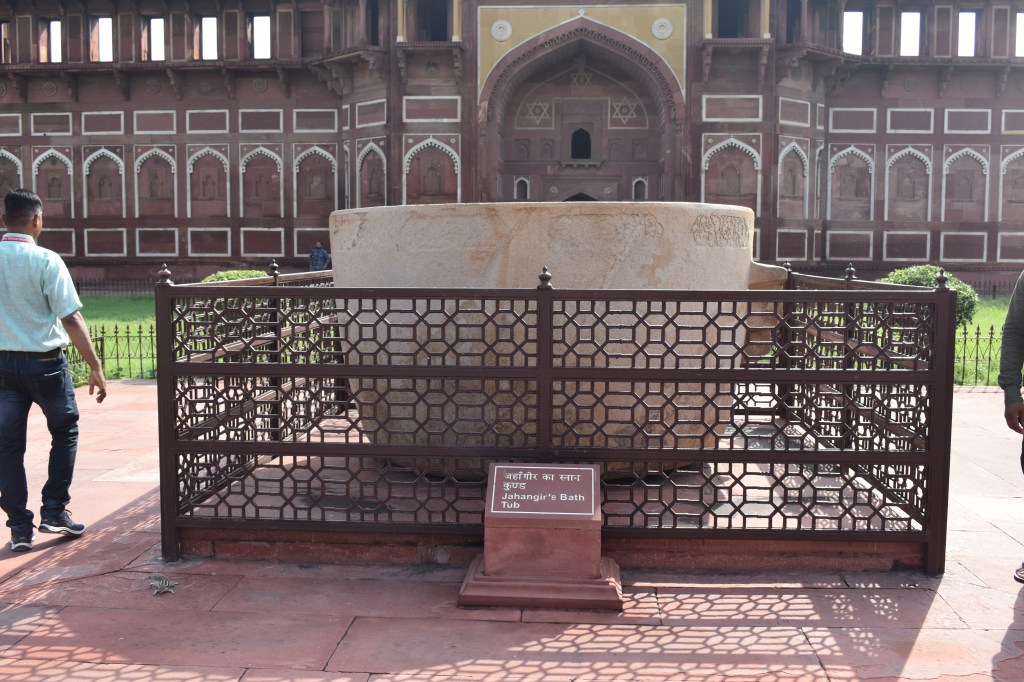
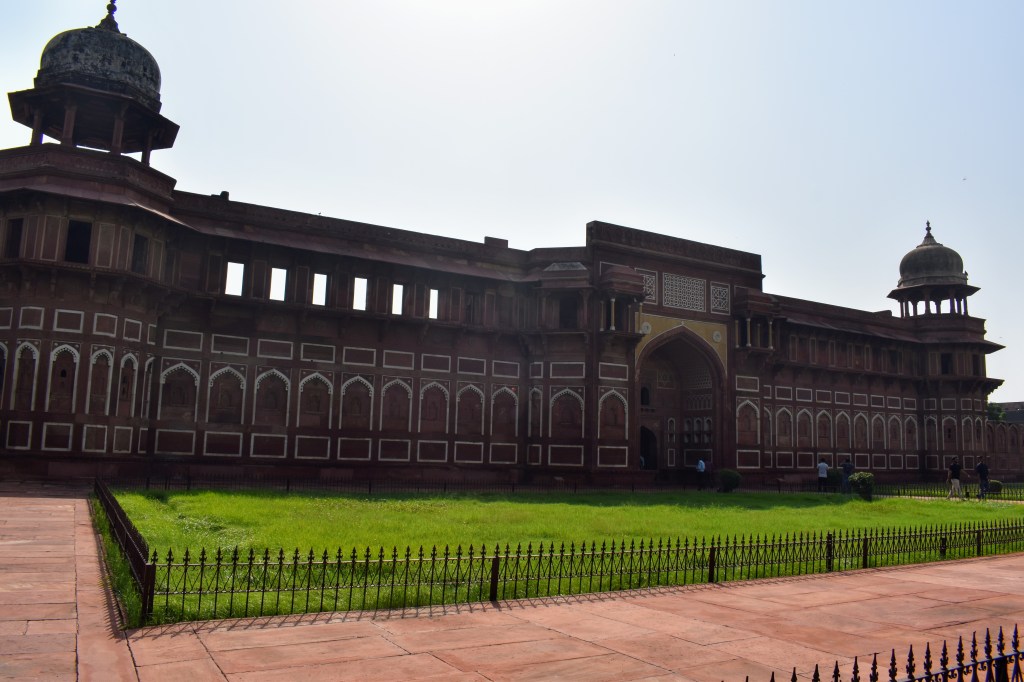
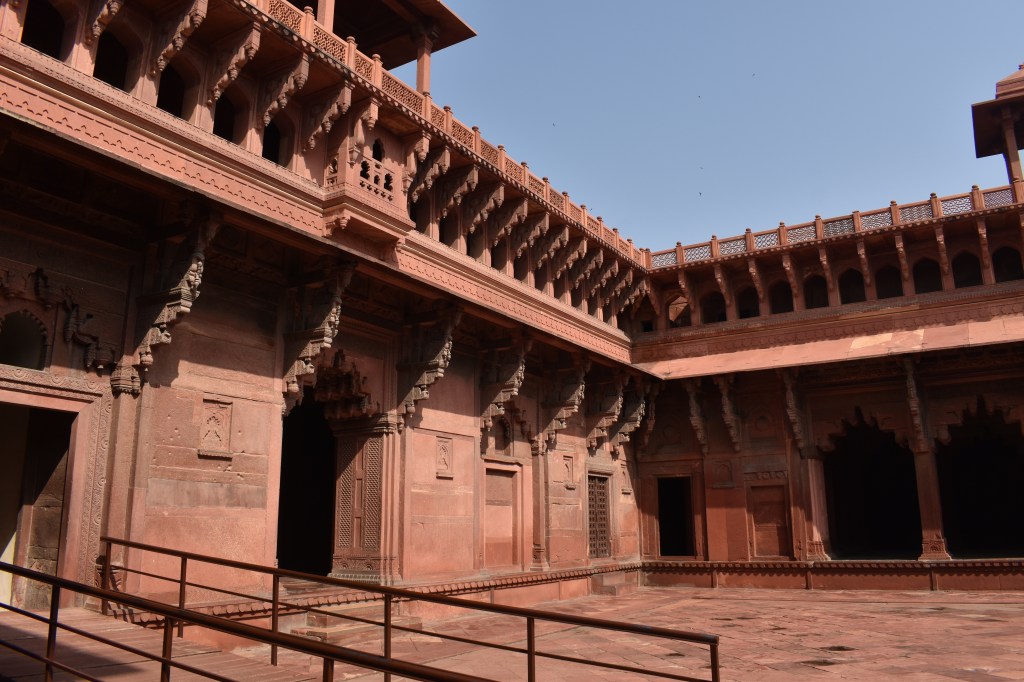

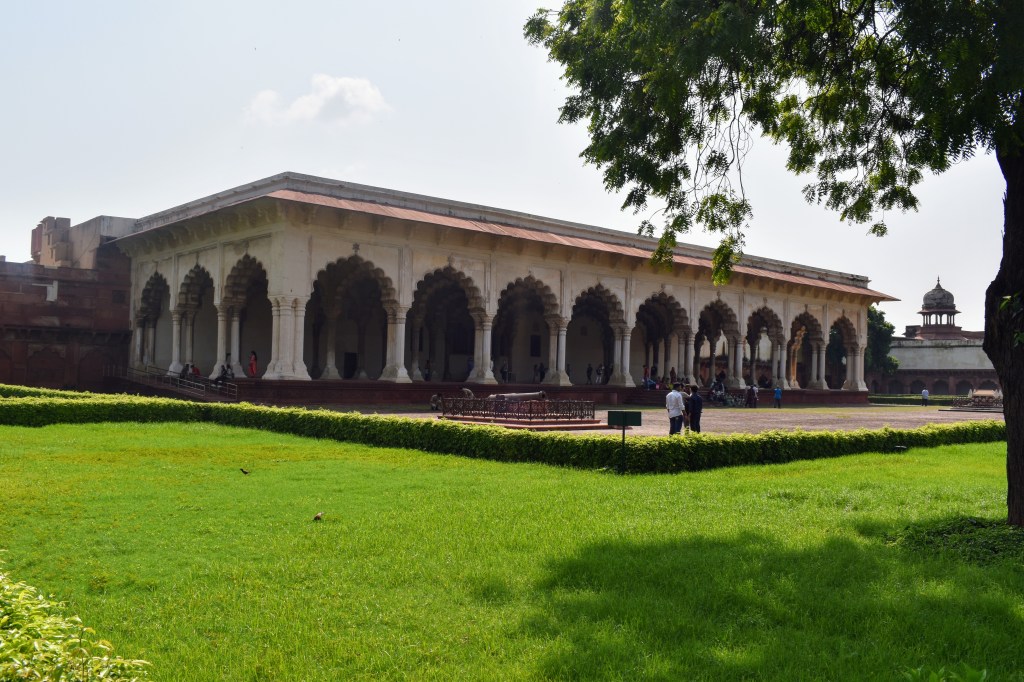
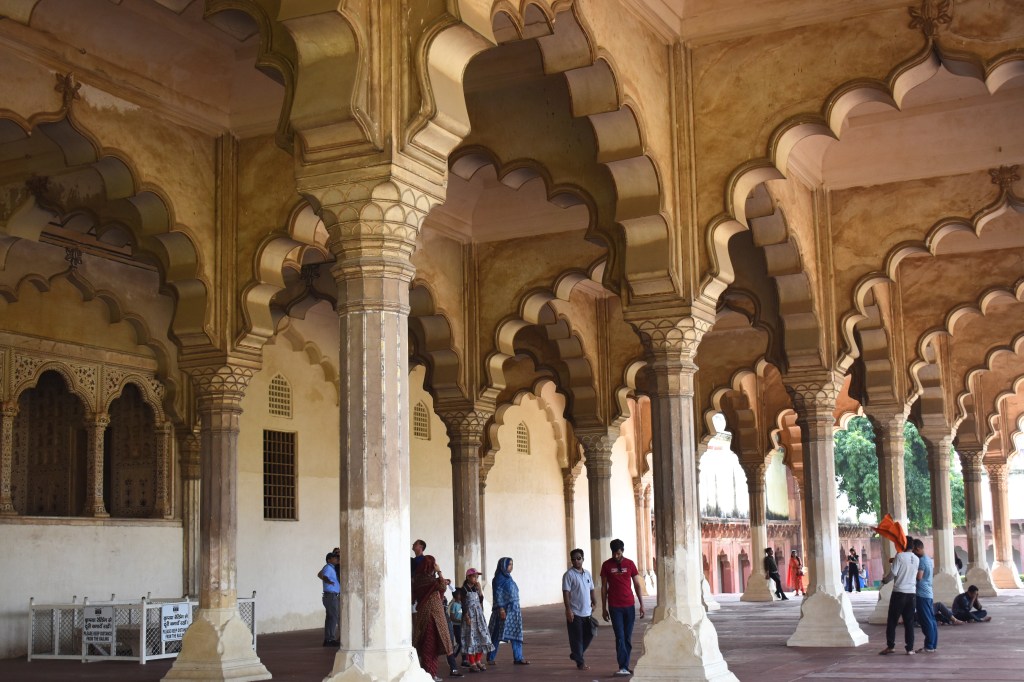

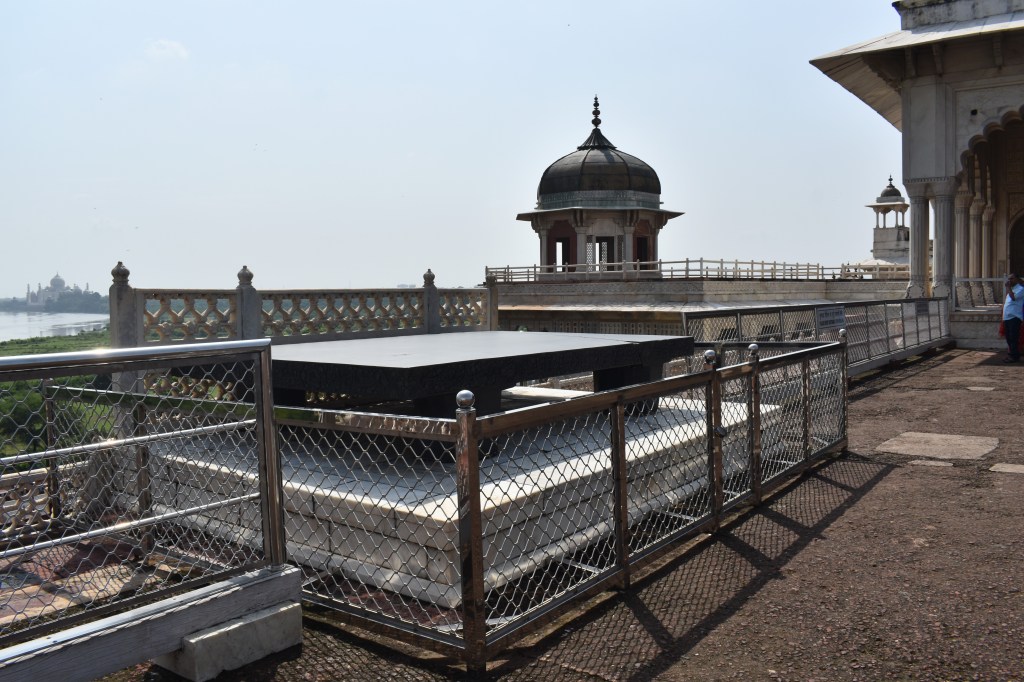


Exploring the grandeur of Agra Fort from every corner: A symbol of Mughal might and elegance. (1. The mighty Red Fort of Agra; 2. A part at the entrance to the fort; 3. Jahangir’s Bath Tub; 4. Jahangiri Mahal; 5. Bengali style of Architectural inside the Akbari Palace; 6. Shah Burj or Musamman Burj showcasing Pietra dura inlay work; 7. Diwan-i-Aam; 8. Interior of Diwan-i-Aam; 9. The Emperor’s seat in Diwan-i-Aam; 10. Jahangir’s Throne; 11. View of Taj Mahal from the Fort; 12. Jharokha; 13. Ghaznin Gate)
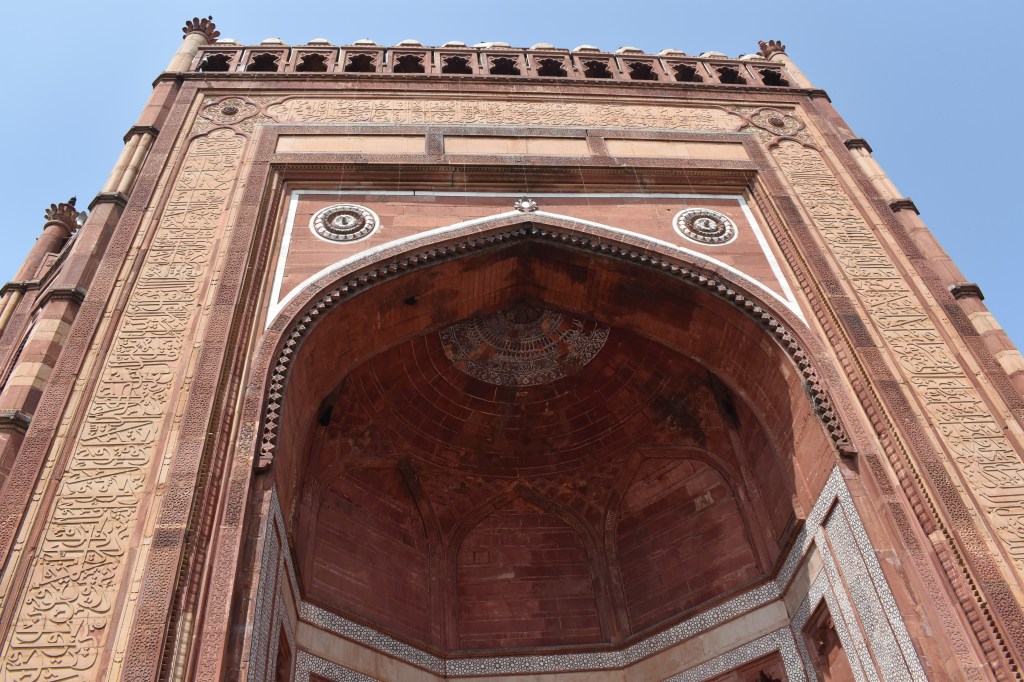
After exploring for about an hour, we moved on to Fatehpur Sikri fort. Fatehpur Sikri, situated about 36 kilometres from Agra, remained the capital of the Mughal Empire for a short period during the reign of Akbar. This fortified town houses the Buland Darwaza (the highest gateway of the world, built by Akbar), the imperial palace complex, tomb of Sufi saint Sheikh Salim Chisti, the grand Jami Masjid and Birbal’s residence. Fatehpur Sikri fort is presumably the best example of amalgamation of Hindu and Persian architecture. This place bears an exceptional testimony to Mughal town planning.


Please note that the Mughal buildings in Fatehpur Sikri are scattered, with separate entrances for the fort and the mosque. I recommend entering the fort through the Agra Gate, which leads uphill through the Naubat Khana into the Diwan-i-Am. After exploring the palaces, you can exit through a gate leading to the Jama Masjid, allowing you to bypass the steep climb up to the Buland Darwaza, which serves as another entrance to the mosque. Golf carts are available from the main parking area to the fort for added convenience. Keep in mind that you must enter the mosque barefoot, but I found the shoe stands outside to be less secure.

Make sure to carry a valid identity document, especially for visiting the Taj Mahal. Throughout these sites, you’ll come across many individuals offering their services as tour guides, often persistently. While their fees are negotiable, I didn’t find it necessary to hire a guide, thanks to my knowledge in medieval history. However, if you prefer guidance, authorized guides are available and can provide an engaging, if not entirely accurate, experience. In Fatehpur Sikri, the pressure to hire unauthorized guides can be quite aggressive, with some even chasing your vehicle or trying to stop you. For those who enjoy a self-guided tour, the Archaeological Survey of India (ASI) has done a commendable job by providing detailed labels and descriptions at the monuments, which serve as reliable sources of information.
Jaipur
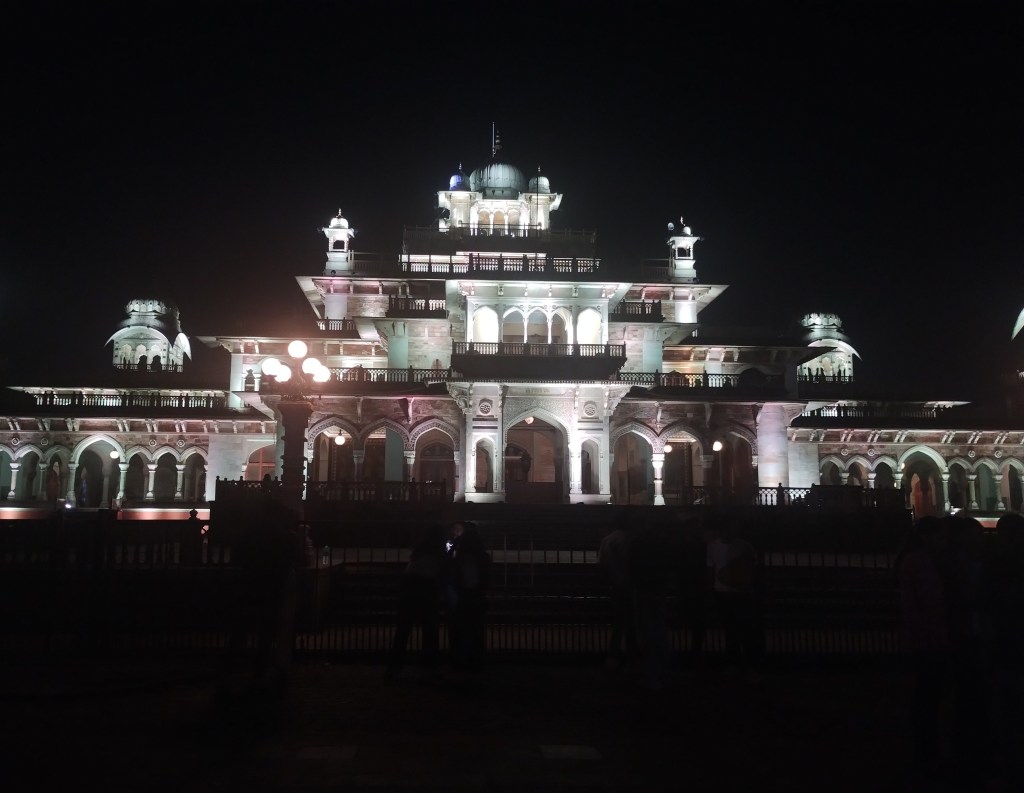
Our next destination was Jaipur city in Rajasthan. Heavy traffic extended our journey by an extra hour. Unfortunately, we missed entry to Jantar Mantar, and Isarlat sargasooli, but compensated with a night tour of the city. After checking-in to our hotel we begun exploring the splendor of Jaipur city. The entire city illuminates in pink hue. First we saw the dazzling Albert hall museum and the brilliantly lit Hawa Mahal demonstrating the high level of craftsmanship, followed by shopping at the local bazaar. We capped off the evening with a mouth-watering dinner at a local restaurant known for its Rajasthani cuisine.
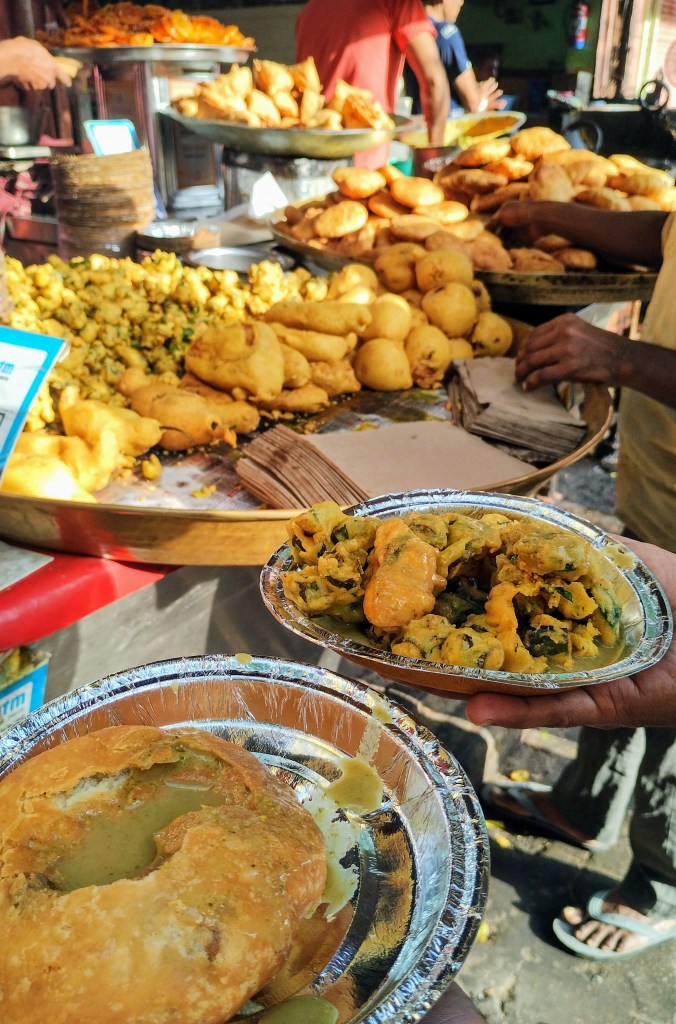
Our explorations of Rajasthani cuisine continued next morning when we sampled local breakfast favorites—mirchi pakoda and pyaaz kachori—before visiting the Hawa Mahal. With its 953 intricately carved lattice windows adorned with beautiful motifs, the Hawa Mahal, glowing in the golden morning light, is truly a delight to watch.

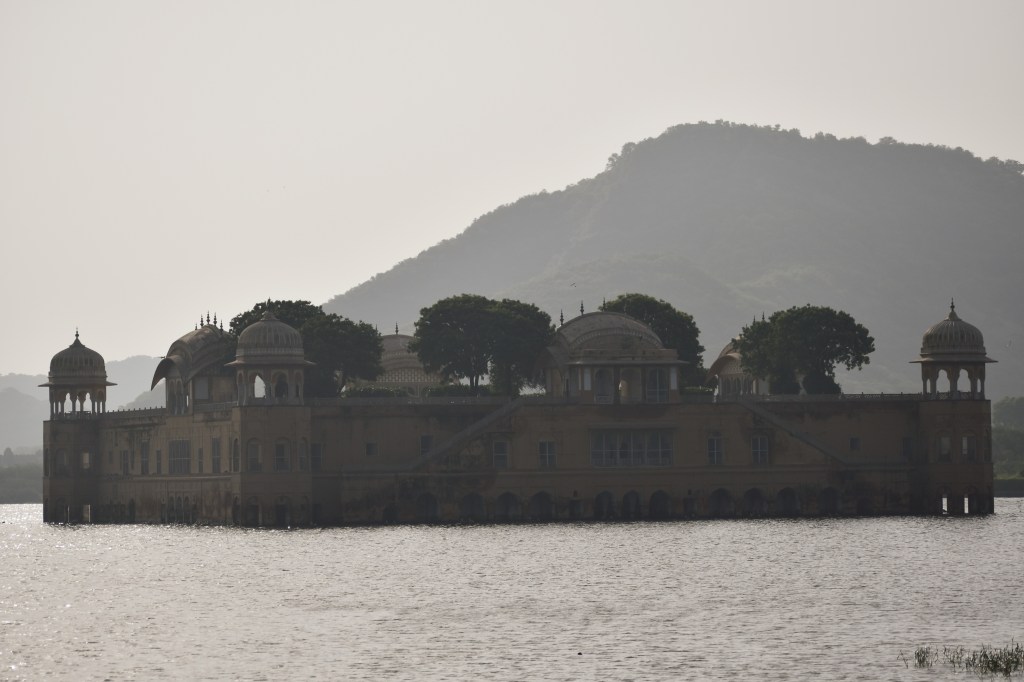
On our way to Amber (pronounced Amer) Fort, we made a stop at the Jal Mahal, located in the center of Man Sagar Lake. While the Jal Mahal’s setting is picturesque, it seemed to suffer from a lack of maintenance, and with entry to the palace now restricted, I found the morning visit to be less rewarding.

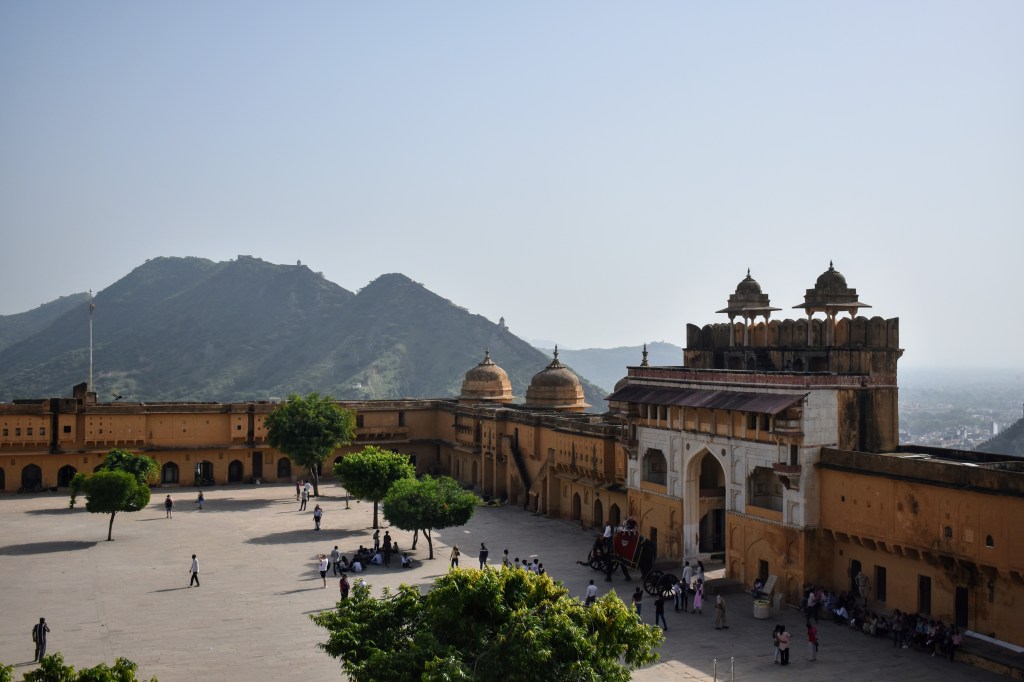
In contrast, Rajasthan’s forts are an absolute treat to the eyes. under the bright sun, the magnificent Amber Fort was a sight to behold. There are several parking options available—if you prefer to walk or take an elephant ride up to the fort, you can park near Maotha Lake, but for direct access to the fort entrance, another parking lot is available (just follow Google Maps). We opted for a guided tour, which allowed us to explore the entire fort in under an hour and a half. The architecture is a stunning blend of Rajput and Mughal styles, and the fort’s walls are designed to keep the interiors cool, making it a remarkable experience.
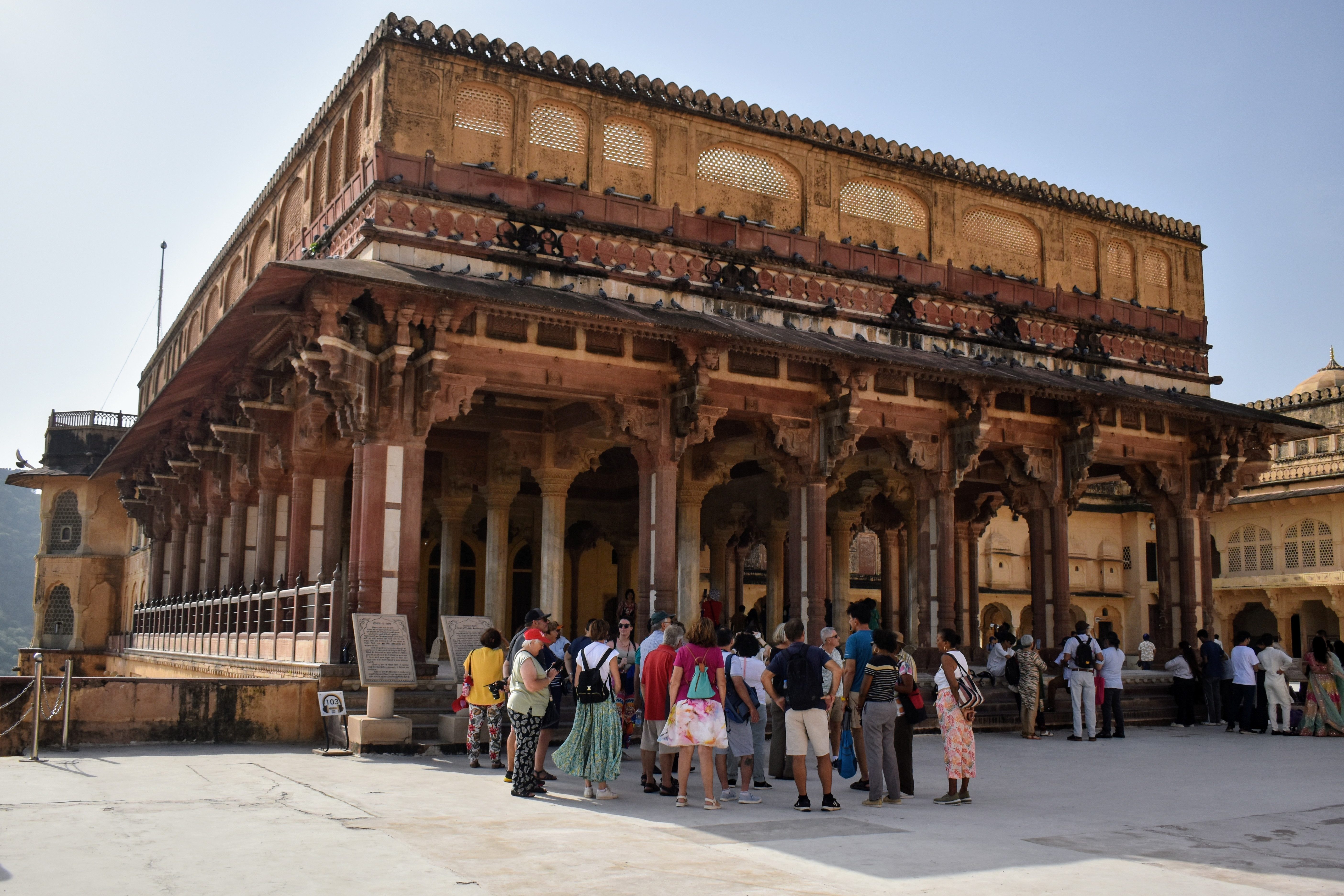
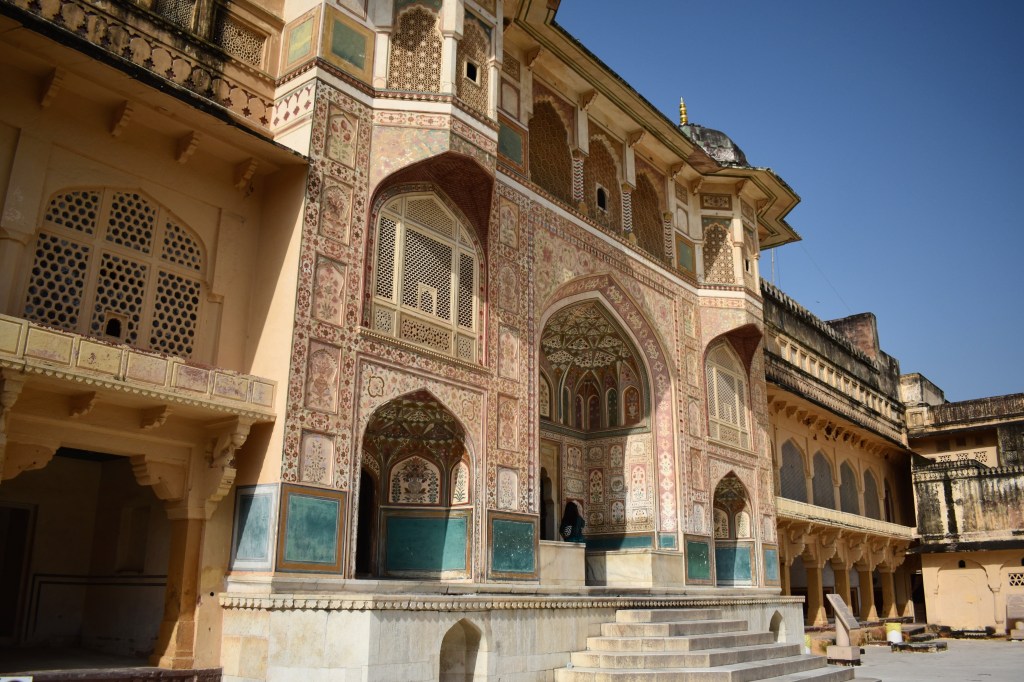
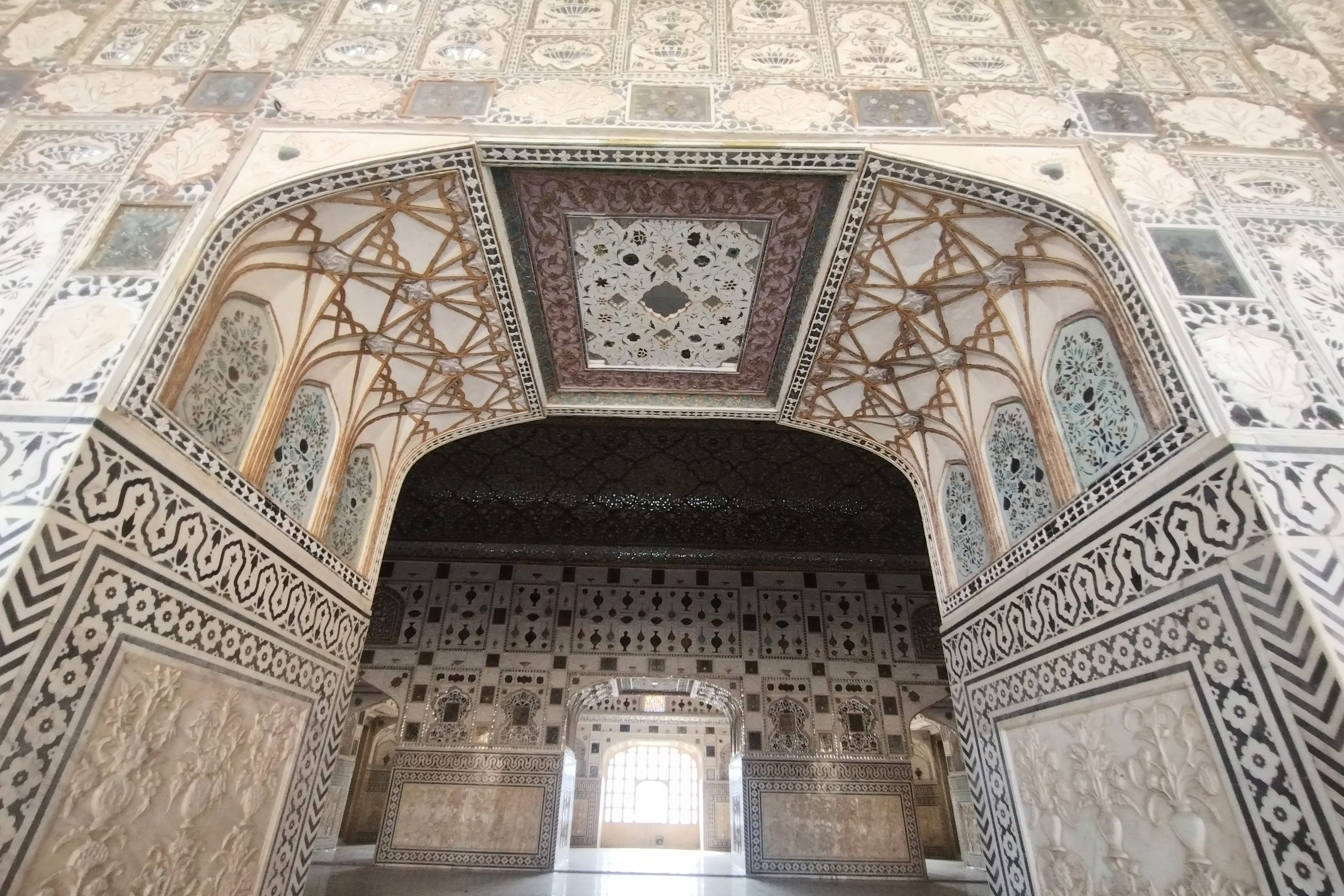

Sheesh Mahal: The Mirror Palace, where every surface gleams with thousands of mirrored tiles.
Then we continued to Nahargarh Fort, a scenic drive uphill Aravalli range, through a dense forest. The fort offers panoramic views of the pink city. Madhavendra Bhavan features 12 identical boudoirs for the Rajput queens and a suite for the king, all linked by stunning corridors with colorful murals and intricate patterns. It was fascinating to observe the interplay of colors and mirrors. The intricate display of vibrant patterns, crafted with remarkable fluidity, is a testament to the finesse of Hindu craftsmanship.
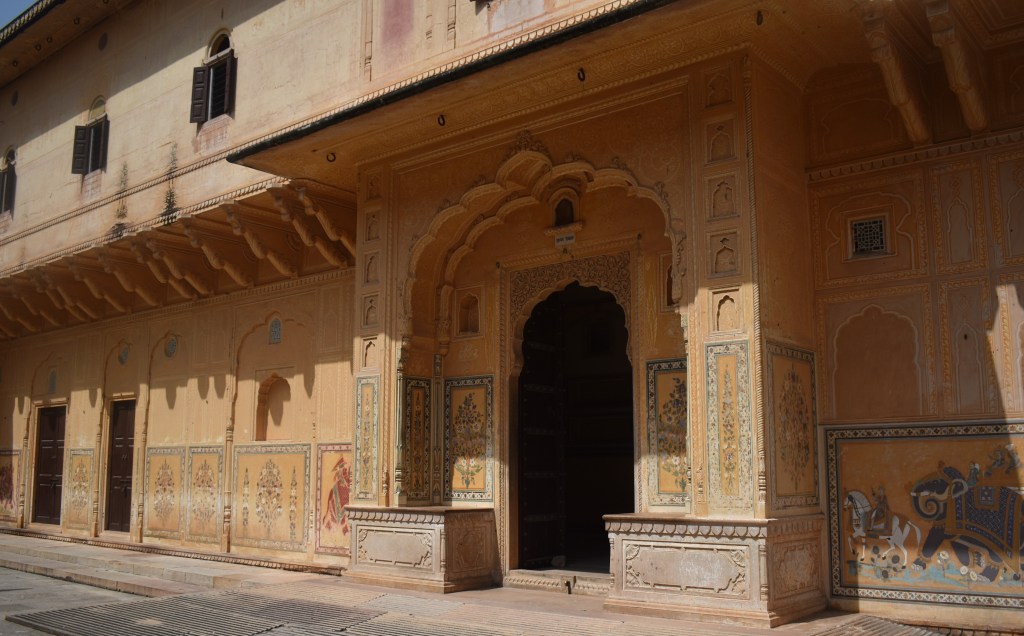
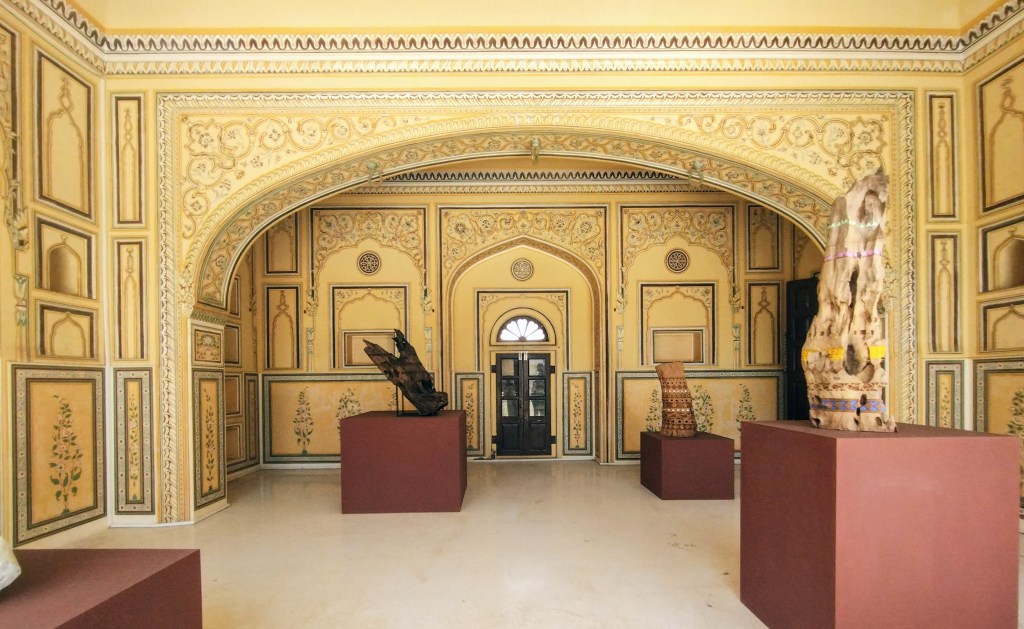
On the same route, with a small detour, you can visit Jaigarh Fort. However, due to time constraints we had to skip it.

For a seamless experience, you can pre-book composite tickets for Jaipur city tour (valid of 2 days) from the official website of Rajasthan Tourism (https://obms-tourist.rajasthan.gov.in/package-details/jaipur-darshan).
Tickets for City Palace, Jaigarh fort and some royal cenotaphs can be purchased from the website of City Palace (https://thecitypalacejaipur.com/book-ticket).
Special Ticket for Seesh Mahal in Nahargarh and the wax museum is available at counters present within the Nahargarh fort.
Itinerary
Here’s a brief itinerary spanning 5 days for your tour covering the most revered sites of Golden Triangle and including the abode of Lord Krishna.
A flight to Delhi, either the night before or early in the morning, is recommended.
Day 1: Delhi
Start with the highlights of Delhi: visit the historic Red Fort, Jama Masjid, and Raj Ghat. Continue with India Gate, Rashtrapati Bhavan, and Humayun’s Tomb. Later, explore Qutub Minar, Lotus Temple and Akshardham. If time allows, shop or dine in Connaught Place.
Day 2: Mathura-Vrindavan
Begin as early as possible and drive to Vrindavan. Explore the Banke Bihari Temple, Prem Mandir, and Iskcon Temple for an immersive spiritual experience. In Mathura, visit Krishna Janmabhoomi Temple, Dwarkadhish Temple, and Vishram Ghat. Overnight stay in Mathura or drive to Agra.
Day 3: Agra
Begin your day with the sunrise at the Taj Mahal. Head next to the majestic Agra Fort. You may also visit the exquisite Itimad-ud-Daulah’s Tomb (Baby Taj). Stop by a local market for petha and other local treats before visiting Mehtab Bagh for sunset views of the Taj. Overnight at Agra.
Day 4: Fatehpur Sikri and Jaipur
Start by 8 o’clock in the morning, drive towards Jaipur, stopping at Fatehpur Sikri to see the Fort, Buland Darwaza and Jama Masjid. Continue to Jaipur. After a quick lunch visit Jantar Mantar, Hawa Mahal and Albert Hall museum. If time permits, try visiting Sisodia Rani ka Bagh or Vidyadhar garden. In the evening, you may either visit Amber Palace for light and sound show or shop your heart out at the local markets. Don’t forget to take a photographic halt at Jal Mahal. Overnight in Jaipur.
Day 5: Jaipur
Explore the Amber Fort, where you can take an elephant or jeep ride to the top. Tour the Nahargarh Fort, Jaigarh Fort and City Palace. Stop to admire the Patrika Gate on your way to Jaipur Airport for departure.
** Reminder: The key to fully experience each site is to start as early as possible in the morning. By starting early you will manage time effectively and enjoy cooler temperatures.

Best time to Visit
The best time to visit India’s Golden Triangle, which includes Delhi, Agra, and Jaipur, is during the cooler months from October to March. During this period, the weather is pleasant, with daytime temperatures ranging between 10°C and 25°C, making it ideal for sightseeing and outdoor activities. The monsoon season (June to September) brings heavy rains and humidity. Summer months (April to June) can be scorching, with temperatures soaring above 40°C, making it uncomfortable for day trips. Therefore, the winter and early spring months offer the most enjoyable experience for travelers visiting the iconic attractions of the Golden Triangle.
What to Buy?
Shopping in Delhi, Vrindavan and Jaipur is a delightful experience with a wide range of traditional items to take home. In Vrindavan and Mathura dham, you’ll find beautifully adorned attires for idols of Radha-krishna, which are carefully crafted and available in a range of colorful, detailed designs and prices.
In Jaipur, Bapu Bazaar and Nehru Bazaar are ideal for buying vibrant Mojri shoes, lac bangles and handcrafted bags. to add a touch of local craftsmanship to your wardrobe buy elegant bandhni and leheriya sarees or dupattas and Jaipuri block print suits. Head to Chandpole Bazaar for exquisite blue pottery, and Johri Bazaar for beautiful jewelry.
What to Eat?
The Golden Triangle is a culinary delight, offering a range of mouth-watering dishes that reflect the rich heritage of each city. In Vrindavan, don’t miss the famous Pedha, a sweet treat often offered as prasad. Mathura is renowned for its irresistible rabdi and hot, crispy jalebi. Agra tempts with Petha and the savory goodness of chaat from Sadar Bazaar.
Moving to Rajasthan, the flavors intensify with authentic dishes like Dal Bati Churma, Gatte ki sabzi, and the spicy Laal Maas. Star your day with savory snacks like mirchi pakoda and pyaaz kachori and complete your meal with refreshing chaas. For a wholesome experience, try a scrumptious Rajasthani thali, which offers a perfect mix of all the state’s traditional delicacies and Ghevar.

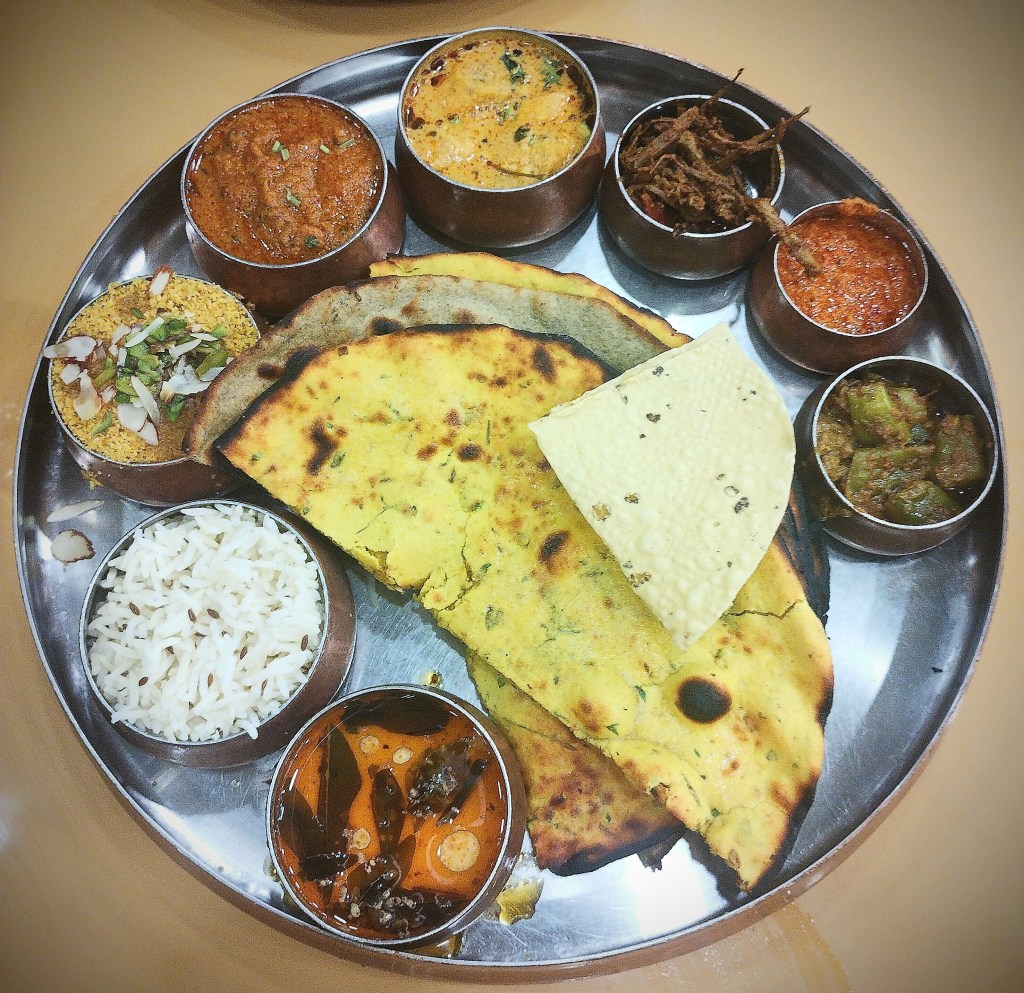
Refreshing chaas and a traditional Rajasthani thali—an authentic feast of rich flavors and vibrant spices.
Timings
Red Fort: Sunrise to Sunset
Jama Masjid: 7:00 am to Noon, and 1.30 pm to 6.30 pm
Raj Ghat: 6:00 am to 6:30 pm
Rashtrapati Bhavan: 9:30 am to 5:30 pm
Qutub complex: 7:00 am to 5:00 pm
Humayun’s Tomb: Sunrise to 7:30 pm
Lotus temple: 8:30 am to 5:00 pm
Akshardham temple: https://akshardham.com/visitor-info/
Iskcon temple: https://iskconvrindavan.com/home/temple-timings
Banke Bihari temple: https://www.bihariji.org/
Prem Mandir: 8:30 am to noon and 4:30 pm to 8:30 pm
Dwarkadhish temple: 6:30 am to 11:00 am; 4:00 pm to 7:30 pm (summer),
6:30 am to 11 am, and 3:30 pm to 6:30 pm (Winter)
Akbar’s Tomb, Sikandra: Sunrise to Sunset
Taj Mahal: Sunrise to Sunset (Friday closed)
Agra Fort: Sunrise to Sunset. Light and sound show after sunset
Fatehpur Sikri: Sunrise to Sunset
Hawa Mahal: 9:00 am to 4:30 pm
Jantar Mantar: 9:00 am to 4:30 pm
Albert Hall museum: 9:00 am to 5:00 pm, and 7:00 pm to 9:30 pm
City Palace museum: 10:00 am to 6:00 pm
Amber Fort: 8:00 am to 5:30 pm. Light and sound show 7:00 pm to 10:00 pm
Nahargarh fort: 10:00 am to 5:30 pm
Jaigarh fort: 9:00 am to 6:30 pm
Jal Mahal: Any time
Sisodia Rani ka Bagh: 9:00 am to 6:30 pm
A few words of APPRECIATION
Hats off to the Archeological survey of India for their exemplary upkeep of these heritage sites, and to the Government for ensuring that these treasures are preserved for the future generations.
Preserve the Past, Protect the Future
When visiting historic sites, it’s essential to respect the local cultures and traditions, as well as the beauty and significance of the landmarks themselves. Be mindful of waste, ensuring that you leave no trace behind. Refrain from defacing monuments or damaging their delicate carvings. Support the local artisans. By acting responsibly, we can preserve these treasures and their surrounding communities for future generations to enjoy.


 Ayantika Malakar
Leave a comment