
“The world is full of magic things, patiently waiting for our senses to grow sharper.” — W.B. Yeats
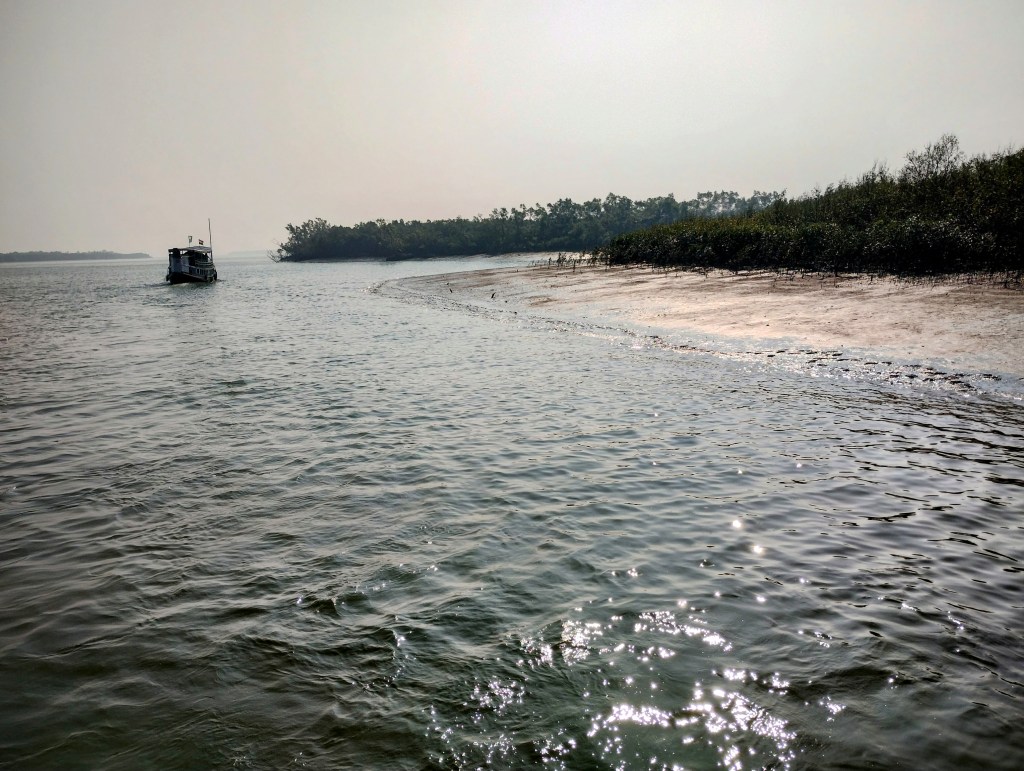
The boat cut through the still waters, leaving behind a trail of ripples that vanished as quickly as they appeared. The dense mangroves loomed on either side, their tangled roots clawing into the muddy banks like ancient fingers holding the land together. A mist hung low over the river, blurring the line between water and sky. Somewhere in the distance, a kingfisher sliced through the silence, its electric-blue wings flashing against the emerald canopy.. The Sundarbans—wild, untamed, and brimming with secrets.

Late December 2024, we set out to explore the mystical mangrove forests of the Sundarbans, a vast delta formed by the Ganga and Brahmaputra rivers as they merge into the Bay of Bengal. Recognized as the world’s largest halophytic mangrove forest and a UNESCO World Heritage Site, the Sundarbans are home to an incredible array of wildlife, including the elusive Royal Bengal Tiger, spotted deer, crocodiles, Gangetic dolphins, and various species of turtles and birds.
Eager for a raw and immersive experience, I chose to stay amidst the thick forests, longing to hear the symphony of crickets, the calls of exotic birds, and perhaps even catch a glimpse of the majestic tiger. We booked our stay in Jharkhali primarily because it is one of the few places in Sundarbans directly accessible by road. The more popular stays in Dobaki, Sojnekhali, and Gosaba required leaving your car behind at Godkhali and crossing the river by ferry.
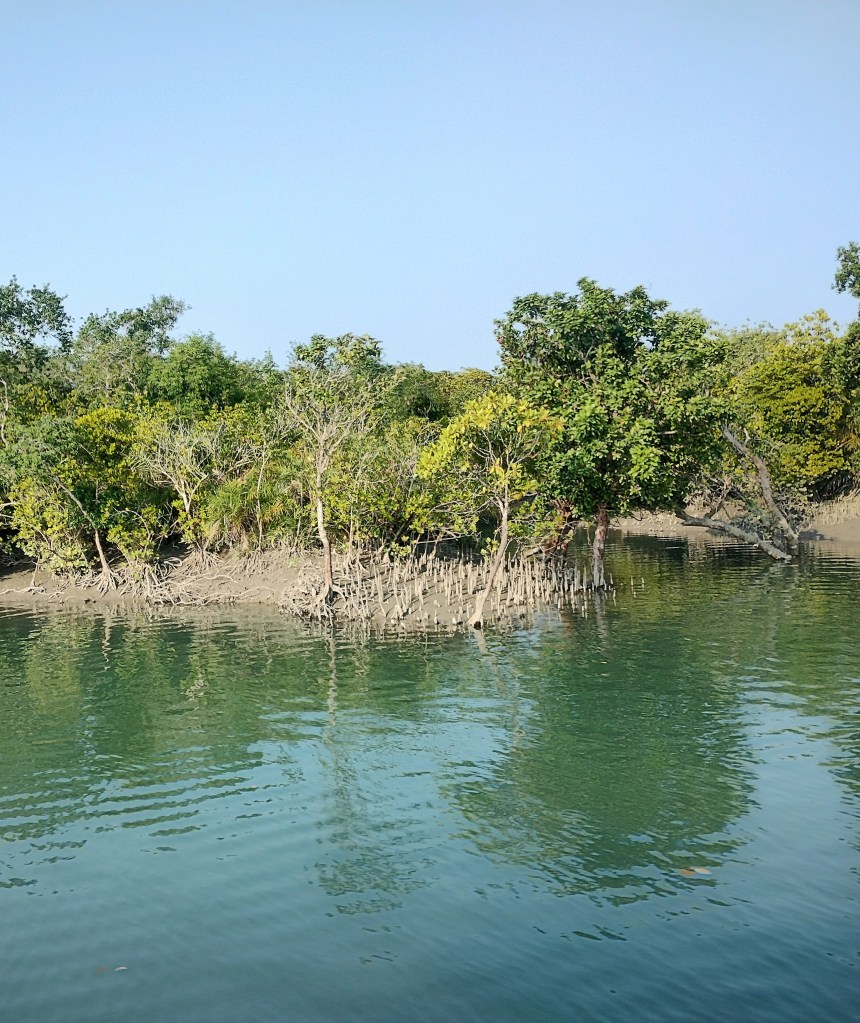
This isn’t my first visit. My previous visit to the Sundarbans in 2008 had been an unforgettable adventure—three days on a motorboat, surrounded by pristine wilderness, with deer, crocodiles, and birds appearing at every turn. Back then, the area was untouched by urbanization. The boarding and sightseeing points were truly rustic—barely any concrete roads. Nights spent on the boat were thrilling yet daunting, with the constant fear of dacoits or wild animals lurking in the shadows. The only sounds were the rustling leaves, distant chorus of crickets and the gentle lapping of water against the boat’s hull. There were no streetlights, no hotels, and certainly no blaring music. It was a kind of wild adventure that left you feeling humbled by nature’s power.
Now, after 16 years, the transformation was undeniable. What was once an isolated, tranquil paradise now felt more like a crowded picnic spot. Multi-storey hotels, bustling markets, honking vehicles, and blaring music had taken over the sacred silence of the forest. The roads that were once mere dirt paths are now paved, making access easier. The wildlife, once abundant, has now become elusive. The real threat to the wildlife wasn’t from poachers but from the encroaching human settlements.

Day 1: Exploring Jharkhali
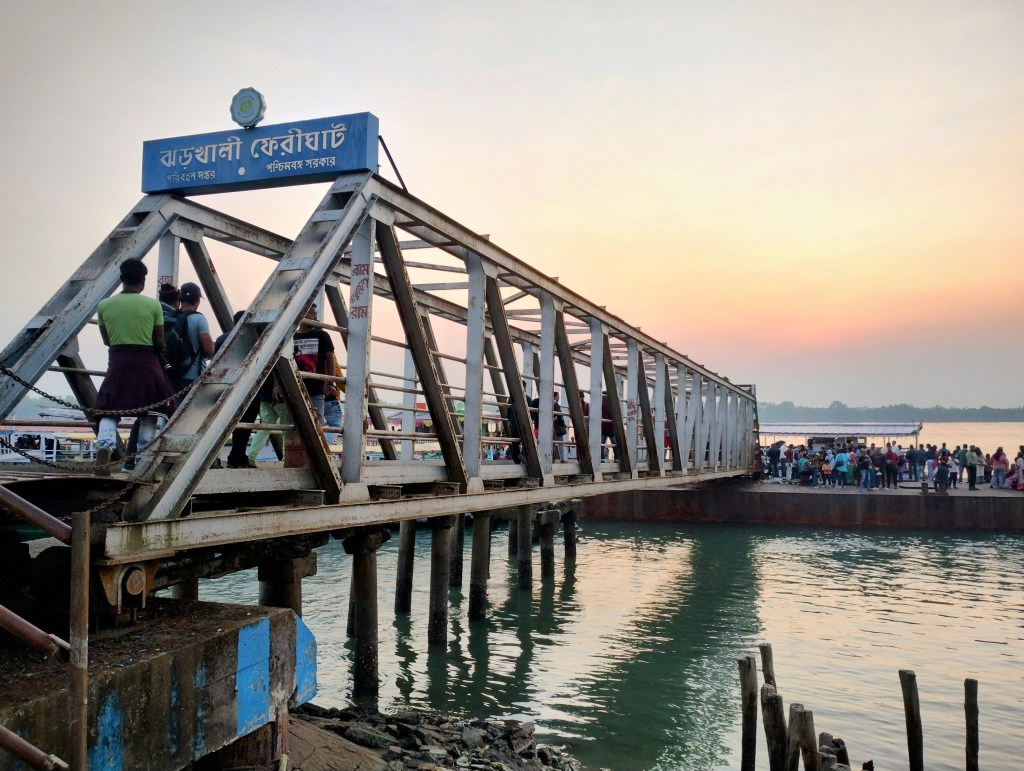
We reached Jharkhali in the afternoon and indulged in a delicious Bengali lunch thali featuring a local delicacy—Koi Bhol fish curry. Later, we went for a stroll, hoping to soak in the wild ambiance. But as we neared the ghat, we found more shops, hotels, and picnic spots than actual forest. The presence of mangrove trees was visible, but much of the land had been cleared for development.
One of the highlights of Jharkhali is its Royal Bengal Tiger Rescue and Rehabilitation Centre. This unique facility, the first of its kind in India, houses injured tigers for treatment and recovery. For a nominal entry fee of Rs. 30 per person, visitors can see these majestic creatures recovering in gigantic enclosures. When we visited, three tigers and two crocodiles were housed there. The site has become a major attraction, drawing large crowds daily. Literally, it was packed with tourists even minutes before closing. While the initiative is commendable, the overwhelming noise from visitors somewhat diminished the experience.
Day 2: Navigating the Creeks and Rivers
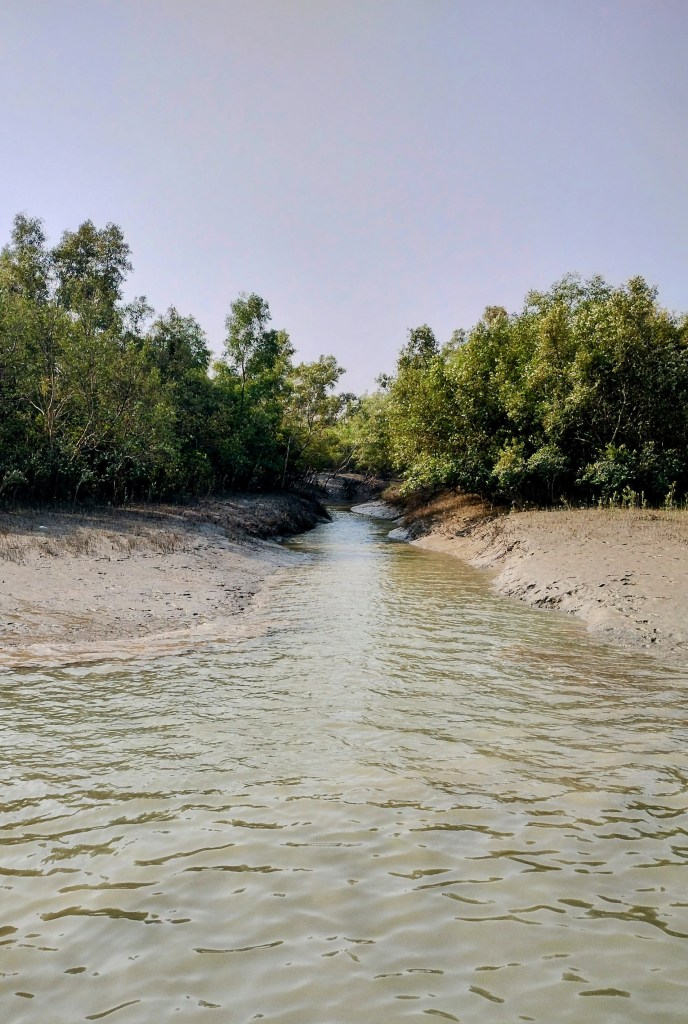
Determined to explore the Sundarbans as it is meant to be seen—by boat—we booked a day tour through our resort. For Rs. 1,500 per person, plus a Rs. 180 permit fee, the package included breakfast, a mid-day snack, and lunch. The boat, accommodating 12 tourists, two crew members, and a guide, set sail from Jharkhali Ferry Ghat at 9:00 AM.

Floating on the vast river, sipping hot tea, and watching the ever-changing landscape unfold was an experience in itself. The rhythmic hum of the boat, the briny scent of the tidal waters, and the endless maze of mangroves cast a hypnotic spell—time seemed to slow down. As we drifted towards Dobanki, we reached a mesmerizing point where the rivers merge with the Bay of Bengal, the water shifting from muddy grey to a striking emerald blue, shimmering under the golden sunlight. Dobanki Forest Camp offered a glimmer of hope, as efforts were visibly being made to restore mangrove trees.
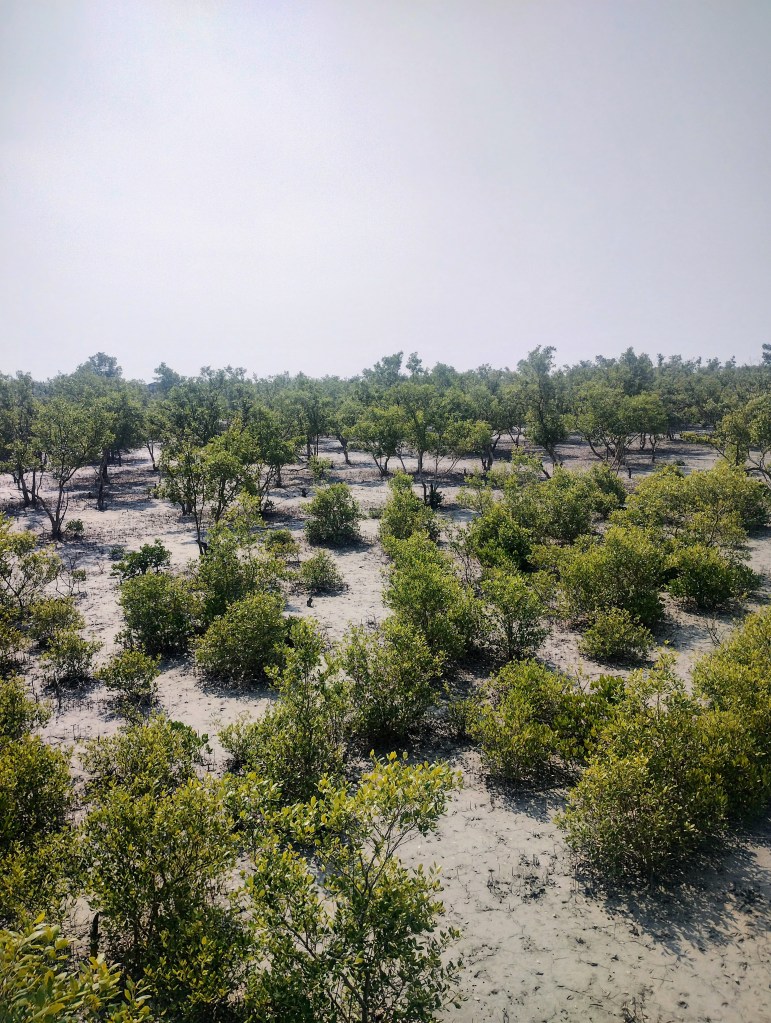
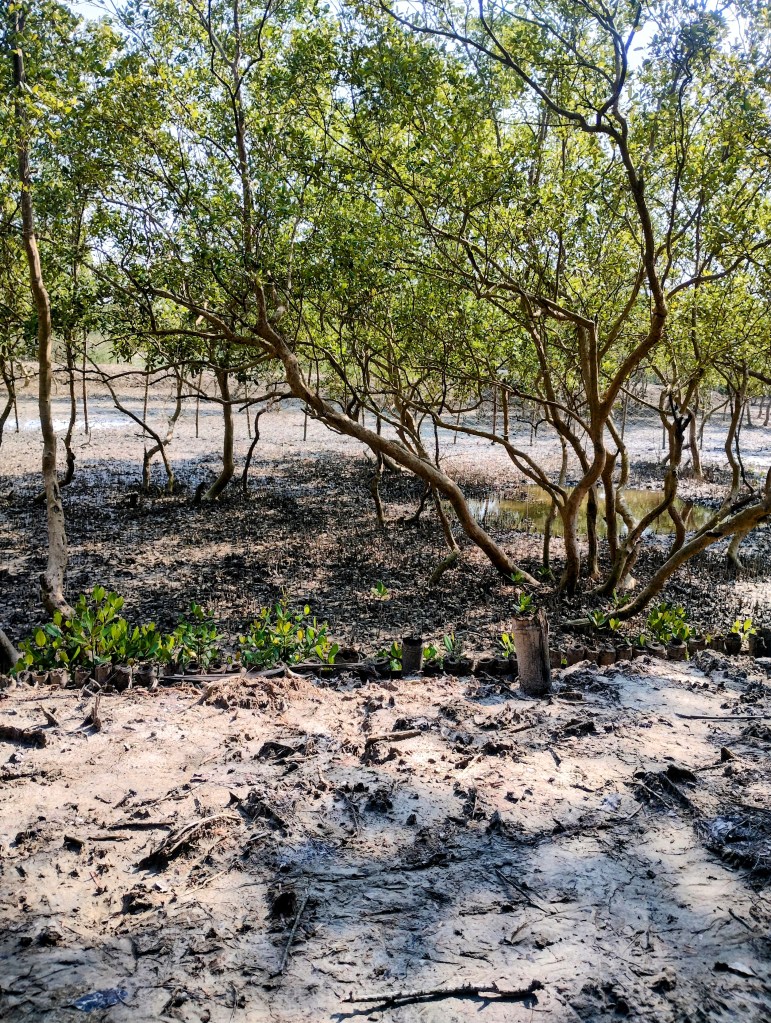
Hope takes Root – New Mangrove Plantation thriving at Dobanki Forest Camp
A saltwater crocodile basking lazily on the riverbank was our first significant wildlife sighting. It was so still that, for a moment, it looked like a sculpted relic—until its tail twitched. But the real thrill began as we ventured into the narrow, winding creeks. These untouched passages held a different kind of beauty, with the calm waters reflecting the green canopy above. At this time of year, the forest was adorned with some melon shaped fruits. Our guide explained that these fruits are so bitter that no animal dares to eat them.
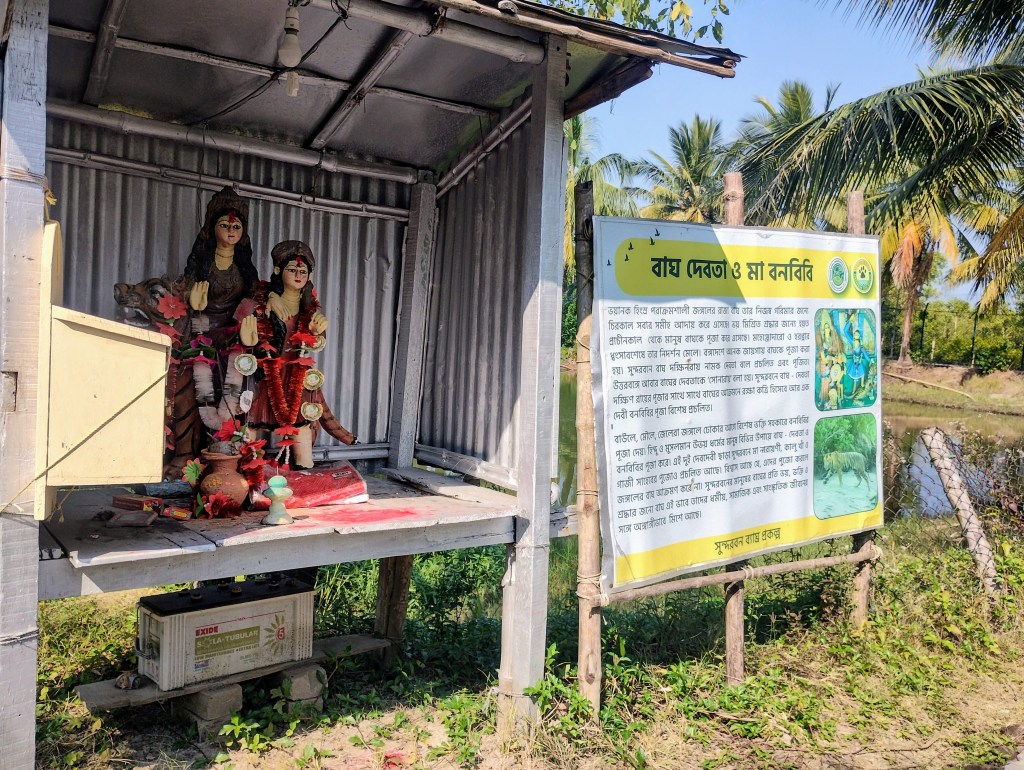
As our boat glided further, I noticed something unusual—brightly colored clothes draped over the branches of some mangrove trees. The sight was both eerie and intriguing, a stark contrast to the dense green backdrop. Curious, I turned to our guide.
He explained that the villagers, before venturing into the jungle to collect honey, offered new clothes to Bonobibi, the guardian deity of the Sundarbans, as a form of prayer. According to him, the clothes symbolized a gift to the goddess, seeking her protection from the dangers of the forest—especially from tigers, which the villagers regarded as divine beings. It was believed that by showing reverence, Bonobibi would keep them safe from harm.
Hearing this, I was reminded of how deeply faith and survival were woven together in this land. The people of the Sundarbans did not see themselves as masters of the wilderness but as humble visitors, seeking the mercy of nature’s guardians.
Wildlife sightings were scarce—just a few deer, a crocodile, a Bengal monitor lizard, and some exotic birds, including the kingfisher. In 2008, even spotting a deer or crocodile felt ordinary because of their abundance. Now, even catching a glimpse of them felt like a rare event. Nonetheless, my hopes of spotting a Royal Bengal Tiger remained unfulfilled, just as in 2008.
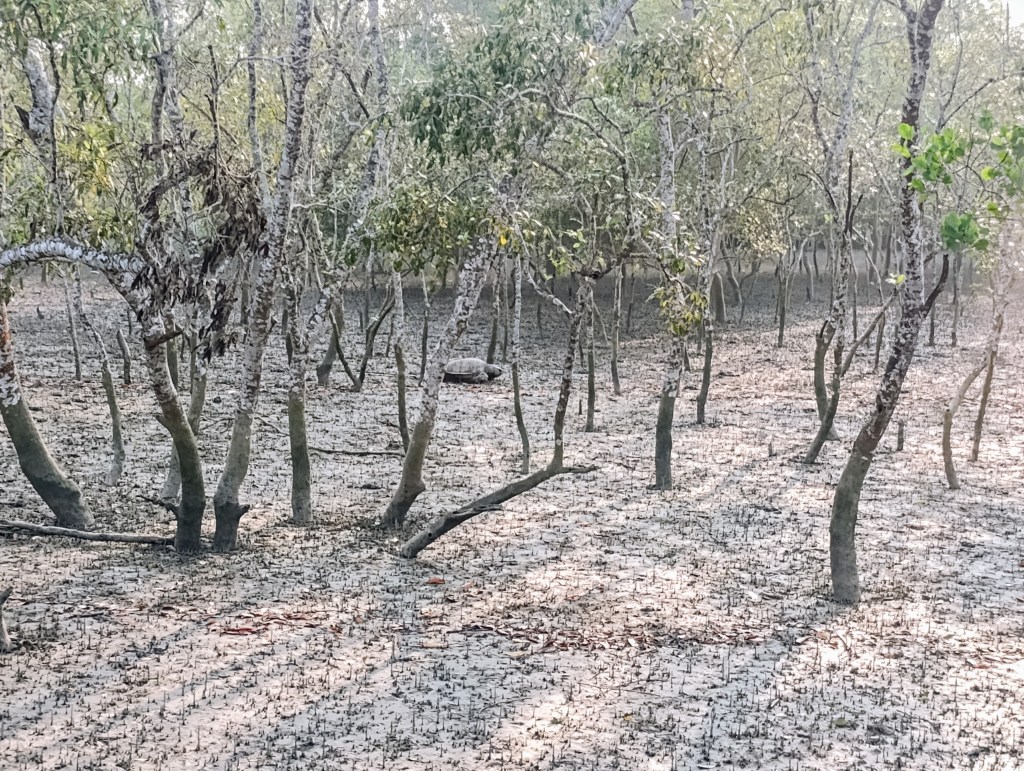
My disappointment did not last long. On our way back to Jharkhali Ferry ghat, we saw a giant turtle resting under a tree. It was around 2.5 feet long and 1.5 feet wide, a true marvel of nature and a moment to cherish.
As the sun dipped below the horizon, we concluded our tour with the mesmerizing sight of a kaleidoscope of butterflies fluttering around us—ending the journey on a magical note.

Day 3: The Drive Back
With memories etched in our minds, we began our return journey. The drive from Kolkata to Jharkhali had been my longest yet. To my delight, the roads were in excellent condition except for the last five kilometers, which were a bit rough.. The only hiccups came from the frequent halts forced by local highway totos, cycle vans, and motor vans. Nevertheless, the journey was smooth and pleasant.
What to Eat and Where to Stay?
The Sundarbans offer an authentic taste of Bengali cuisine. Be sure to try the local Koi Bhol fish and fresh crab dishes.
There are plenty of homestays, lodges, and resorts across the Sundarbans, with budget options starting as low as Rs. 700 per night.
Itinerary
A 2 to 3-day trip is perfect for exploring the Sundarbans from Kolkata. You can choose between:
🔹 The Classic Cruise Experience – Perfect for those who want a slow, immersive journey through the heart of the Sundarbans. Board a boat from Kolkata or Canning and sail through the winding creeks, anchoring at key locations. Expect serene sunrises, wildlife sightings, and the rhythmic lull of the water beneath you.
🔹 The Road & River Adventure (Our Choice) – Ideal for travelers who prefer a mix of road trips and boat excursions. Drive to a jetty and take a ferry into the mangroves, exploring watchtowers, nature camps, and lesser-visited spots. This option allows for flexibility and a more varied experience of the region.
Other Places to Visit in Sundarbans
- Sudhyankhali watch tower
- Sajnekhali Watch Tower. Also visit the Bhagabatpur Crocodile Project, the only one of its kind in West Bengal.
- Buridabri Water Tower & Forest Camp – Experience mud walks and a mangrove cage trail leading to Raimongal Viewpoint. From here, you can see the Bangladesh Sundarbans.
- Netidhopani – Witness the ruins of a 400-year-old Shiva temple from the watch tower.
Be a Responsible Tourist in Sundarbans
While Sundarbans remains a place of wonder, its transformation over the years is bittersweet. The dense, untouched wilderness of 2008 has been replaced with bustling tourist activity, making wildlife sightings increasingly rare. Still, the region holds an undeniable charm, and with conscious conservation efforts, it can continue to be a sanctuary for nature lovers.
If you wish to experience the true essence of the Sundarbans, go deeper into its lesser-explored creeks and travel responsibly—so that this incredible ecosystem can continue to thrive for generations to come.
Remember,
- Loud music and unnecessary noise disturb the animals and disrupt the natural ambiance;
- Carry back everything you bring. Plastic waste is a huge threat to the fragile mangrove ecosystem;
- Maintain a safe and respectful distance from wildlife.
Sundarbans is more than just a travel destination—it is one of the last frontiers of true wilderness. Every footprint we leave behind, every piece of plastic we discard, every loud noise we make—echoes through the forest, shaping its future. Therefore, we must ensure that our presence does not harm the very nature we come to admire.


 Ayantika Malakar
Leave a comment