
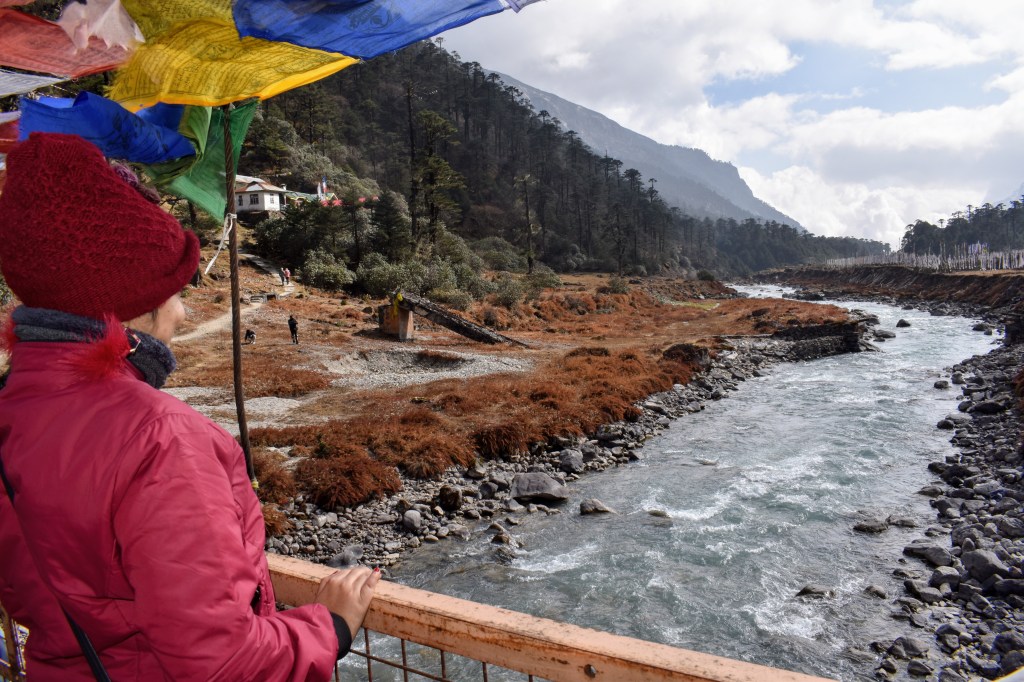
Sikkim Diaries Part II: From Snow Trails to Warm Hearts
Back in October 2021, I set off on a journey to explore North Sikkim — a region that feels like a painted dream of green valleys, cascading waterfalls, and snow-draped peaks. This is the second part of my Sikkim series, and it begins where Part I left off — after my breathtaking visit to the majestic Gurudongmar Lake.
Though the altitude at Gurudongmar had taken a toll on my health, I had to stick to my packed itinerary. Our next destination was Lachung Village, and we were set to reach there by nightfall.
En route we made a brief halt at Lachen to pick up our luggage. I realized I had skipped mentioning this in Part I — so here’s a travel tip: tourists are advised to carry only essentials during their Gurudongmar excursion. Your main luggage is usually kept safely at the hotel or homestay in Lachen where you stayed the previous night, at no extra cost. After completing the trip, you swing by to pick up your belongings — perhaps even grab a quick lunch at a local eatery before continuing the journey.
The Road to Lachung: A Moving Canvas
The drive from Lachen to Lachung is nothing short of cinematic. Think emerald valleys, flowering shrubs, waterfalls tumbling down rocky slopes, and strings of colorful prayer flags fluttering in the breeze. The light drizzle and gentle wind gave the landscape a romantic touch.
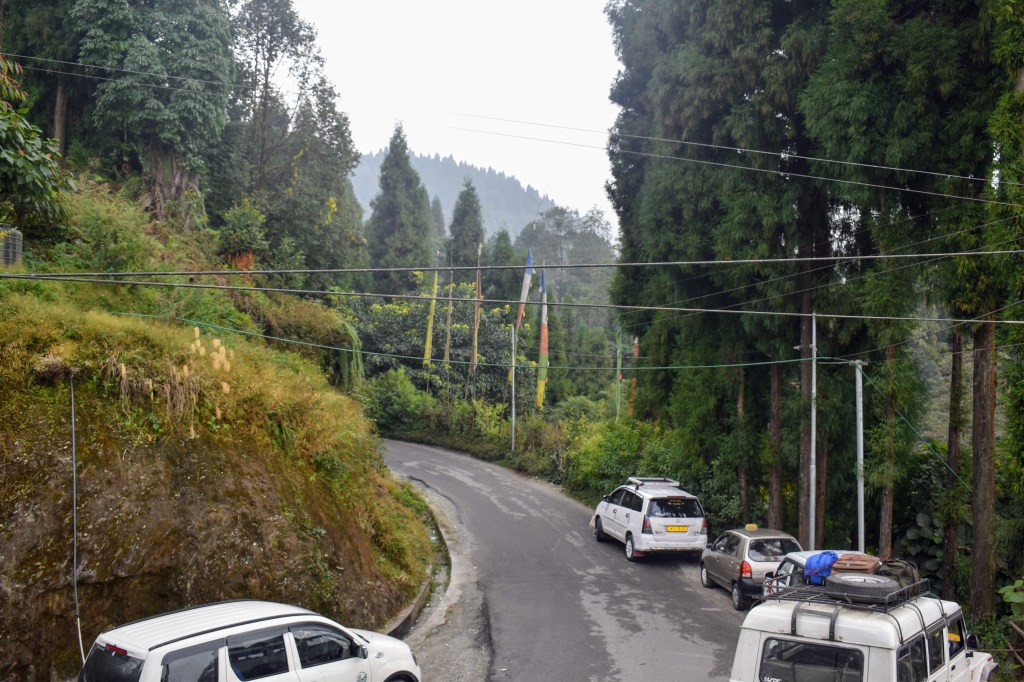
As night descended, the headlights from a long line of tourist vehicles lit up the narrow mountain roads. It felt like a convoy, weaving its way through the hills. Leading our convoy was our ever-cheerful driver, Mr. Tshering Lachung Pa — a native of Lachung who had moved to Gangtok in search of work, like many youths from these remote parts. His stories made the journey even more memorable.
By the time we reached our homestay in Lachung, fatigue had set in and I drifted into sleep almost immediately. But the next morning promised a whole new adventure.
Yumthang & Zero Point: Morning Magic in Lachung
I woke up to a cool, vibrant morning in Lachung, the kind that fills you with anticipation. Our plan was to visit Yumthang Valley and the famous Zero Point — also known as the snow point, or more aptly, the ‘fun point.’
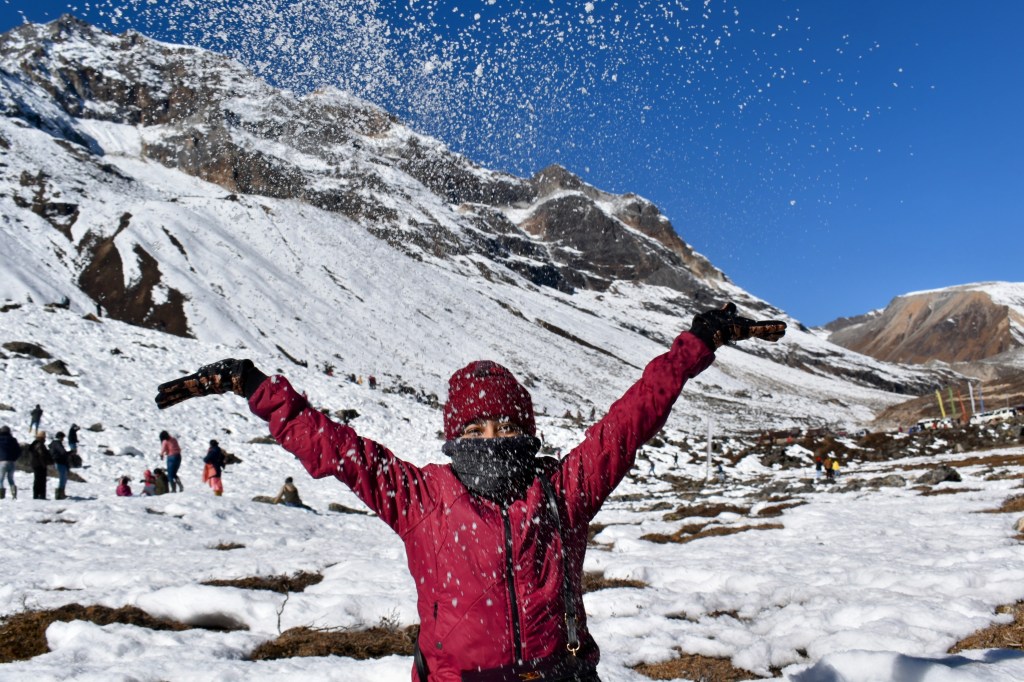
Tip: you may rent snow boots and snow gloves at the small market near Yumthang Valley. They’re available at a nominal price. These accessories are an absolute must if you plan to enjoy the snow comfortably. You can also grab a quick breakfast there, as beyond Yumthang there are no shops or stalls.
The short drive to Zero Point is a delightful one, with winding roads and ever-changing landscapes. On the way, there’s a viewpoint that offers a spectacular bird’s eye view of Yumthang Valley — a perfect photo opportunity and a moment to take in the grandeur of the region. After soaking in the vistas, continue the journey to Zero Point.
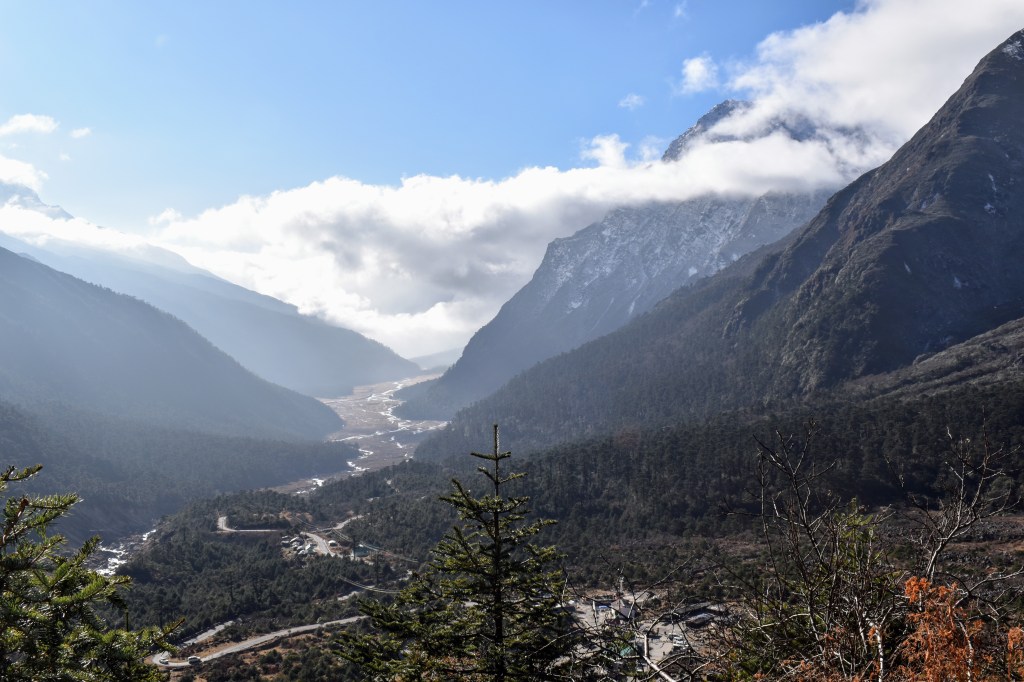
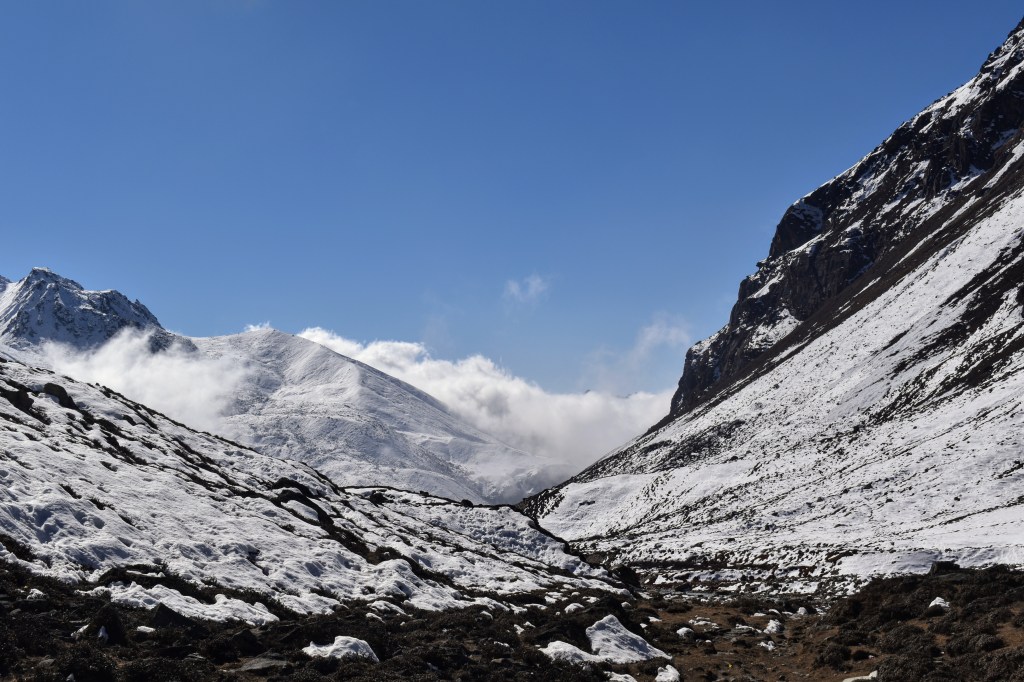
Snow begins to make its appearance gradually, until you find yourself surrounded by pristine white land that stretches as far as the eye can see. What makes Zero Point special is that despite the snow, the temperatures are surprisingly bearable. It’s perfect for a snowball fight, building a snowman, or just jumping around like a kid! But remember — go early. As the day progresses, fog sets in. It not only dampens the brightness of your photos but may also obscure the magnificent bird’s-eye view of Yumthang Valley. You might even encounter a light drizzle, which can further hinder the experience.
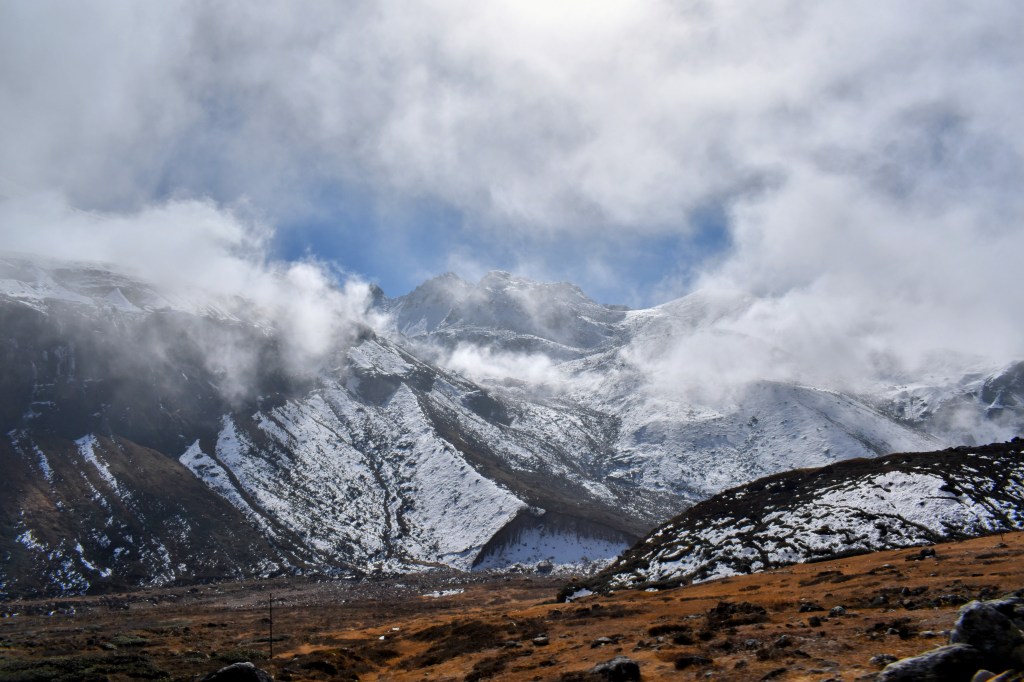
Yumthang Valley: A Slice of Himalayan Paradise
Nestled in the Eastern Himalayas, Yumthang is a high-altitude river valley that seems straight out of a fairy tale. Even though it wasn’t flowering season during my visit, the sight of yaks grazing on rolling meadows, with high mountains in the background, was magical.
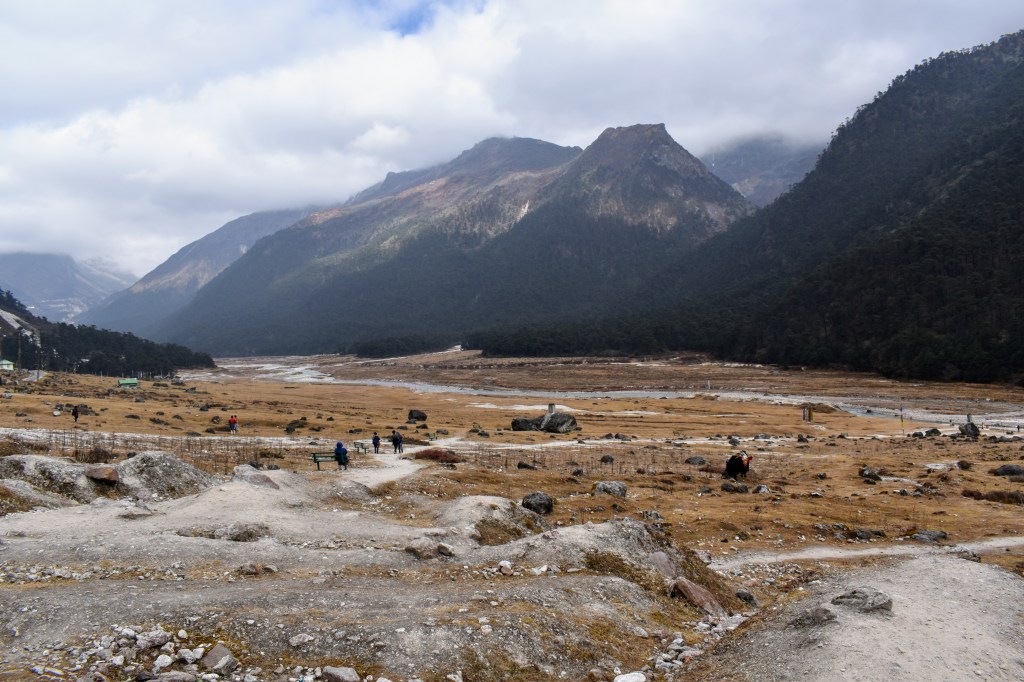
A tributary of the Teesta River — locally called Lachung Chu — flows through this valley, adding to its tranquil charm. wide alpine meadows stretch out beside the river. Just sitting on a bench there and soaking in the calm can momentarily wash away all your worldly worries. Back in 2021, the ambience was truly serene — a rare kind of stillness you carry with you. (Though, with the rising tide of overtourism in North Bengal and Sikkim in recent years, such tranquility may be harder to find now.)

Depending on when you visit, Yumthang wears different colors:
- Early March: Snow-covered wonderland
- April-May: A blooming carpet of rhododendrons
- June-July: lush green meadows
- October: golden meadows
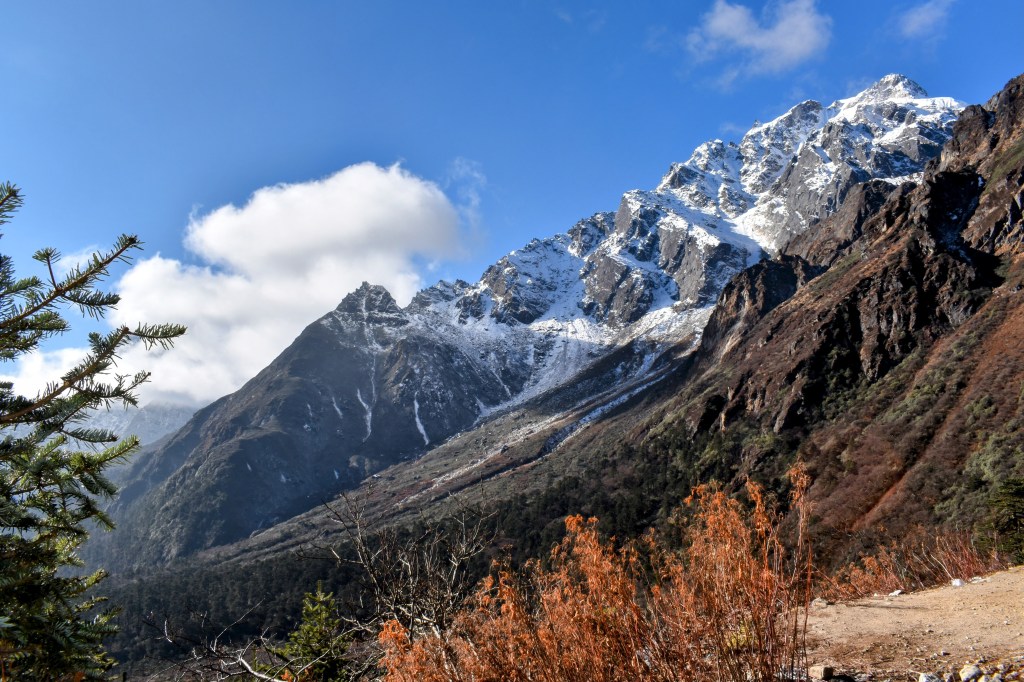
A Hearty Local Lunch – and a Lesson in Simple Living
What came next was the surprise highlight of our day — a moment not found in guidebooks or travel itineraries.
On a spontaneous request, Mr. Tshering arranged for our lunch at a local household in Lachung. The family welcomed us with such warmth, it felt less like a visit and more like coming home. They served us a traditional Sikkimese meal — rice with chicken gravy, lentils, churpi (a fermented yak cheese), and a tangy dalle chili pickle that packed both heat and heart. Every bite was infused with the kind of care that only a home-cooked meal can offer.
But what truly stayed with me was not the meal — it was them.
The family lived in a modest home that overlooked the valley, surrounded by nature rather than concrete. Their daughter, who worked in merchant navy, had brought back stories from across the seas, yet they all remained deeply rooted in their land and culture. We spoke at length about Kolkata, where they had often travelled for her education and career. It struck me how intertwined our worlds were — city and mountain, strangers yet familiar.
They didn’t have much in the way the world usually measures wealth — but there was a quiet richness in their life. In their conversations. In the way they smiled easily. In their openness to share a meal with someone they had just met.
Even their pet dog seemed to mirror their warmth — nuzzling at our feet, as if welcoming us too.
Despite their economic stability, their lives remained refreshingly simple. No unnecessary frills, no filtered facades — just authenticity. Their simple, grounded life is a beautiful reminder of humility and grace. And in that simplicity, I found something profoundly beautiful. It was a gentle reminder that peace doesn’t always come from exotic destinations or grand views — sometimes, it lives quietly in the warmth of a home and the clink of shared cutlery.
The lunch cost next to nothing. But the experience? Priceless.
With our hearts full and stomachs fuller, we began our return journey to Gangtok, wrapping up our North Sikkim escapade.
Best time to Visit
Any time between March to June and October, when Gurudongmar lake is open to tourist is a good time to visit North Sikkim.
Where to stay? What to eat?
Accommodation in Lachung is better than in Lachen — both in terms of quality and availability. You’ll find cozy homestays and mid-range to luxury hotels easily.
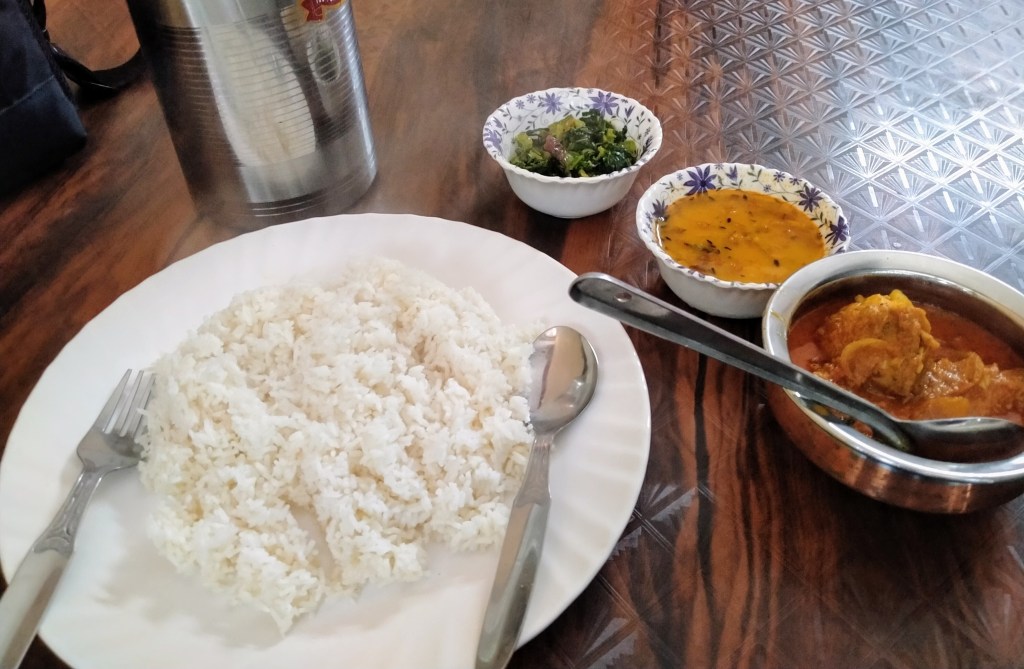
In North Sikkim don’t miss out on local dishes like Nepali-style country chicken curry, gundruk, or a humble plate of dal at roadside eateries. The flavors of North Sikkim are as memorable as its landscapes.
Itinerary
Day 1: Reach Gangtok: spend the day acclimatizing and exploring some local attractions like MG Marg, Tashi View Point, and Gonjang Monastery. The city has a charming vibe, with a perfect blend of culture, shopping, and panoramic views.
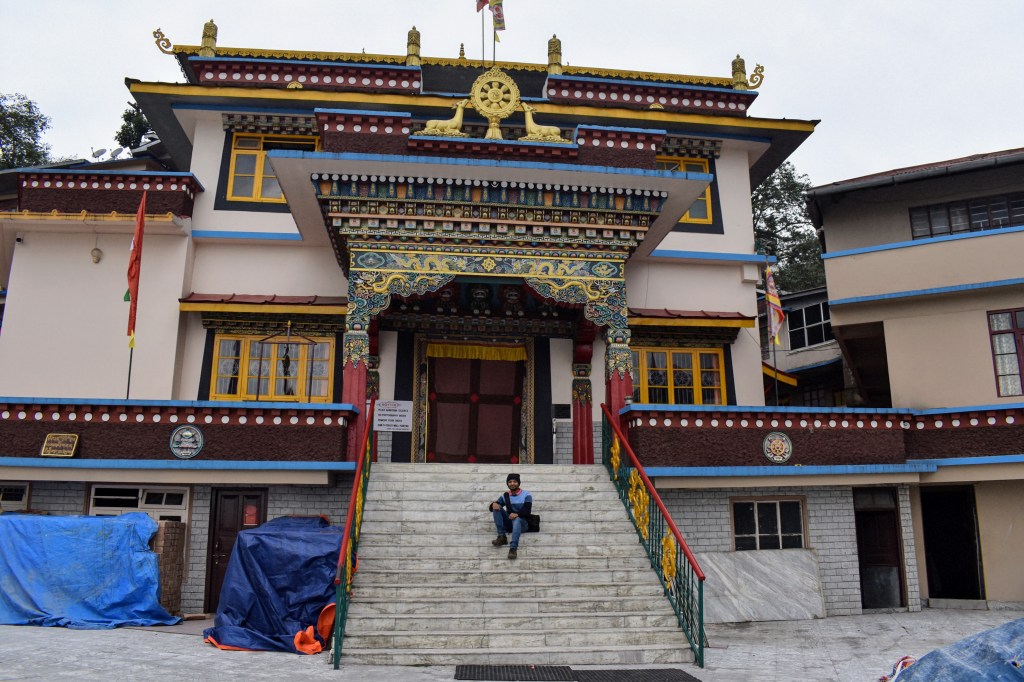
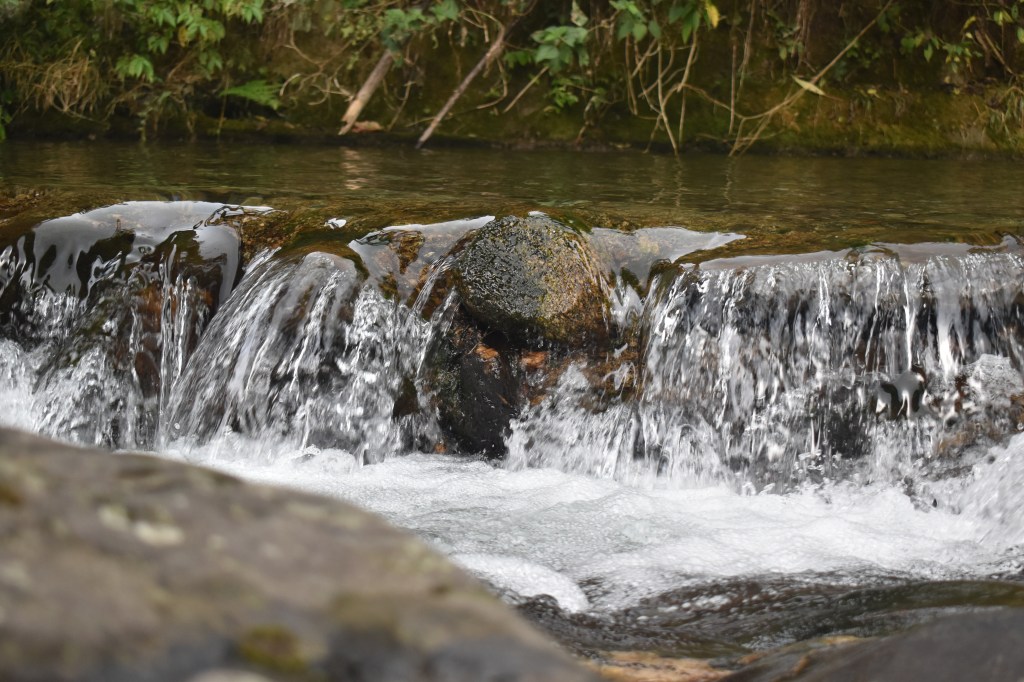
Day 2: Drive from Gangtok to Lachen: The journey takes about six to seven hours and offers breathtaking sights along the way. As you ascend into North Sikkim, you’ll pass cascading waterfalls like the Seven Sisters Waterfall and the thundering Naga Waterfall. A brief halt at Chungthang — the confluence point of Lachen Chu and Lachung Chu rivers — offers a striking landscape. If time allows, you can also stop at Butterfly Waterfall, a quieter and lesser-known spot. You’ll arrive in Lachen by late afternoon or early evening. Rest up, as the next day’s adventure begins at dawn.
Day 3: Start early for Gurudongmar Lake, one of the highest lakes in the world. The route to the lake passes through Thangu Village, a scenic hamlet often dusted with snow. You might also take a diversion towards Kala Patthar — an optional stop that rewards you with panoramic views of the snow-covered Himalayas. After soaking in the tranquil beauty of Gurudongmar, return to Lachen for lunch and to pick up your luggage. Later in the afternoon, begin your onward journey to Lachung. The route from Lachen to Lachung is equally mesmerizing, with sights like Bhima Falls and Twin Waterfalls adding to the charm.
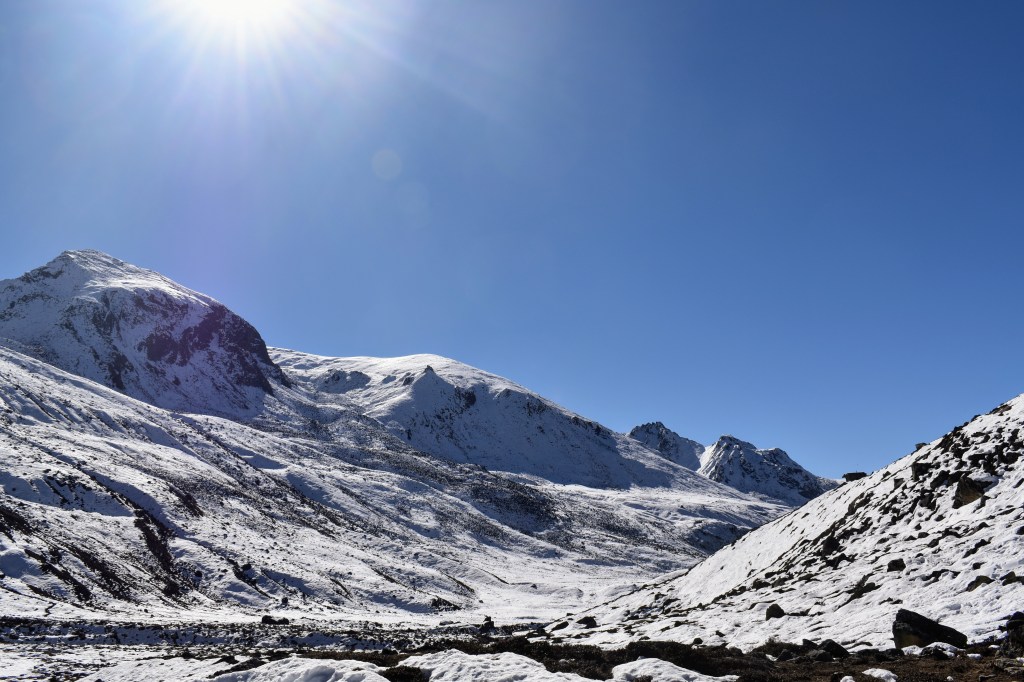
Day 4: Kick off early with a drive from Lachung towards Zero Point. make a brief stop at the small market near Yumthang Valley for breakfast and shopping. With your gear sorted, continue your ascent toward Zero Point. After that, begin your descent back and stop at Yumthang Valley for a more relaxed experience. Finally drive back to Gangtok after lunch. Along the way, you may visit the peaceful Lachung Monastery or pause at Singhik View Point — one last stop to admire Mt. Kanchenjunga if the skies are clear.
Final Thoughts
As you soak in the beauty of North Sikkim, remember that its delicate landscapes and cultures need our care. Please avoid littering, opt for shared cabs to reduce emissions, and support local homestays and eateries. A little mindfulness — like carrying reusable bottles, respecting local customs, and staying on marked trails — goes a long way in preserving this paradise for generations to come.


 Ayantika Malakar
Leave a comment