
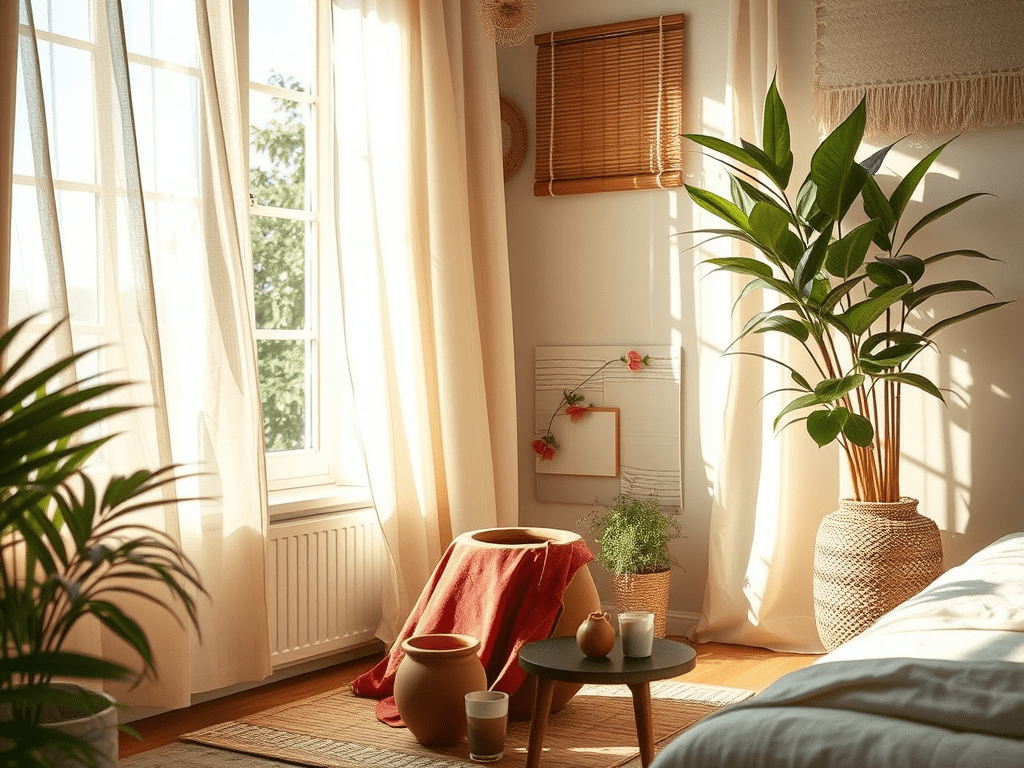
When the summer sun beats down relentlessly, retreating into an air-conditioned room feels like the only escape. But have you ever paused to think — what’s the real cost of that comfort?
While air conditioners offer instant relief, they quietly bring along a host of problems — for your wallet, your health, and the planet.
The Hidden Costs of Staying Cool
🩺 Health Hazards 🩺
Spending extended hours in AC environments can lead to:
- Dry skin, itchy eyes, and dehydration from low humidity.
- Sinus irritation and joint stiffness due to sudden temperature drops.
- Respiratory discomfort from recirculated, unfiltered air.
- Increased exposure to allergens like dust and mould if filters aren’t cleaned regularly.
🌍 Environmental Impact 🌍
The climate cost is even more alarming:
- ACs are electricity-hungry, and much of that energy still comes from coal-based power.
- Most units release hydrofluorocarbons (HFCs), potent greenhouse gases that accelerate global warming.
- Outdoor condenser units release heat, worsening the urban heat island effect in cities.
But here’s the good news — there are healthier, greener, and cheaper ways to stay cool.

8 Natural & Affordable Cooling Alternatives
1. Ventilate Like You Mean It
- Open windows during early mornings and evenings.
- Create cross-ventilation by opening windows on opposite sides.
- Keep interior doors ajar for airflow.
Why it works: It replaces hot, stale air with fresh, cooler air — without using any power.
2. Block the Sun, Not the Breeze
- Choose white/light-colored drapes to reflect sunlight.
- Use heavy curtains or reflective window films.
- Keep curtains closed during peak sun and open them at night.
Why it works: Up to 30% of indoor heat comes through windows.
3. Go Natural with Fabrics and Surfaces
- Opt for cotton or linen for clothes and bedding.
- Use bamboo mats, vetiver blinds, and jute rugs.
- Store water in clay pots (matkas) and cover them with wet cloth for natural cooling.
Why it works: Natural materials breathe and wick moisture better than synthetics.

4. Cool Yourself, Not Just the Room
- Take cool showers or wipe with wet towels on pulse points (neck, elbow).
- Use DIY mist sprays (try adding peppermint oil).
- Stay hydrated with lemon juice, mint sharbat, or coconut water.
Why it works: Direct body cooling is faster and more efficient than cooling entire spaces.
5. DIY Cooling Hacks
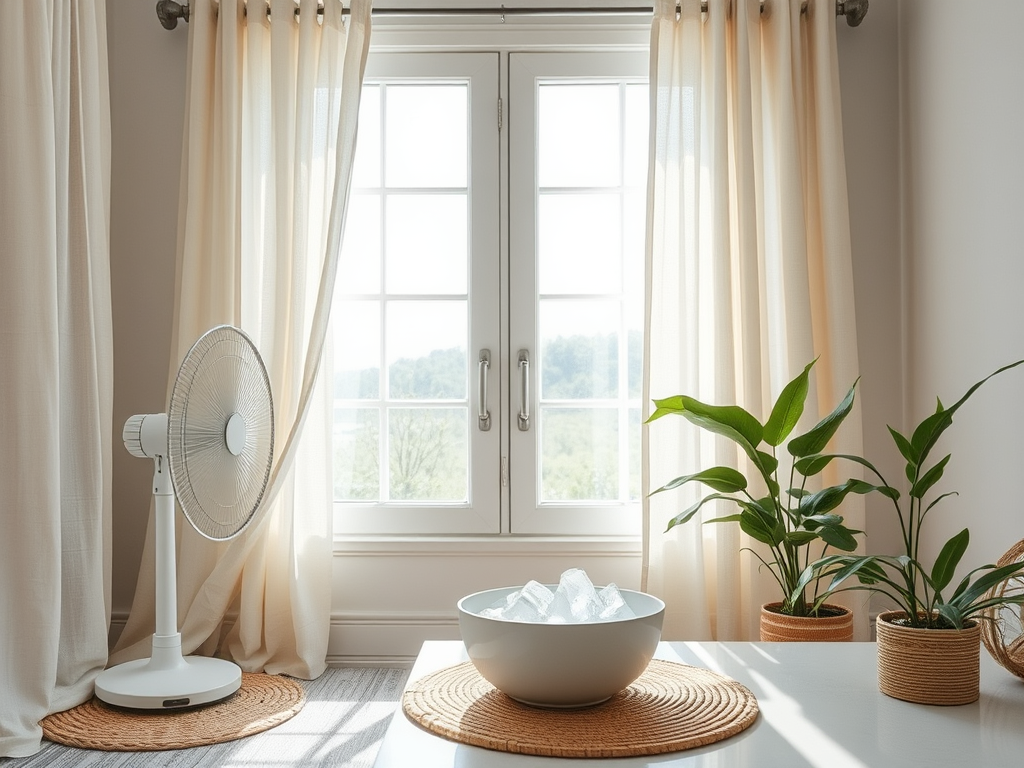
- Place a bowl of ice in front of a fan.
- Drape a wet sheet/cloth over open windows.
- Freeze a damp towel and place it on your shoulders or forehead for a few minutes only.
- Use table fans instead of ceiling fans. Place table fan near window.
Why it works: These methods rely on evaporative cooling — nature’s own AC.
6. Insulate Your Space
- Paint roofs white or silver to reflect heat.
- Grow a rooftop garden or install green covers.
- Use rugs to reduce floor heat from tiles or concrete.
Why it works: Proper insulation keeps indoor temps stable and cooler.
7. Bring in Cooling Plants
- Indoor plants like aloe vera, areca palm, and snake plant lower temps and purify air.
- Vertical gardens on balconies or windows reduce surrounding heat.
Why it works: Plants cool through transpiration and add natural humidity.
8. Sleep the Traditional Way
- Sleep low — on a floor mat or low-height bed with cotton bedding.
- Avoid memory foam mattresses and synthetic pillows that trap heat.
Why it works: These sleeping methods promote ventilation and reduce body heat buildup.
🌍 Rethink Comfort. Rediscover Simplicity.
Our grandparents kept cool without machines — using instinct, natural materials, and clever habits. It’s time we rediscovered those traditions. Try one or two of these alternatives this summer. Mix, match, and customize what works for your space and your body.
Because staying cool shouldn’t cost your health, your peace of mind — or the planet.


 Ayantika Malakar
Leave a comment