
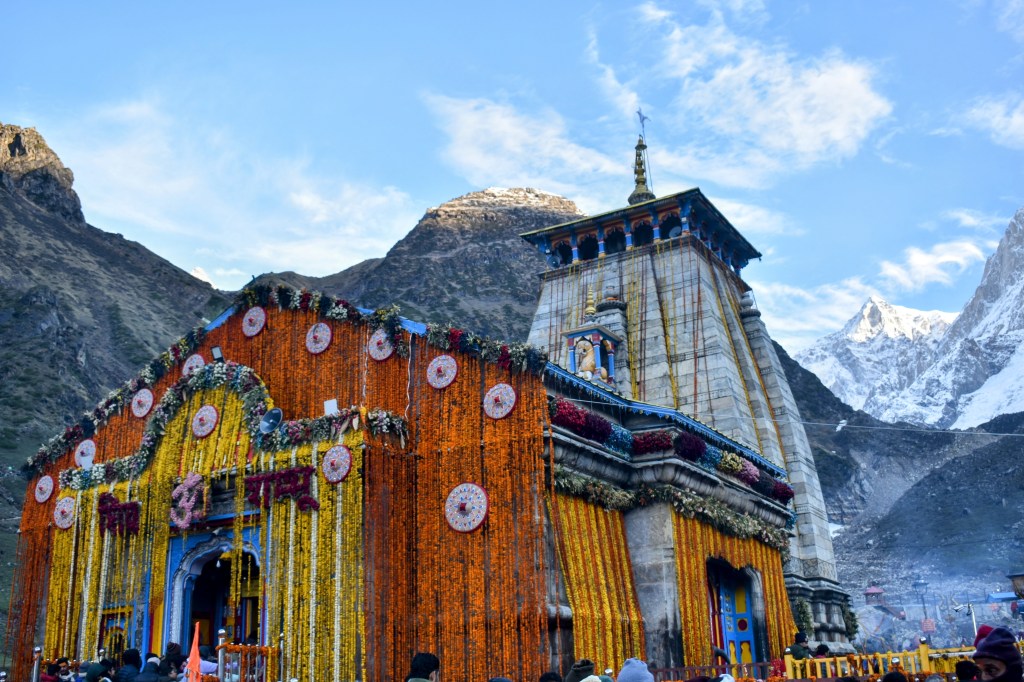
Jai Shree Kedar!
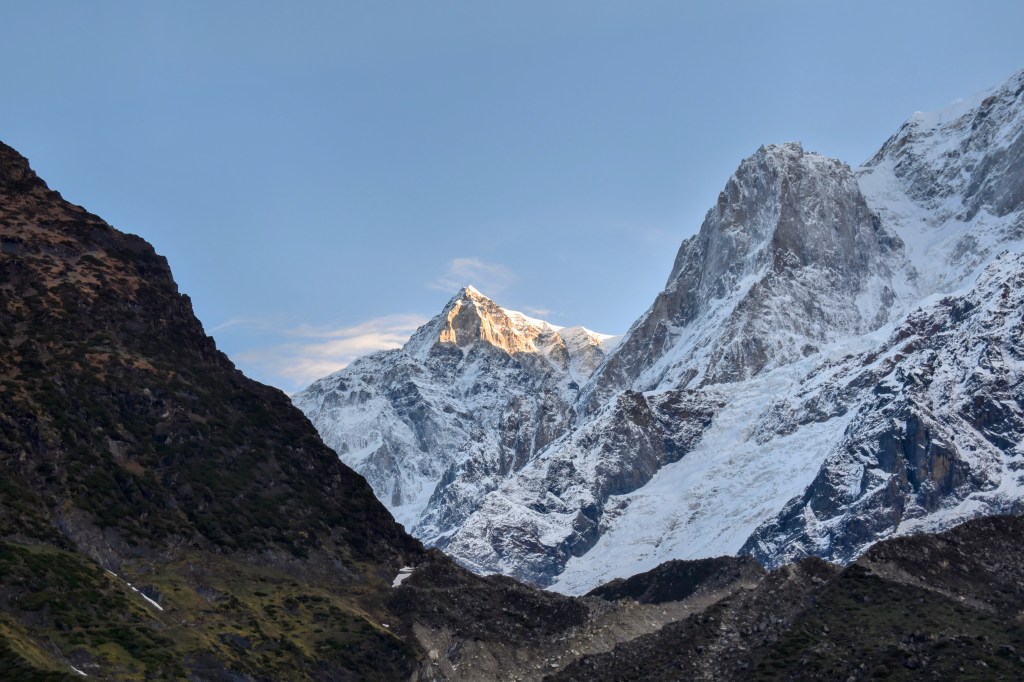
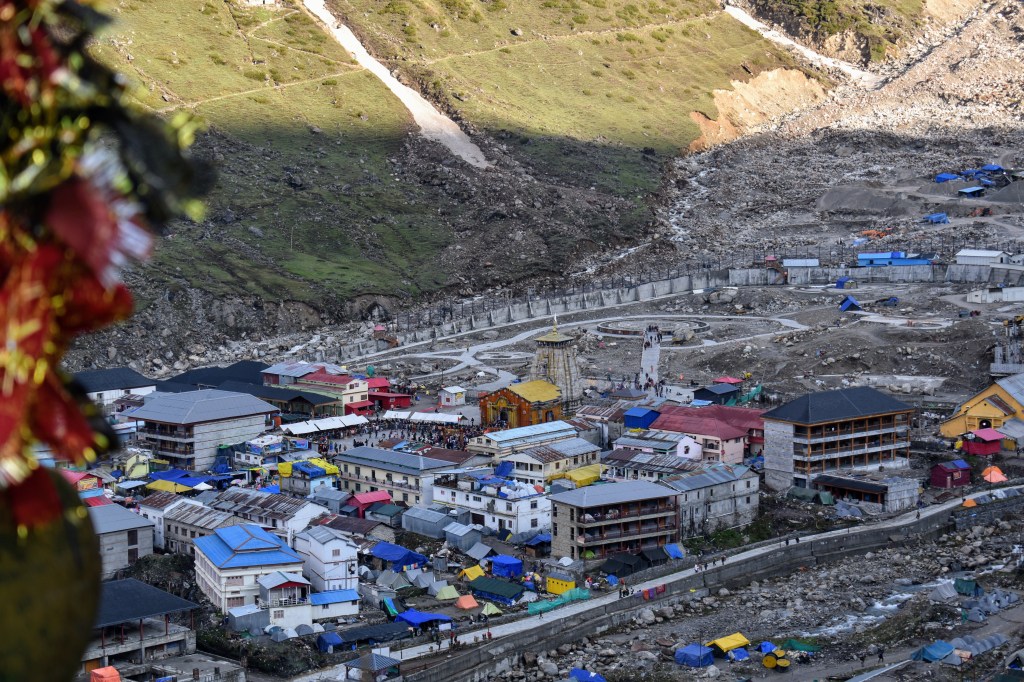
Nestled in the lap of the majestic Garhwal Himalayas, Kedarnath Dham is more than just a spiritual destination—it’s a test of endurance, a celebration of faith, and a journey into the heart of divine serenity. It’s as if Lord Shiva himself calls you—testing your resilience. This trek humbles you, strengthens you, and ultimately rewards your devotion. The moment you arrive at the sacred temple, nestled amidst snow-capped Himalayan peaks, you feel peace seep into your very being. It’s not only the temple but the entire landscape that exudes purity.
Sitting at an elevation of 3,586 meters above sea level, in Rudraprayag district of Uttarakhand, Kedarnath Dham holds immense spiritual significance. It stands as one of the twelve sacred Jyotirlingas of Lord Shiva, one of the Chota Char Dhams of Uttarakhand, and a revered shrine within the Panch Kedars.
History: Legend has it that after the epic battle of Kurukshetra, the Pandavas sought redemption for their sins from Lord Shiva. To avoid them, Shiva took refuge as a bull in Guptakashi. However, Bhima, with his keen spiritual insight, recognized him. As Shiva repeatedly eluded them, the Pandavas followed him to Kedarnath where Shiva then dived into the ground. But Bhima managed to grasp the bull’s hump. The remaining parts of the bull reappeared at four other locations, leading to the establishment of the Panch Kedars: the arms at Tungnath, the face at Rudranath, the stomach (nabhi) at Madmaheshwar, and the locks with the head at Kalpeshwar. It was at these five sacred spots that the Pandavas could touch the Lord and built temples to worship Lord Shiva’s manifestations.
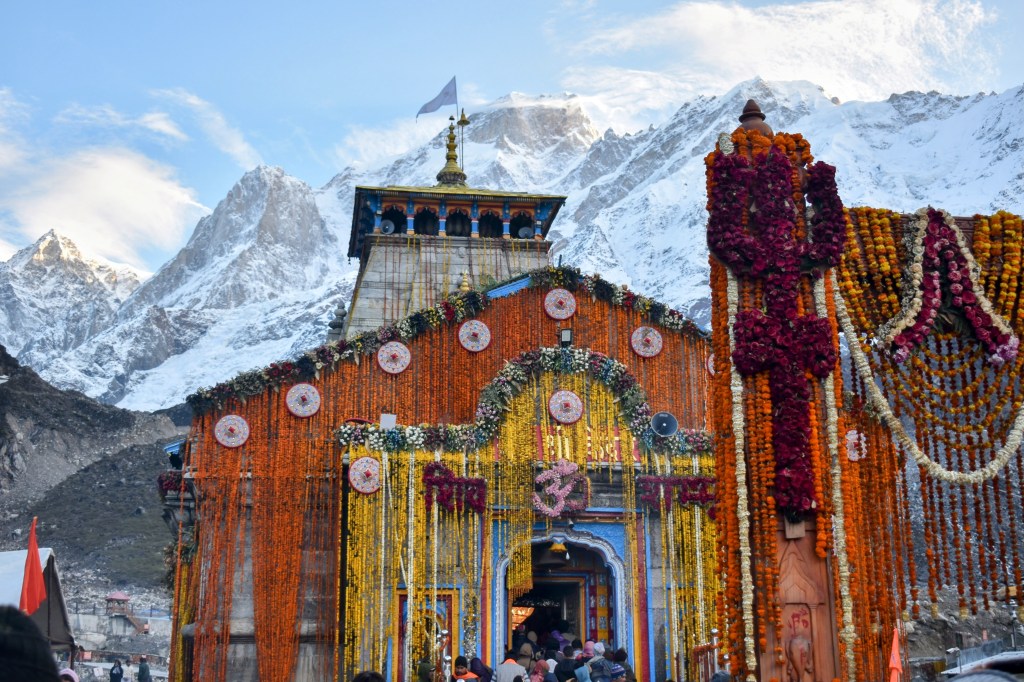
The current magnificent stone temple at Kedarnath, a testament to enduring faith, was built by Adi Shankaracharya in the 8th century. Inside, intricate sculptures of various deities adorn the walls, while outside, a majestic statue of the Nandi Bull stands sentinel, facing the temple with unwavering devotion.
Our Spiritual Journey to Kedarnath Dham
In May 2025, my husband and I embarked on this sacred journey. Our flight to Dehradun was delayed by nearly 6 hours, derailing our initial itinerary. Our original plan to reach Gaurikund that evening was no longer feasible since it’s unsafe to drive on hilly roads late at night. But, aiming to realign with our original itinerary soon, we continued onward until Srinagar (Uttarakhand).
Despite the worries due to the delay, there was something calming about leaving the city lights behind. As we crossed Shivpuri, the roads grew quiet, the mountain air cooler, and the hills darker—as if nature herself was tucking in for the night.
Early next morning, we resumed our drive just after sunrise, greeted by the fresh springtime bloom of the Garhwal hills. Having visited Uttarakhand in October previously, I remembered the landscape feeling somewhat parched and exhausted after the rush of the Char Dham Yatra season. But, in this time of the year, the vibrancy of the region is stunning—flowers in full bloom and the mountain air crisp and rejuvenating. We made an unplanned yet soul-soothing stop at Dhari Devi Temple, just before Rudraprayag—a spiritual highlight that set a divine tone for the rest of our yatra.
The Gateway to Kedarnath: Sonprayag and Gaurikund
We reached Sonprayag parking around 9:30 AM. Just a few meters away lies the registration counter, where verification of yatra registration and aadhaar is conducted. If you haven’t registered yet, you can do it here.
It’s vital to note that online Yatra registration is mandatory after the 2013 floods to keep track of pilgrims. You can register beforehand at https://registrationandtouristcare.uk.gov.in/signin.php. You’ll also need to register your vehicle and generate Green and Trip cards if you’re visiting the Char Dham shrines.
Gaurikund is the official starting point of the Kedarnath trek, located 5 km from Sonprayag. There are two ways to reach Gaurikund from Sonprayag:
* Shared Taxi: A taxi shared by 10 pilgrims costs Rs. 50 per person (as of 2025) and takes you to Gaurikund Parking, about 4 km ahead of Sonprayag.
* On Foot: You can also choose to walk the 5 km.
We opted for the shared taxi to conserve energy before the demanding trek. You can grab breakfast in either Sonprayag or Gaurikund. Eateries are also available on the trekking route, albeit at higher prices due to their remote location, and with, in my opinion, poorer taste.
Crucial tip: Buy walking sticks and rain covers from the Sonprayag market; precipitation is common on the Kedarnath trek at any time of year.
If you wish to start your trek early and avoid queues, consider staying in Gaurikund the night before. This gives you an advantage in terms of time, energy, and weather. However, be aware that Gaurikund is a small village with limited, basic, and often expensive accommodation options, and it gets incredibly congested with pilgrims, palkis, and horses. Sonprayag, on the other hand, offers a wider range of food and lodging options to suit every budget. If you choose to start from Sonprayag, I highly recommend leaving very early to avoid the kilometer-long queues for shared taxis and to increase your chances of securing a pony. Remember, the Kedarnath trek is time-bound— the trek officially allows individuals to start from Gaurikund between 4:00 AM and 1:30 PM.
We boarded our shared taxi around 10:30 AM amidst torrential rain. The journey, usually 20 minutes, stretched to 45 minutes due to slow traffic. My patience wore thin, and I decided to walk the remaining 1 km to Gaurikund parking. It was still raining, the road muddy, but moving felt better than being stuck. (We soon discovered the cause of the traffic: an overburdened parking lot with limited space at Gaurikund. Unless the taxis depart from Gaurikund parking towards Sonprayag, route will not be cleared for the taxis coming from Sonprayag.)
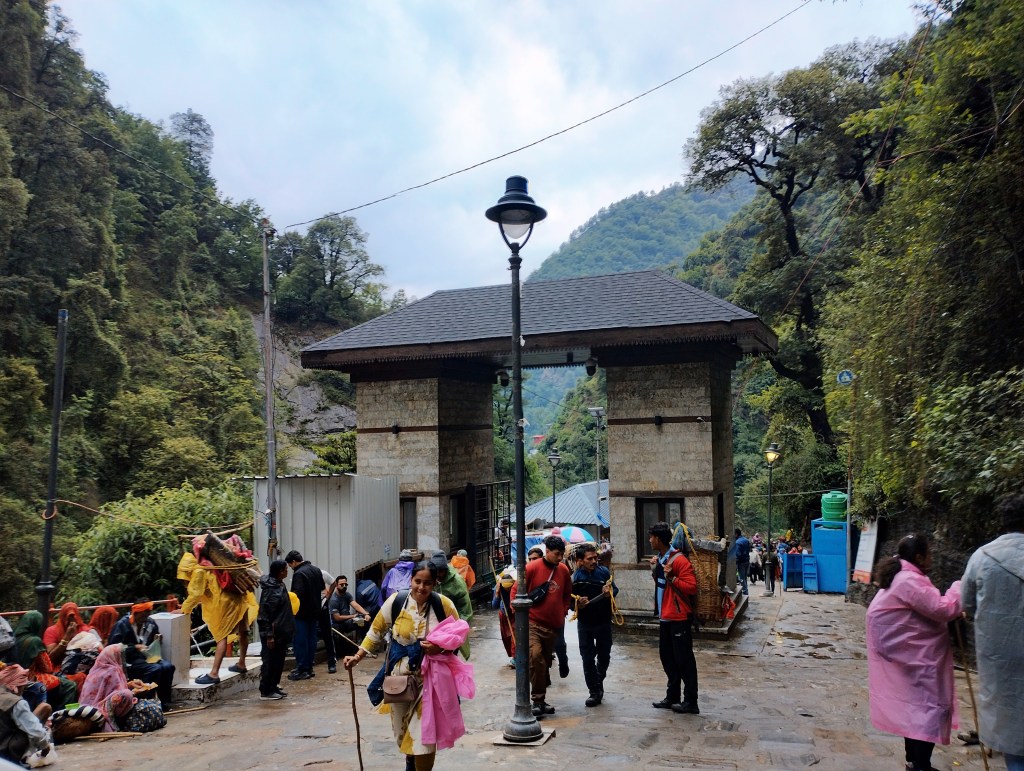
Nevertheless, we continued walking. About 500 meters from the parking, a decorative gateway marks the actual trek starting point. As you walk towards it, you’ll first see the Palki booking counter (a palanquin carried by multiple individuals), then the Gauri Mata Mandir and the Kund of Gaurikund, followed by the Pony booking counter at Ghoda Padav, and finally, the Pitthus (one porter carrying items or individuals on their back) lined up for hire.
The Trek to Kedarnath: A Test of Spirit
We initially planned to trek on foot, but an uncle insisted we hire his Pitthu service. These porters are local villagers who earn their livelihood by carrying pilgrims in special baskets. Pitthus being less popular than ponies or palkis, these porters often struggle to find daily passengers. If you have a child, or luggage, or are slim and lightweight, consider hiring a Pitthu to support these hardworking individuals.
Don’t get too caught up in the exact length of the trek; some say 18 km, some 22 km, others even longer. Repeated landslides and route upgrades have altered the distance. The milestones and signboards can be confusing. But, when you feel like quitting, take a deep breath and chant “Om Namah Shivay.” Lord Shiva will bless you with strength.
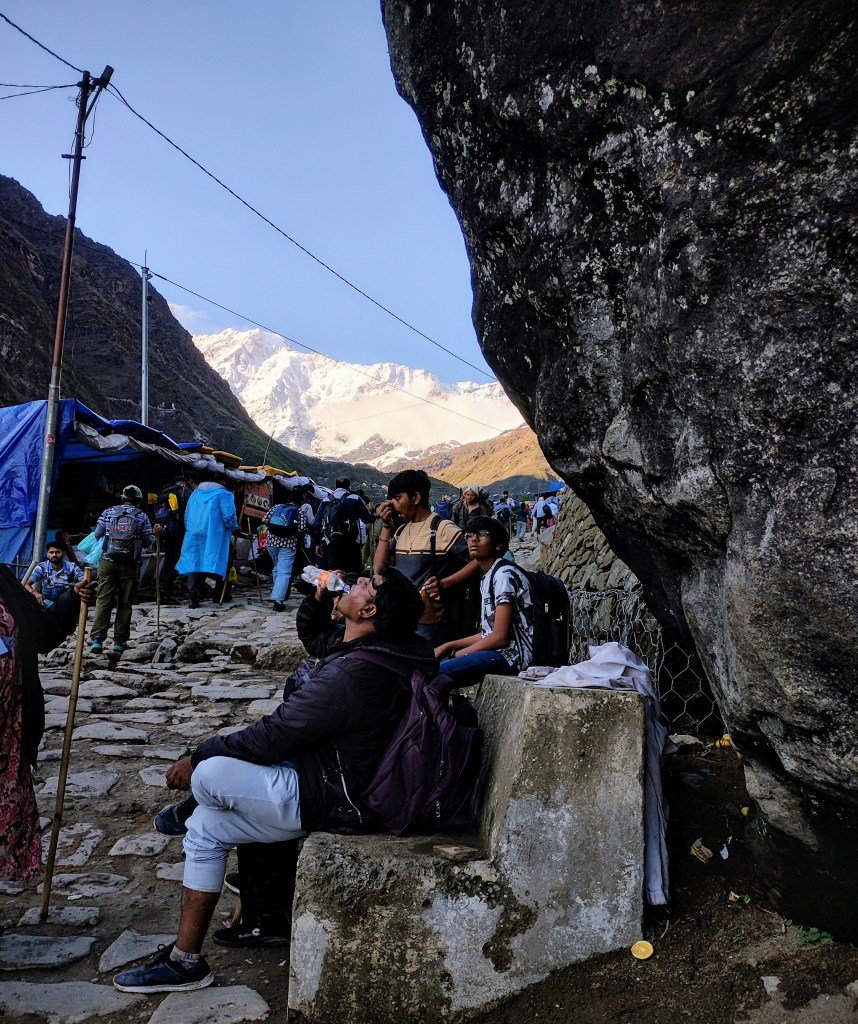

A trail of devotion where every step echoes with chants of ‘Om Namah Shivay’
The trek route is defined. Numerous makeshift toilets, eateries and medical camps are also dotted along the route. Lodging facilities are available at Bheembali and Lincholi. The major stops are Jungle Chatti, Bheembali, Choti Lincholi, Badi Lincholi and Rudra point. Sadly, Rambara, a small village on this route, was washed away in the devastating 2013 flash floods.
My husband completed the trek on foot in approximately 7.5 hours. Depending on your fitness level, the duration can vary between 7 to 10 hours. With the help of the Pitthu, I reached the base camp 1.5 hours later.
Key Trekking Tips for Your Kedarnath Yatra:
- Layer your clothing: The temperature drops sharply along the trek route, so adjust your layers with the weather. It was extremely cold at the top for us, with temperatures in the negatives.
- Stay hydrated: Drink plenty of water. Staying hydrated is paramount.
- Maintain a steady pace: Not too fast, not too slow.
- Seek medical attention: If you feel uneasy, don’t hesitate to seek immediate medical help. Remember, mountains are unforgiving.
- Stay on the path: Do not tread outside the marked route.
- Beware of horses: Be cautious of ponies and horses, and try not to walk along the edges, especially if unprotected.
Darshan at Kedarnath
Upon reaching Kedarnath, our first priority was to get our darshan token. Government counters verify your registration and issue these tokens. After a quick dinner, we settled into our twin-sharing tent, a mere 100 meters from the temple.
The next day, driven by an unyielding enthusiasm that defied the freezing temperatures, we woke up at 2:30 AM to prepare for darshan. To our surprise, prasad counters and eateries were already open. We bought flowers and sweets for offerings and safely stored our shoes at the prasad shop. By 3 AM, we were in a queue that seemed to stretch into infinity. The temple gates open at 4:45 AM, and the rush begins. Thousands of devotees, chanting the name of Shiva, create an atmosphere that is truly spiritual in every essence.
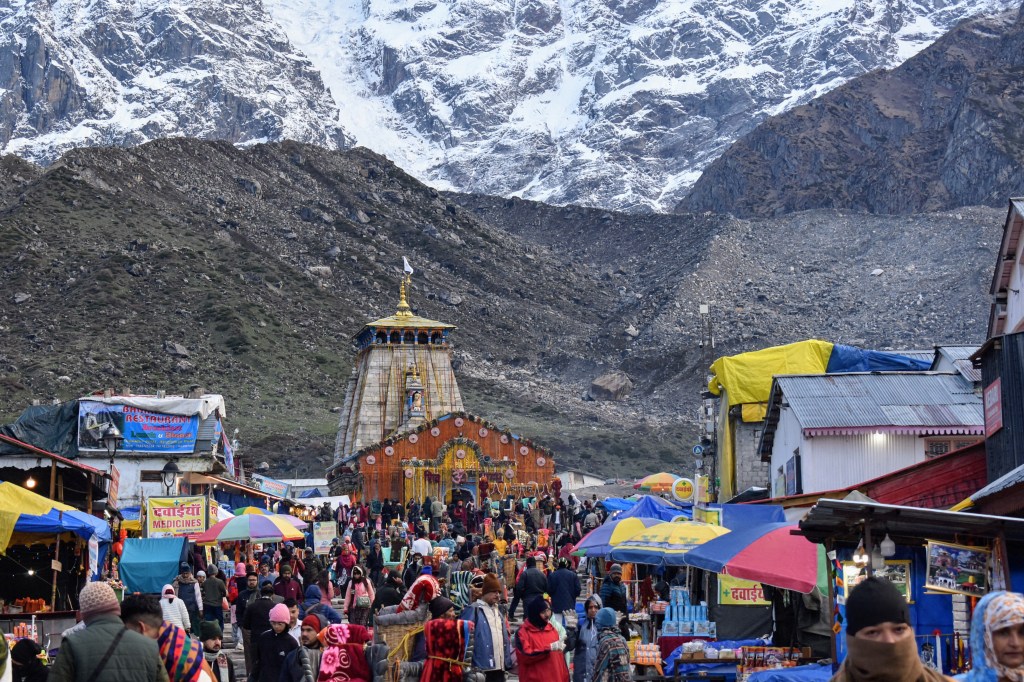
The temple itself is a marvel of rock-cut architecture, adorned with sculptures of Kaal-Bhairav at the entrance, the Pandavas, Lord Krishna, and Lord Ganesha on the lap of Goddess Parvati. Inside the sacred Garbhagriha (sanctum sanctorum), lies the idol of Kedarnath in the form of the hump of a bull.
As daylight broke, the majestic Kedar-dome, a snowy cape adorning the temple, became prominent – an absolutely incredible sight. After clicking a few photographs, we set out to explore the other significant landmarks. Our first stop was the Bhimshila, an enormous rock that miraculously protected the temple from being washed away during the 2013 flash floods.
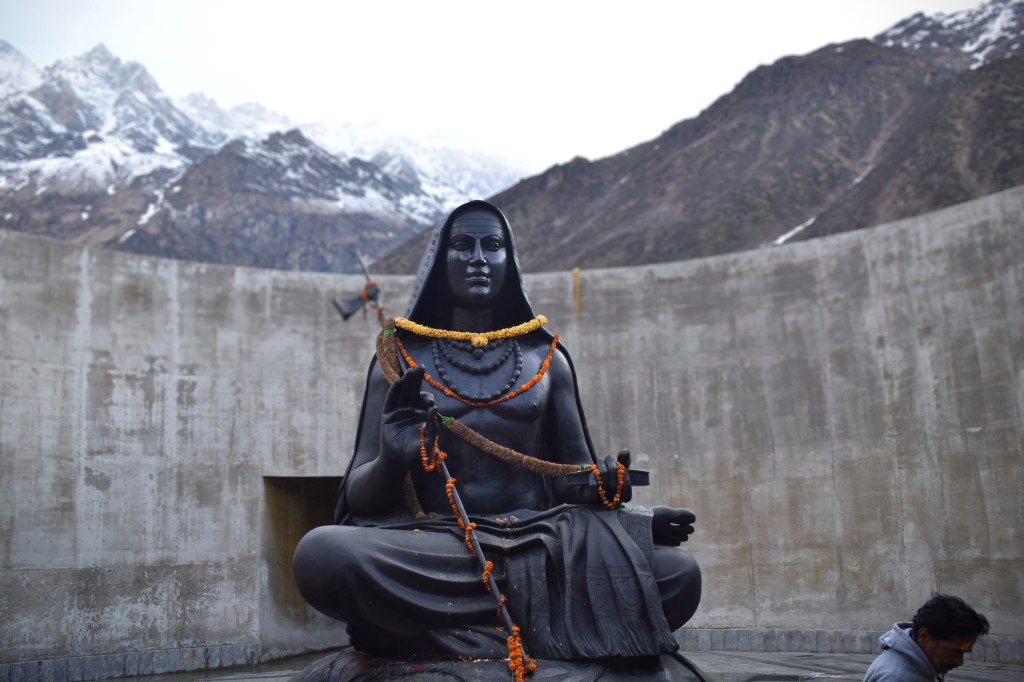
A few steps ahead is the Samadhi of Adi Shankaracharya, rebuilt in a modern architectural style. Another fascinating sight was the neatly stacked stones on either side of the pathway, perhaps indicative of the countless prayers offered by devotees.
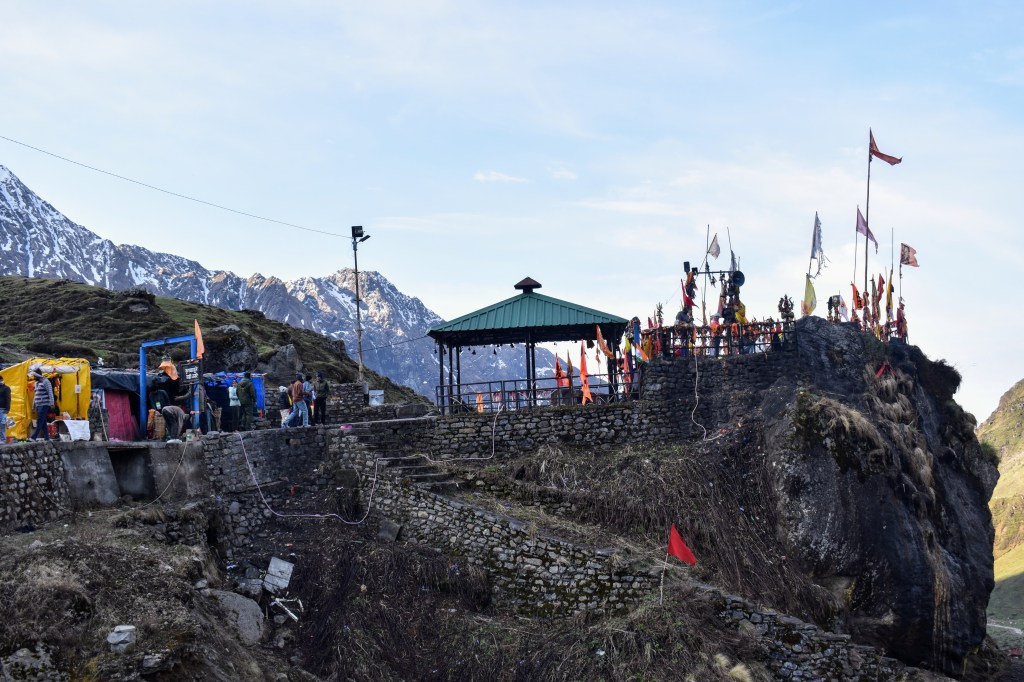
Next, we embarked on a hike of about 800 meters to the Bhairavnath Temple. Kaal-Bhairav is believed to be the protector of the Kedarnath region, and from this vantage point, you get a magnificent view of the entire valley, including the Kedarnath temple in all its glory.
After three sleep-deprived nights, our energy reserves were low, so we reluctantly decided against trekking to Chorabari Glacier and returned to our camp to prepare for departure.
The return journey
For the return journey, you can hire a Pitthu from near the temple or anywhere along the trekking route. The pony booking counter is at Ghoda Padav, roughly a kilometer down from the temple. On our way back, we hired two ponies and reached Gaurikund in a swift 3.5 hours. If you choose to walk or take a Pitthu, the descent might take up to 5 hours. Palkis typically take around 4-4.5 hours.
Where to Stay in Kedarnath?
Kedarnath offers a range of accommodations including hotels, lodges, dharamshalas, and camps. You can usually find a place to stay near the base camp upon arrival—even during peak season. However, accommodation within 300 meters of the temple fills up quickly, so advance booking is highly recommended.
We stayed at Hotel Bharatpur House (contact: +91 9412918115), a new property with all necessary amenities, well-behaved staff, and a cozy ambience. It’s highly recommended for its proximity to the temple. They offer rooms as well as double and triple sharing tents at affordable prices.
If you cannot make it in one day, you may spend the night in tents at Lincholi as well. Additionally, Garhwal Mandal Vikas Nigam (GMVN) operates guesthouses and camps at Sonprayag, Gaurikund, Bheembali, Lincholi, and Kedarnath Base Camp. You can book them online at: https://gmvnonline.com/trh-filter.php
Eating in Kedarnath: What’s Available & What to Expect
There are plenty of eateries along the trek route and in Kedarnath. However, food prices increase with altitude. You’ll find everything from dal-chawal and roti-sabzi to chowmein and momo. Personally, I found the simplicity of roti-sabzi quite satisfying.
Expect to pay around:
- ₹80 for 1 litre of packaged water near the top.
- ₹100 per paratha.
It’s advisable to carry a water bottle along with some toffees, nuts, or light snacks to keep your energy up during the trek.
Kedarnath Temple Darshan Guide
Kedarnath Trek timing:
Start your uphill trek any time between 4:00am to 1:30 pm from Guptkashi. You must cross Bheembali by 5:00 PM to continue to Kedarnath the same day.
For downhill trek, you might not be allowed to go beyond Bheembali after 6:30pm and beyond Lincholi after 5:00 pm. The trek from Gaurikund to Sonprayag is not allowed after 7:00 pm.
Kedarnath Temple Timings:
The temple generally opens at 4:30 AM and closes at 9:00 PM, with a short break from 3:00 PM to 5:00 PM.
Darshan Timings:
Free darshan is available from 5:00 AM to 3:00 PM and again from 5:00 PM to 9:00 PM. VIP darshan is available at a cost of Rs. 5000 per person.
(I have heard that entry to the Garbhagriha (sanctum sanctorum) is generally allowed till 12:00 noon. So go early.)
Puja Information:
For inquiries regarding Puja/Path/Aarti/Bhog booking and donations, you can visit https://badrinath-kedarnath.gov.in

How to Reach Kedarnath?
Bus services are available from Dehradun and Haridwar to Sonprayag, and can be a budget-friendly option for travelers. However, if you’re looking for a more comfortable journey and want to save time—especially with multiple stops along the way—hiring a private vehicle is recommended. Just be sure to check rates from different sources before finalizing your package, so you can negotiate a fair deal.
We arranged our vehicle through Doon Travels (+91 63984 85008), a Dehradun-based travel agency. They helped with itinerary planning and provided a professional driver and well-maintained car for the trip. Even with a delayed flight, the driver was accommodating and ensured we covered most of our route without major changes. Pricing was fair, and overall, the service made our travel smoother.
Presently there are two ways to reach Kedarnath from Sonprayag:
1. Trek Route Sonprayag → Gaurikund
From Sonprayag, shared taxi service is available to take you to Gaurikund, the start of the trek.
Trek options:
- Horses or ponies: these transfer you from Ghoda padav, Gaurikund to Ghoda Padav, Kedarnath. Government rates for 2025: uphill ride at Rs. 3500 per person and downhill ride at Rs. 2500 per person. However, you still have to bargain to get a deal because of high demand.
- Palkis: These are palanquins carried by four men and are considered the most comfortable mode of transport for the Kedarnath trek. However, they are also the most expensive. Charges vary based on the pilgrim’s weight and the distance covered.
- Pitthus: A Pitthu is a porter who carries individuals—typically children or lightweight adults—in a specially designed basket on their back. Rates are negotiable and depend on the passenger’s weight. For reference, I weigh under 50 kg and paid ₹4,500 for an ascent ride. If you’d like a reliable Pitthu, the contact number of the porter I hired is +91 90450 36636.
2. Helicopter Route
Helicopter services are also available for those who prefer to avoid the long exhaustive trek.
Kedarnath Yatra Helicopter Booking Tips
In 2023 I made a failed attempt to reach Kedarnath by helicopter. Based on that experience, I would like to offer Some key information regarding helicopter service:
- Book helicopter only through the official website: https://heliyatra.irctc.co.in or directly at the helipad. Beware of fraudsters. Don’t fall prey to any offers of getting helicopter tickets by any agency or from any other website.
- Yatra registration is mandatory.
- Passengers (with or withour infants below 2 years) weighing over 80 kg may be charged ₹150/kg extra.
- Carry only one bag per person. Check for baggage weight limits with your operator.
- Reach the helipad at least 1 hour before departure. Late arrivals may forfeit their booking.
- Services are weather-dependent; cancellations result in a refund minus processing fees.
- If you miss your return flight, you may need to descend on foot.
- Operations run in two phases: Morning: 6:00 AM – 10:00 AM (same-day return); Afternoon: 2:00 PM – 6:00 PM (return next morning)
- Same-day return pilgrims usually get only 2 hours for Darshan. Booking VIP darshan is advised. Priority darshan slips are issued at helipads.
- Helicopter departure points: Phata, Guptkashi, Shersi, Sitapur, and Dehradun (Dehradun service is much costlier).
- The Kedarnath helipad is 500 meters from the temple.
- Carry warm clothes, even if using helicopter—weather can change rapidly.
Important Contact Numbers for Your Yatra: Yatra Control Room: 01364-297878 and 01364-297879 ; Kedarnath Heli Help Line: +91 98709 63731; or visit https://rudraprayag.gov.in/kedarnath-yatra-2/ for other important office contacts.
Best time to visit Kedarnath
The ideal time to visit Kedarnath is:
- Pre-monsoon (May – mid-June): Snow-covered peaks, brisk weather.
- Post-monsoon (September – October): Clear skies, crisp air, and occasional snow.
Avoid traveling during the monsoon season (mid-June to August) due to landslides and unpredictable weather.
Kedarnath Tour Itinerary
Here’s a sample itinerary to help you plan your spiritual journey:
* Day 1: Arrive at Dehradun/Haridwar.
* Day 2: Travel to Sonprayag/Gaurikund. En route, make sure to visit Devprayag, the confluence of the Alaknanda and Bhagirathi rivers, forming the sacred Ganges.
* Day 3: Offer prayers at Gauri Mata Temple in Gaurikund and begin your trek to Kedarnath.
* Day 4: Kedarnath sightseeing (Bhairavnath Temple, Shankaracharya Samadhi, Bhimshila, Chorabari Glacier (optional)). Return to Sonprayag/Gaurikund.
* Day 5: Proceed to your next destination or return to Dehradun/Haridwar. En route, you can visit the Dhari Devi Temple in Rudraprayag, as we did for a spiritual start to our day.
* if you have an extra day, Visit Triyuginarayan Temple (site of Lord Shiva’s celestial wedding) and Kalimath (one of the 108 Siddha Peeths).

Additional information on Kedarnath Yatra
With BSNL and Airtel connections, we didn’t face significant network issues during our trip. Mobile coverage is generally strong at Kedarnath top, though you may experience weak or no signal at certain stretches along the trek route. Free wifi service is also available at Jungle Chatti, Bheembali, lincholi and Kedarnath.
Final Thoughts
The Kedarnath Yatra is more than just a trip; it’s an experience that leaves an indelible mark on your soul. It’s a journey of self-discovery, spiritual awakening, and an unparalleled connection with the divine amidst the breathtaking beauty of the Himalayas.
Please refrain from littering, and treat the sacred space with the respect it deserves.
May your path be blessed with peace and strength. Om Namah Shivay!


 Ayantika Malakar
Leave a comment