
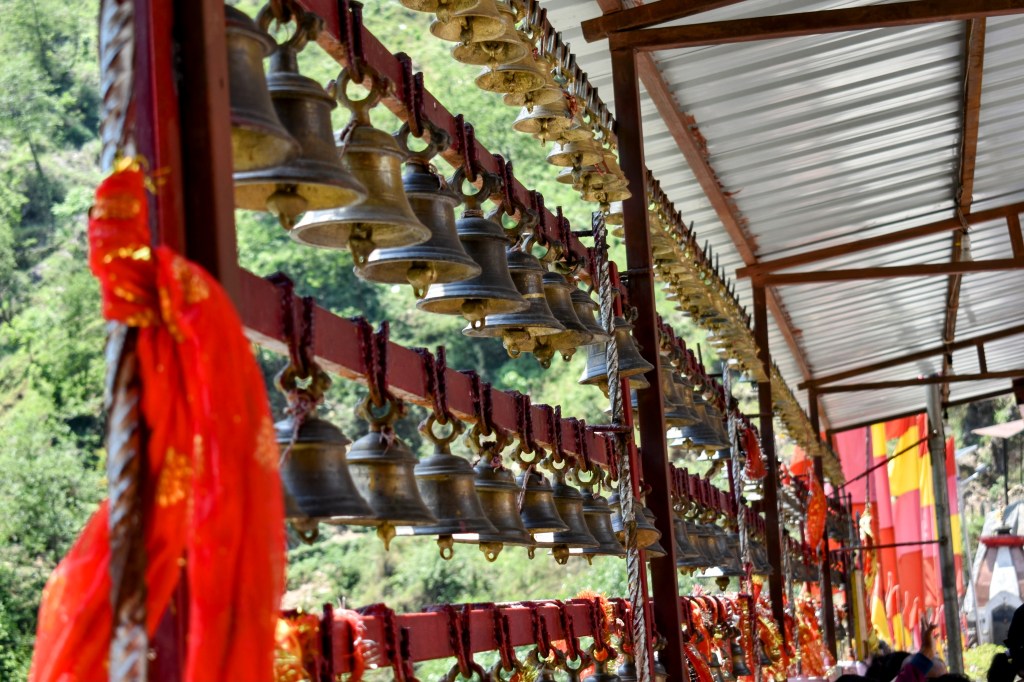
When it comes to spiritual journeys in India, Uttarakhand is often referred to as “Devbhumi” — the Land of the Gods — and rightly so. Every Indian is familiar with the Chota Char Dham and the Panch Kedar, but there’s so much more to explore beyond the most traveled paths. This blog is a personal recounting of some of the iconic and spiritually significant temples in Uttarakhand that I had the opportunity to visit, each offering a unique blend of devotion, history, and breathtaking natural beauty.
Temples of Garhwal Region
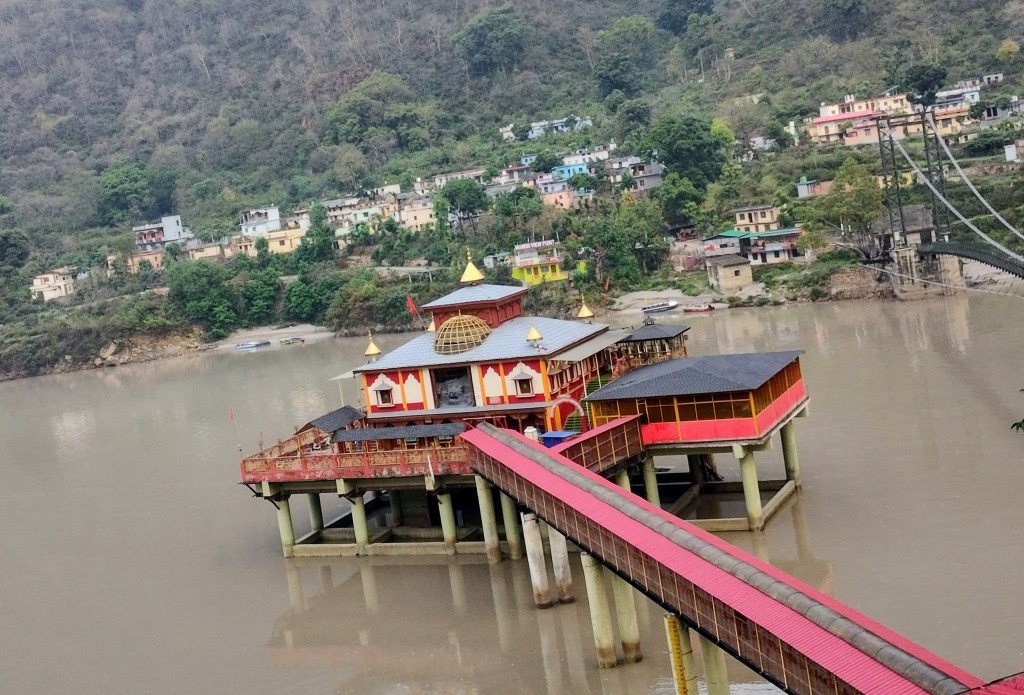
1. Dhari devi temple
Perched dramatically in the middle of the Alaknanda River near Kalyasaur village (on NH55 between Srinagar and Rudraprayag), Dhari Devi Temple is the abode of uttarakhand’s guardian goddess. Dedicated to Goddess Kali, this siddha peeth emanates an undeniably powerful and peaceful aura. Locals believe that the deity mysteriously changes appearance throughout the day, transforming from a young girl to a woman and then an old lady.
Why it’s worth a visit: Legend says villagers discovered the idol after a flood and were divinely instructed to install it there. She has been worshipped ever since as the protector goddess of Uttarakhand and guardian of the Char Dhams. The temple gained tragic prominence in 2013 when the original idol was moved for a hydroelectric dam project. Hours after its relocation on June 16, 2013, the devastating North India floods struck, leading many to believe it was the Goddess’s wrath at being shifted from her ‘mool sthan’ (original abode). Regardless of belief, the powerful presence of Dhari Devi leaves a lasting mark on your mind.
* Darshan Timings: Morning: 6:00 AM to 12:00 PM; Evening: 2:00 PM to 7:00 PM
* Ideal for: A spiritual stop during your Char Dham Yatra.
2. Kalimath Temple
Located at a height of 1800 meters on the banks of the Saraswati River (different from the Saraswati river of Mana village) in Rudraprayag district, Kalimath Temple is another of India’s 108 Shakti Peeths, according to the Skanda Purana and Devi Mahatmya (part of the Markandeya Purana). Interestingly, the lower half of the Devi worshipped at Dhari Devi is said to be contained here. Uniquely, Goddess Kali is worshipped as her Sri Yantra, not as an idol. Also making it a rare, perhaps it is the only shrine that worships Goddess Lakshmi and Goddess Saraswati together with Maa Kali.

Why it’s worth a visit: This village, believed to be the birthplace of the famous Sanskrit poet Kalidas, offers a serene escape from crowded pilgrimage sites. As both a Siddha Peeth and a Shakti Peeth, it is a must-visit for deep spiritual seekers. According to the Markandeya Purana, Goddess Durga took the fierce form of Kali here to eradicate the demon Raktbeej. After slaying him, Goddess Kali is believed to have disappeared into a ditch at this very spot, which is now the main worship area. The ditch is covered by a silver plate, opened only once a year during the Navratri festival, adding to its mystique.
* Darshan Timings: 6:00 AM to 1:00 PM, 2:00 PM to 8:00 PM
* Ideal for: A serene and powerful spiritual experience during your Kedarnath Yatra or while visiting Guptkashi or Ukhimath.
3. Vishwanath Temple, Guptkashi
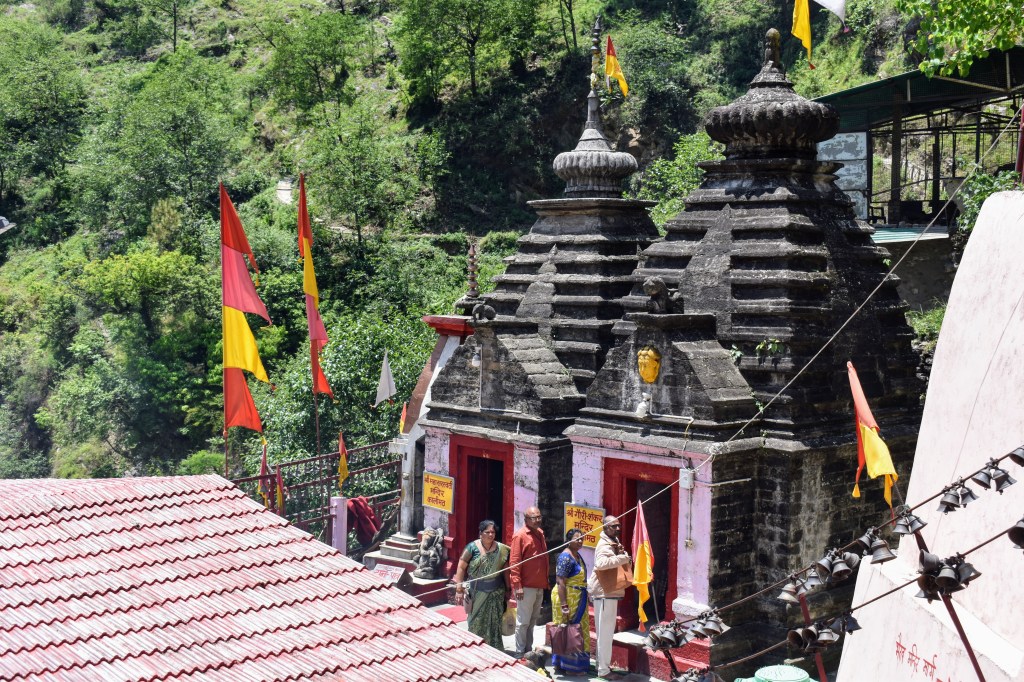
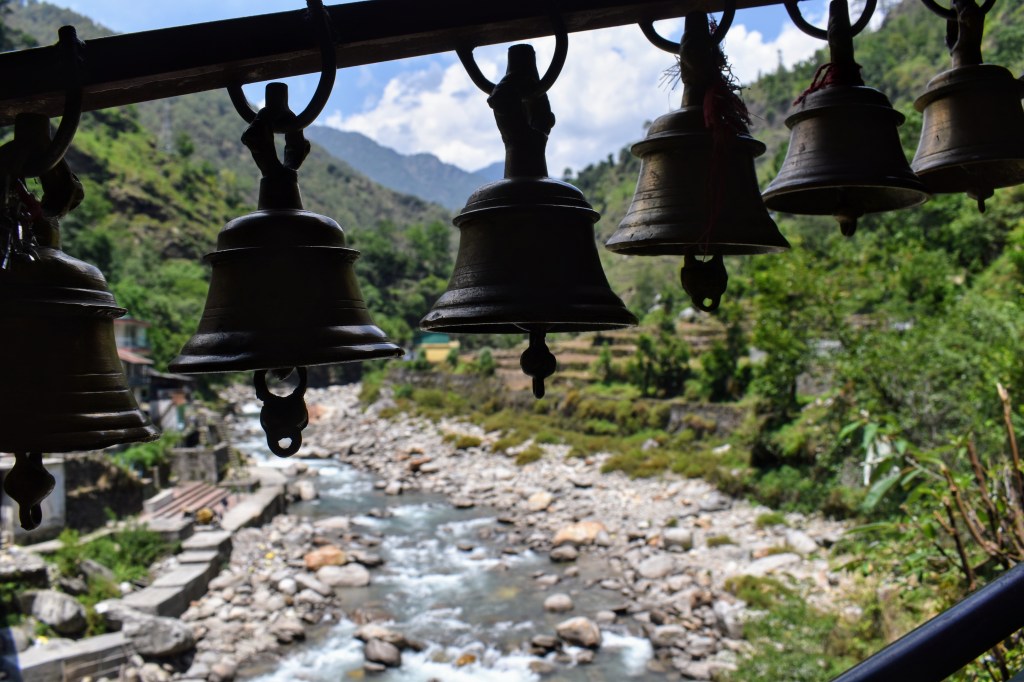
The Vishwanath Temple is the main temple in Guptkashi, dedicated to Lord Shiva as Vishwanath, the Lord of the Universe. This ancient stone structure, resonating with divine energy, is often called the ‘Kashi of the North’ due to its spiritual connection with Kashi Vishwanath.
Why it’s worth a visit: Legend traces its roots back to the Mahabharata era, when the Pandavas sought Lord Shiva for redemption. Shiva, to avoid them, is believed to have hidden here in the form of a bull. Hence, the idol worshipped here resembles the hump of a bull. Within the temple precinct lies the Manikarnika Kund, where streams of the Ganga and Yamuna are said to meet – the Yamuna from a ‘gomukh’ (cow’s mouth) and the Ganga from an elephant’s trunk. The local villages use this water for drinking.
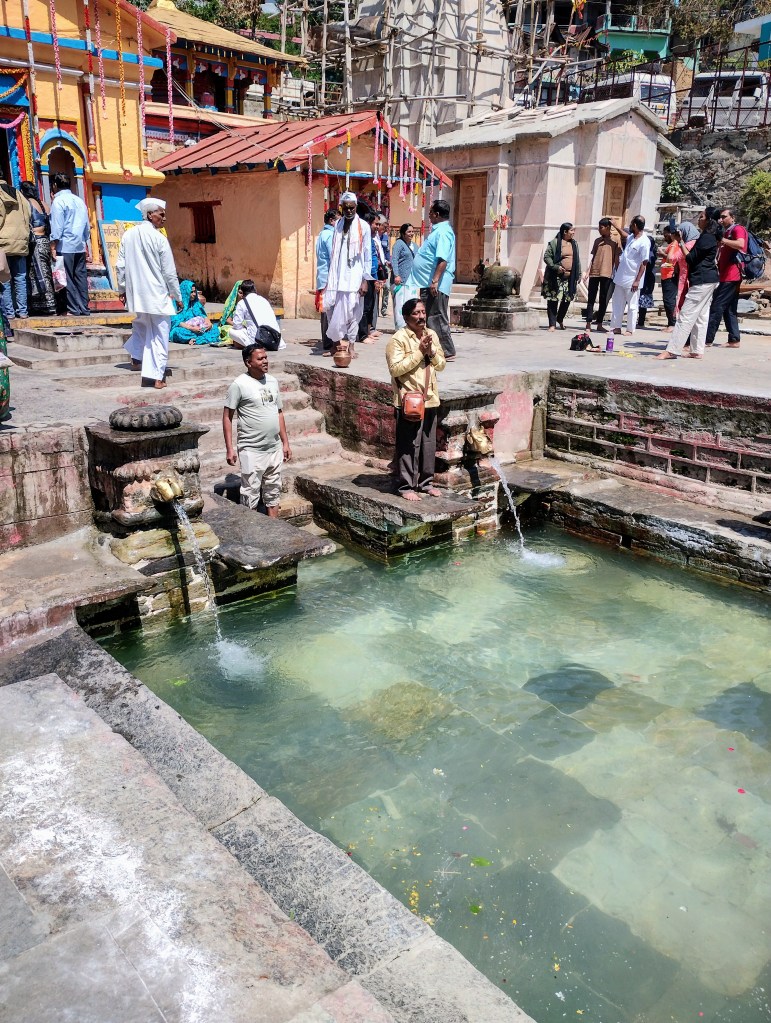
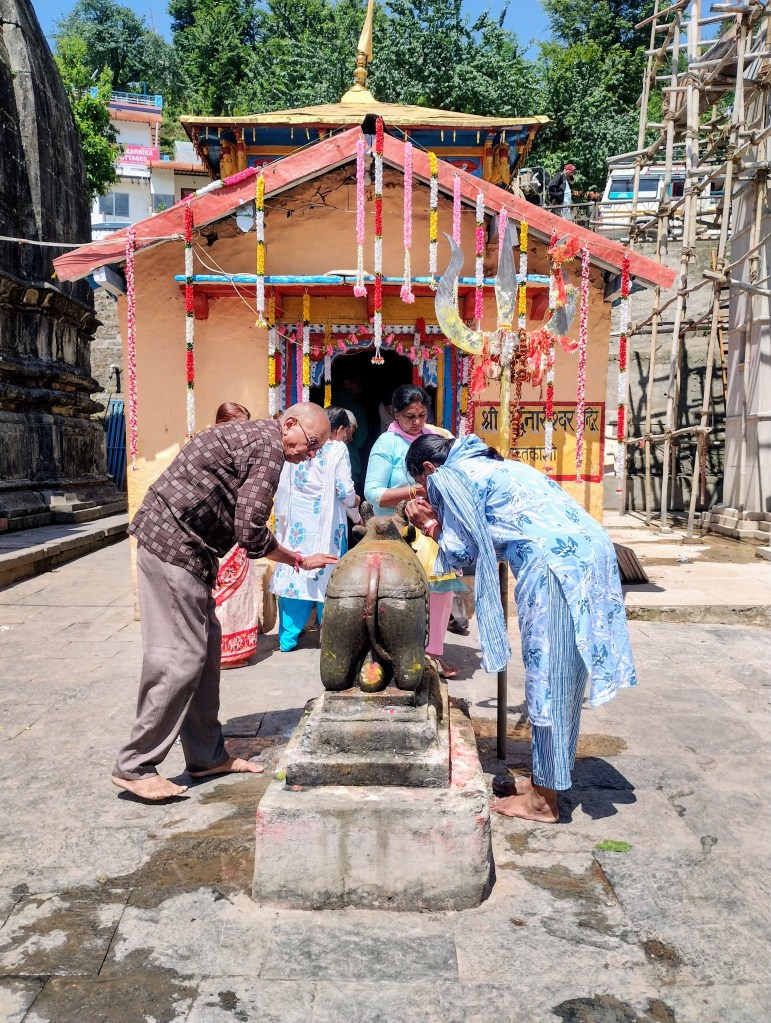
Situated beside Vishwanath Temple, the Ardhanarishwar Temple celebrates the union of Lord Shiva and Goddess Parvati, embodying the harmonious blend of masculine and feminine energies.
* Darshan Timings: Morning: 6:00 AM to 12:00 PM; Evening: 2:00 PM to 9:00 PM
* Ideal for: A sacred pause on your Kedarnath pilgrimage, offering a deep dive into Shiva’s mysticism.

4. Triyuginarayan temple
This magnificent temple, nestled in the village of Triyuginarayan, shares an architectural resemblance to the Kedarnath temple. The wedding between lord Shiva and Parvati is believed to have taken place in this temple. Its name, derived from “Tri” (three), “Yugi” (eras or Yugas), and “Narayan” (Lord Vishnu), signifies its connection to three major Hindu mythological epochs – Satya Yuga, Treta Yuga, and Dwapar Yuga.
Why it’s worth a visit: What truly sets Triyuginarayan temple apart is its eternal flame, which has been continuously burning in its courtyard across these three Yugas. This sacred flame, located in a special ‘Havan-kund,’ is believed to have been lit during the celestial wedding of Lord Shiva and Goddess Parvati in the Satya Yuga, officiated by Lord Vishnu, with Brahma as the priest. The ‘Brahma Shila’ stone commemorates the exact wedding spot. Before the wedding, gods are believed to have immersed themselves in three sacred ponds – Rudra-kund (For Bathing), Vishnu-kund (For Cleansing) and Brahma-kund (For Sipping) – which get their water from Saraswati-kund, believed to originate from Lord Vishnu’s navel. These waters are considered special, even said to help cure infertility. Pilgrims offer wood to the eternal fire, and its ashes are believed to promote conjugal bliss.
* Darshan Timings: 6:00 AM to 8:00 PM
* Ideal for: A meaningful diversion from Sonprayag during your Kedarnath trip.
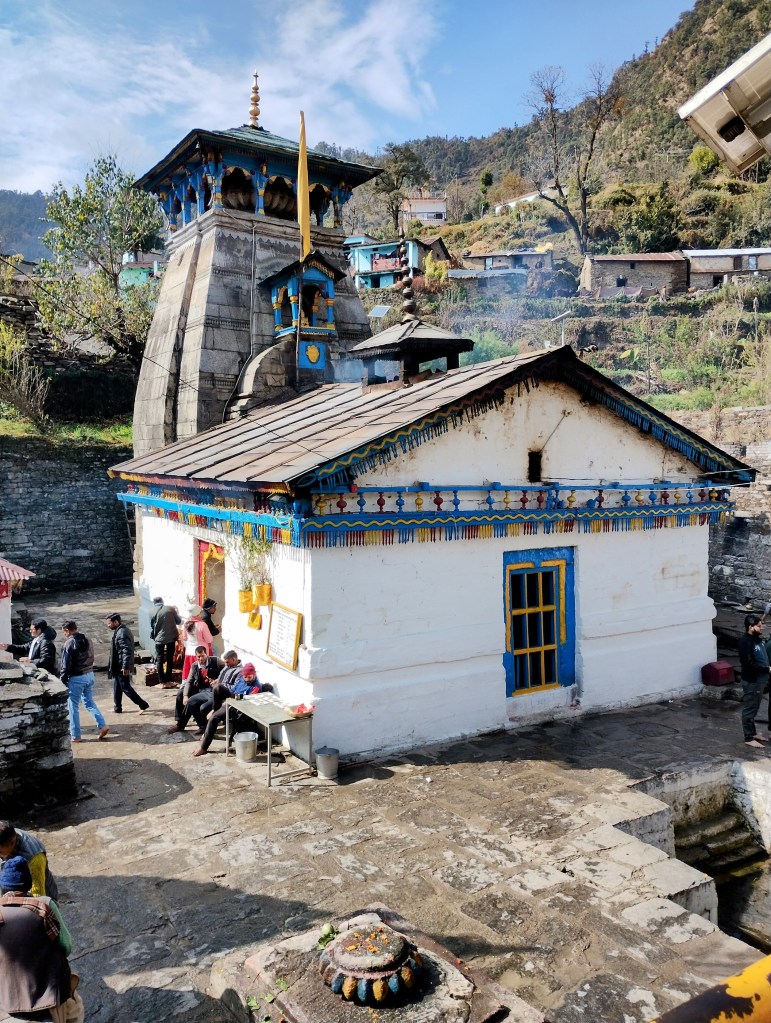
5. Gauri Mata temple, Gaurikund
The sacred village of Gaurikund is not just the starting point of the Kedarnath trek; it’s a place steeped in profound mythological significance. This is where Uma is believed to have transformed into Goddess Parvati, the awakened embodiment of Shakti.
Why it’s worth a visit: Legend holds that Goddess Parvati undertook rigorous ascetic penances at its sacred pond, Gaurikund (after which the village is named), to gain Lord Shiva as her husband. They later married at Triyuginarayan Temple. Another legend states that Devi Parvati created Lord Ganesha here from the bubbles of her body. It is considered highly auspicious to take the blessings of Gauri Mata at this temple before commencing your arduous Kedarnath trek, ensuring a blessed journey.
* Darshan Timings: Morning: 5:00 AM to 12:00 PM; Evening: 2:00 PM to 9:00 PM
* Ideal for: The essential first spiritual stop for all Kedarnath pilgrims.
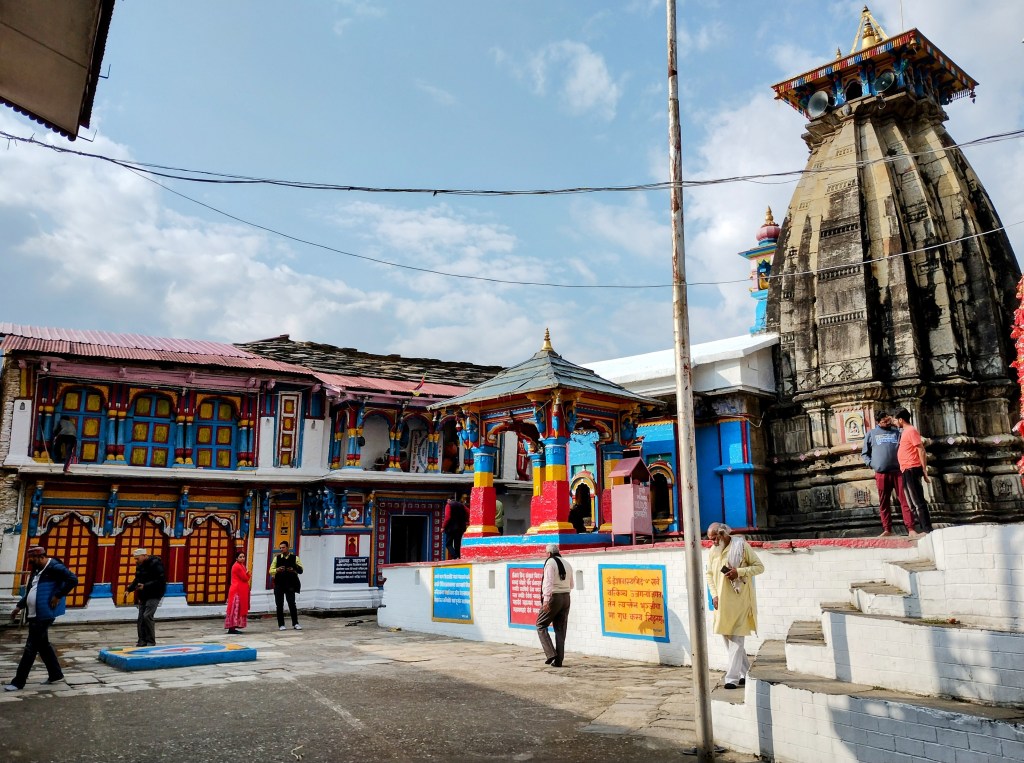
6. Omkareshwar temple, Ukhimath
The Omkareshwar Temple at Ukhimath serves as the winter home for the deities of Kedarnath and Madhmaheshwar during the peak winter months when their main shrines are inaccessible due to heavy snowfall. According to folklore, Usha, daughter of Banasur, once lived here, lending Ukhimath its name.
Why it’s worth a visit: Ukhimath is dotted with temples dedicated to Usha, Shiva, Parvati, Aniruddha, and Mandhata. This temple is particularly significant as it is the winter abode of Kedarnath. An architectural marvel built in the traditional Nagara style of North India, it showcases intricate carvings and sculptures that reflect the artistic brilliance of a bygone era.
* Darshan Timings: Morning: 5:00 AM to 12:00 PM; Evening: 4:00 PM to 9:00 PM
* Ideal for: A key spiritual stop, especially if visiting during winter, or as part of your Guptkashi/Chopta region exploration.
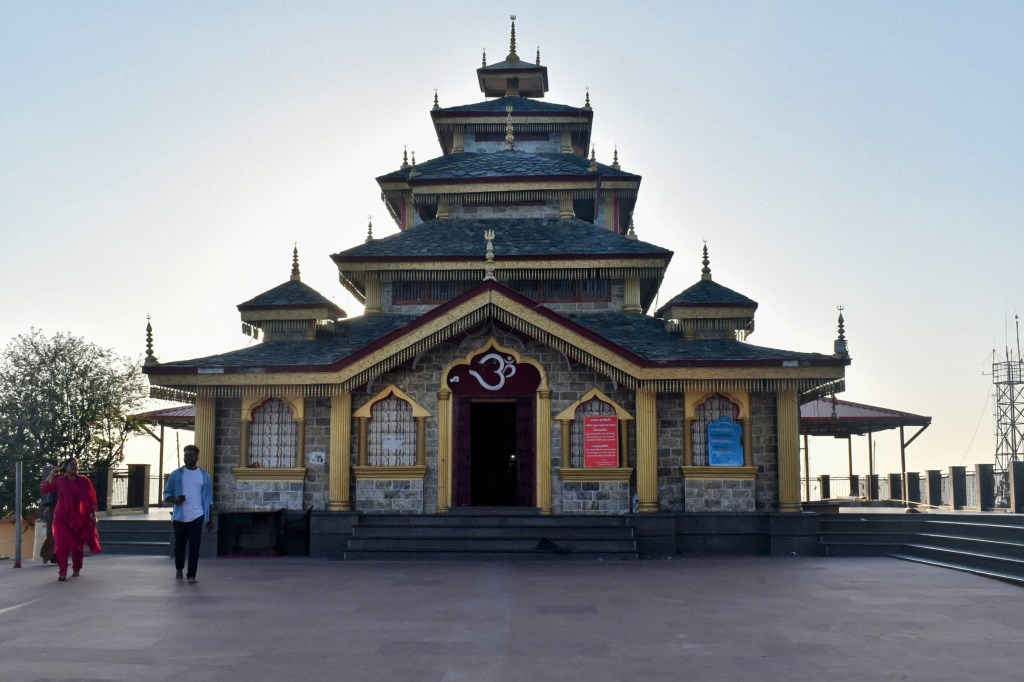
7. Surkanda devi temple
Perched at an altitude of about 9,041 feet near Dhanolti in the Unniyal Village of Tehri district, Surkanda Devi Temple is one of India’s 51 Shaktipeeth temples. Surrounded by dense forests, the temple marks the sacred spot where Goddess Sati’s head fell.
Why it’s worth a visit: This site reverberates with intense spiritual magnetism, perfectly complementing the aesthetic wonder of the hills and dense forests. The trek to the temple (about 3 km from Kadukkhal village) is incredibly scenic, offering panoramic views of the Himalayan range. What makes it even more accessible now is the ropeway service, inaugurated in 2022, making the climb much more convenient. From the top, you can truly breathe in the sacred air and enjoy stunning vistas. The Ganga Dussehra festival is a major celebration here, beginning on the first day of Jyeshtha and lasting ten days.
* Darshan Timings: Summer (April-Oct): 5:00 AM to 7:00 PM; Winter (Nov-Mar): 7:00 AM to 5:00 PM
* Ropeway Timings: Typically 9:00 AM to 5:00 PM (subject to weather).
* Ideal for: A breathtaking spiritual detour during your Kanatal, Dhanolti, or Mussoorie trip.
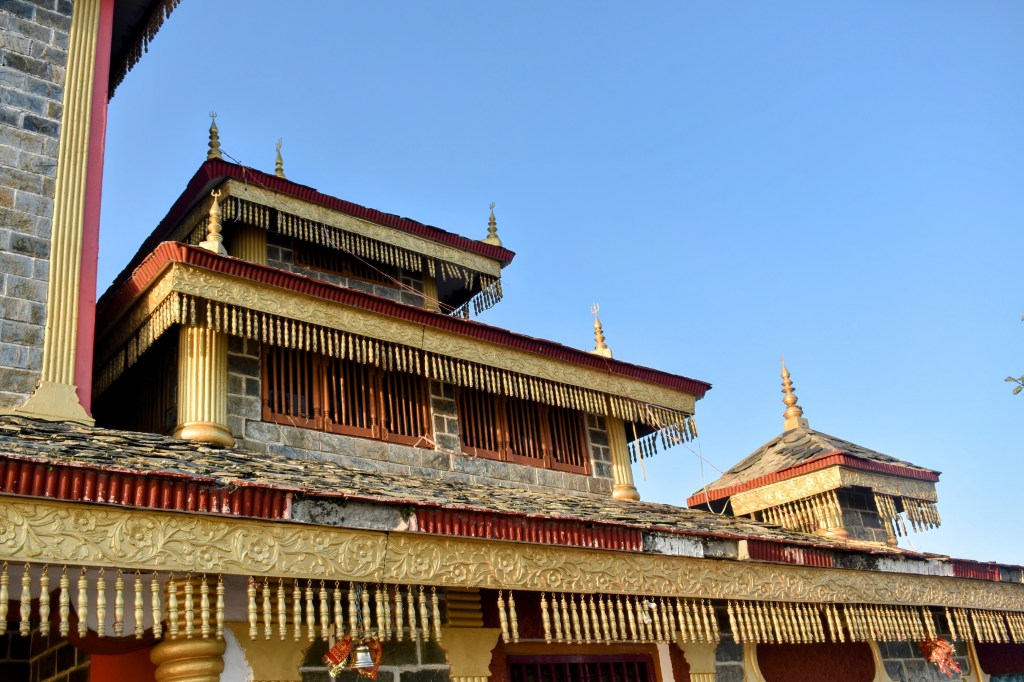
8. Narsingh Mandir, Joshimath
Famous as a part of Sapt Badri, Narsingh Temple, also known as Narsingh Badri Temple, is a sacred place in Joshimath. The deity here is the fourth incarnation of Lord Vishnu, Narsimha Avatar, in the form of half-lion and half-man.
Why it’s worth a visit: Believed to have been constructed by Sri Shankaracharya, this temple holds immense religious importance. The idol of Lord Narasimha, carved from Shaligram stone, is shrouded in a captivating prophecy: its left arm is mysteriously shrinking over time. Local belief holds that once this arm completely disappears, the main Badrinath Temple will become inaccessible, marking a significant event (some believe, the end of Kalyug). Pilgrims would then worship Lord Badrinath in the temple of Bhavishya Badri. This unique and mystical element makes the Narsingh Mandir a compelling visit, connecting devotees to ancient prophecies and the grandeur of Vishnu’s avatars. It also serves as the winter home for the idol of Badri Vishal, further cementing its importance.
* Darshan Timings: 5:00 AM to 8:30 PM
* Ideal for: A crucial spiritual stop in Joshimath, especially for pilgrims on the Badrinath route.
Temples of Kumaon Region
9. Mukteshwar temple
Holding back a 350-year-old heritage, the Mukteshwar Temple in Mukteshwar town, Nainital, is dedicated to Lord Shiva. Legend says the Pandavas built this temple during their 12-year exile.
Why it’s worth a visit: The name ‘Mukteshwar’ itself means ‘salvation’ or ‘liberation of the soul.’ Lord Shiva is worshipped here as the God of Liberation. Mythology tells of Shiva granting salvation to a demon he slew at this spot. Devotees believe that sincere prayers here fulfill desires. The temple houses idols of Lord Vishnu and Lord Brahma alongside a white marble Shiva Linga, and is considered one of the 18 most important Shiva temples worldwide. Beyond its spiritual draw, Mukteshwar offers unspoiled natural beauty, with mesmerizing views of sun-kissed mountain peaks including Nandakot, Nanda Ghunti, Trishul, and India’s second-highest peak, Nanda Devi. The dense forests are perfect for nature walks and bird watching.
* Darshan Timings: 5:00 AM to 7:30 PM
* Special Feature: A nearby formation called Chauli Ki Jali (‘Chauli’ means rock and ‘Jali’ means hole) is believed to grant fertility blessings to any childless women who pass through its crevices. Legend has it that the saint Gorakhnath passed through the rocks by cutting holes with his divine weapon. This natural rock formation provides a breathtaking vantage point to watch the sun set over the horizon. It’s also a favored spot for rock climbing enthusiasts.
* Ideal for: A serene spiritual stop on your way to Binsar Wildlife Sanctuary from Bhimtal/Nainital, or as part of a Nainital Kumaon tour.

10. Bagnath Temple, Bageshwar
Baghnath, literally meaning ‘Tiger Lord,’ is the temple after which Bageshwar city is named. Standing majestically at the confluence of the rivers Gomti and Saryu, this large temple is dedicated to Lord Shiva as Bageshwar or Vyagreswar. The complex is home to a cluster of other prominent temples including Bhairav, Dattatrey Maharaj, Ganga Mai, Hanuman, Durga, Kalika, and Vaneshwar temples.
Why it’s worth a visit: While erected by Kumaon king Laxmi Chand around 1450 A.D., some sources trace its existence back to the 7th Century, deeply intertwined with the legend of Baba Markandeya. It is said that Lord Shiva, pleased with Markandeya’s penance, appeared here in the form of a tiger to bless him. The temple complex is a vibrant spiritual hub, especially during the annual Shivratri and Makar Sankranti festivals, when the town hosts the grand Uttarayani Mela.
* Darshan Timings: 5:00 AM to 8:00 PM
* Ideal for: A culturally rich spiritual stop on the route between Munsiyari and Kausani.
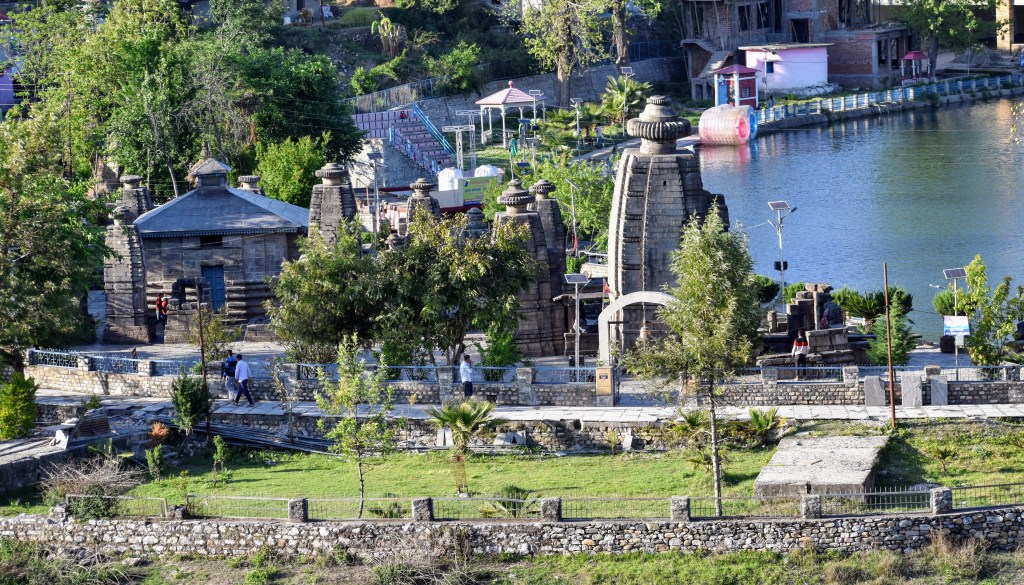
11. Baijnath temple, Bageshwar
The Baijnath Temple Complex is an impressive cluster of 18 Hindu temples situated on the left bank of the Gomti river in the town of Baijnath. With 102 stone images, some still worshipped and others preserved by the Archaeological Survey of India, it’s a treasure trove of ancient artistry. The principal deities include Vaidyanath (Shiva), Parvati, Nritya Ganapati, Karttikeya, and more. Built by the Katyuri kings, this complex served the followers of esoteric Shaiva sects.
Why it’s worth a visit: A true highlight is a captivating standing statue of Goddess Parvati, crafted from grey schist and adorned with a unique crown of 26 miniature images. Local folklore says Lord Shiva and Parvati’s wedding took place here, blessing the land, and that the temples were constructed in a single night. Despite being plundered by Rohillas in 1743-1744 CE, its historical and spiritual significance endures, offering a glimpse into the rich religious tapestry of Uttarakhand.
* Darshan Timings: Summer: 5:00 AM to 7:00 PM; Winter: 6:00 AM to 6:00 PM
* Ideal for: A profound historical and spiritual exploration very close to Kausani.
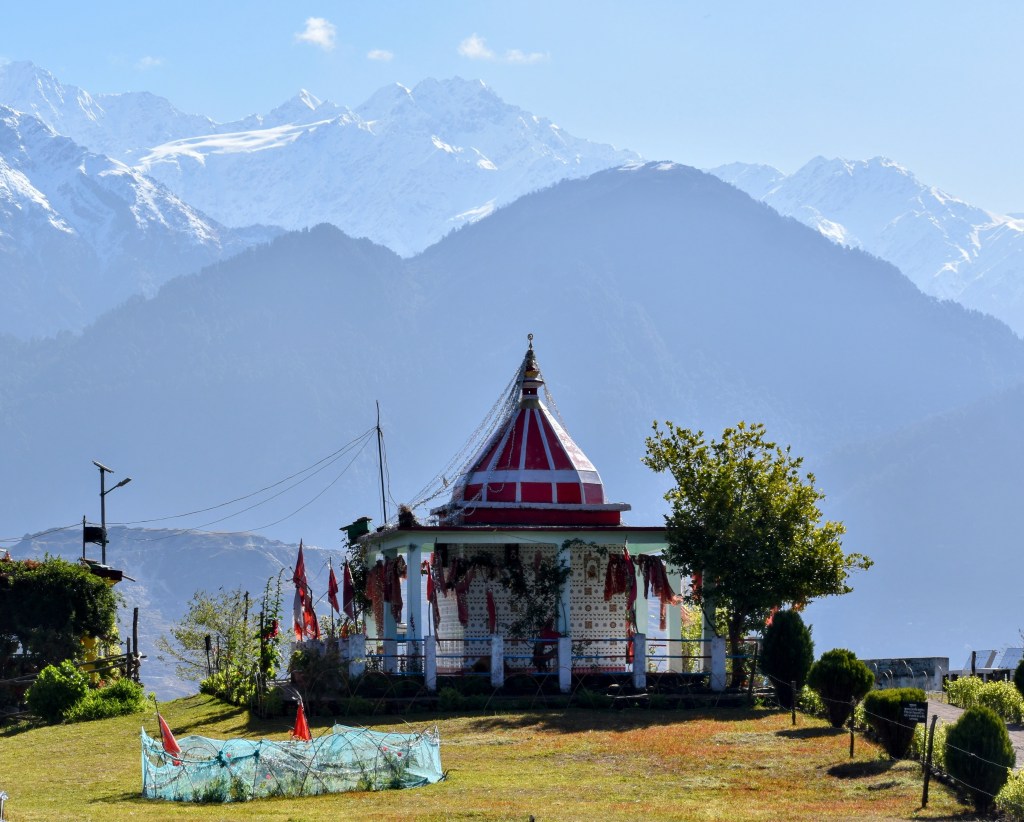
12. Nanda Devi Temple, Munsiyari
Located atop a hillock in the enchanting hill station of Munsiyari (Pithoragarh district), this austere temple is dedicated to Nanda Devi.
Why it’s worth a visit: The breathtaking beauty of the Panchchulli peaks from the mountain top upon which the temple is built truly elevates one’s heart. This temple is famed for its spectacular views of the surrounding Himalayan peaks and its atmosphere of spiritual tranquility, making it an excellent pilgrimage spot for those seeking solace and peace of mind amidst stunning natural beauty. The temple also hosts the significant Nanda Devi Fair, a 5-day festival held annually in September around Nandashtami, showcasing the vibrant folk traditions and culture of the Kumaon region.
* Darshan Timings: 6:00 AM to 7:00 PM
* Entry Fee: Rs. 20/-
* Ideal for: A serene and picturesque spiritual experience while visiting Munsiyari.


 Ayantika Malakar
Leave a comment