
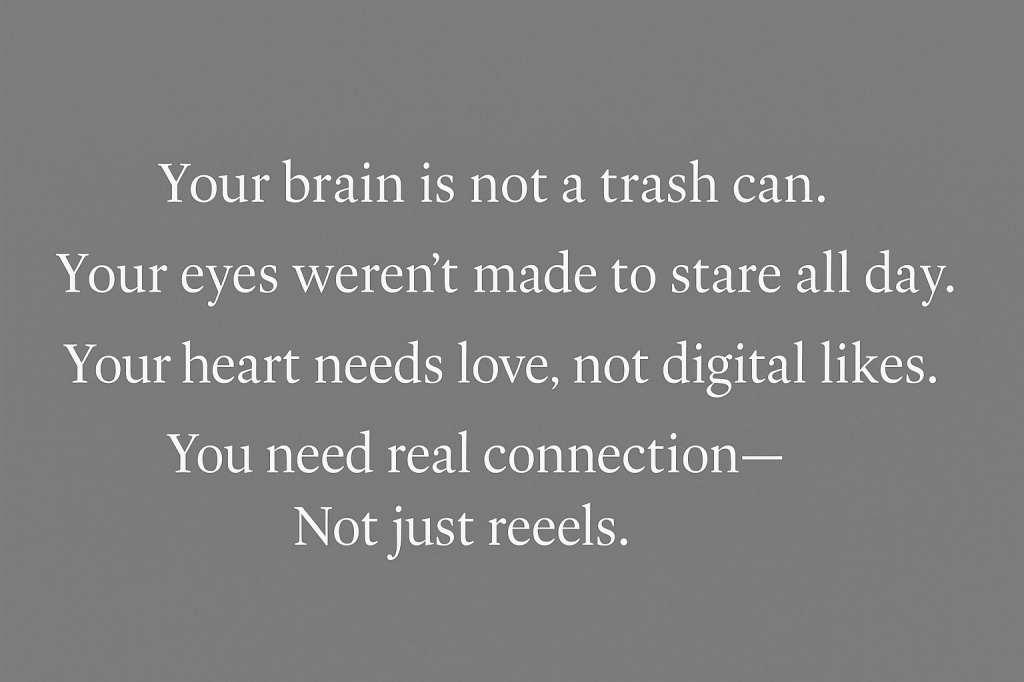
Ever picked up your phone to send one quick message—and 45 minutes later, you’ve watched five prank videos, one crime document summary, saved three travel reels, and shared two memes… but completely forgot why you had opened the app?
Yeah. We’ve all been there.
Social media today is less about staying connected and more about staying hooked. What started as a tool has quietly turned into a trap. We consume hundreds of thousands of words, images, videos, and stories per day—many of which we don’t consciously choose. Social media platforms are designed to keep us engaged, and without realizing it, we’re letting our minds absorb it all like a sponge. The result? We feel drained, distracted, and disconnected from what really matters. We become anxious, forgetful and honestly, a bit lonely too.
In a world obsessed with speed, connectivity, and endless scrolling, pausing to reflect on our digital habits is not a luxury—it’s a necessity. From breaking news alerts to algorithm-driven content loops, our devices feed us a constant stream of information, much of it curated to grab attention, not to nourish understanding. Amid this noise, mindful consumption of data and social media emerges as a radical, empowering act.
Why Mindful Consumption Matters
I’m not saying social media is evil. Far from it. After all, where else would we find adorable dog videos, impractical food hacks we’ll never try, and that one tweet that perfectly captures our feelings?
However, social media is often more illusion than reality. From viral cooking videos where veggies magically chop themselves to dangerous stunts done for likes—its a highlight reel, not real life. Its time we recognize it for what it is.
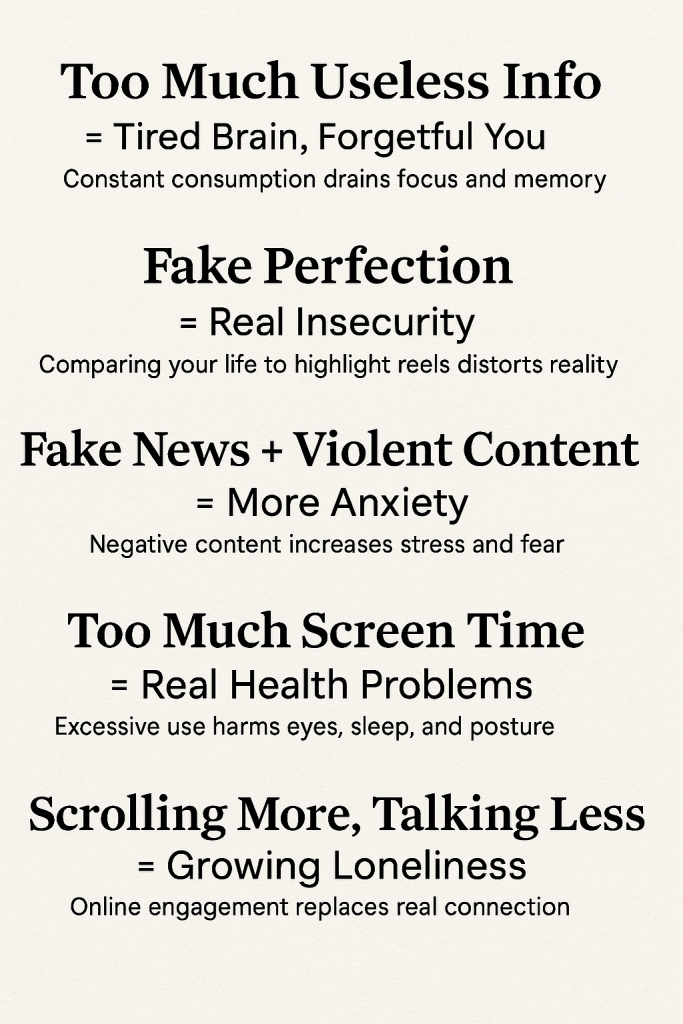
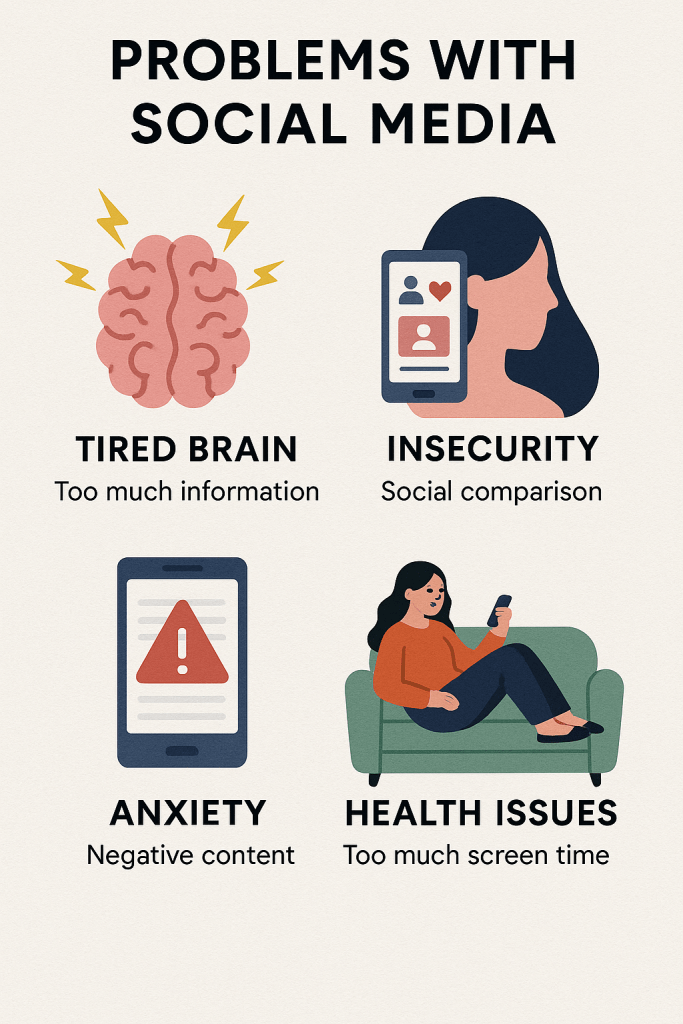
1. Too Much Useless Info = A Tired Brain & A Foggy Memory
Every time you scroll, your brain is working overtime. You might not notice it—but your brain feels it. Remember when you just wanted to Google “best blenders under Rs. 500” and somehow ended up on Reddit, defending your smoothie opinions to strangers? That’s digital drift and it’s a real thing.
You scrolled through 17 memes, 3 cooking hacks, 2 celebrity fights, and now can’t remember where you kept your house keys. That’s not aging—it’s information overload. It’s like forcing our brain to run a marathon every time we open an app. This brain-drain makes it harder to focus, remember things, or even have creative thoughts.
2. Fake Perfection = Real Insecurity
People post the best lighting, best angle, best version of themselves—after 50 takes.
What you see: A girl doing yoga in front of a waterfall.
What you don’t see: Her slipping and almost breaking her phone.
It’s not just harmless fun. It’s a constant comparison trap. And it’s messing with our self-worth. Constantly seeing “highlight reels” of others’ lives leads to feelings of inadequacy. When we compare our normal life to their filtered one, we feel small, slow, and not good enough. This false sense of competition leads to stress. Additionally, seeing friends or acquaintances engaging in seemingly exciting activities can trigger FOMO (Fear of Missing Out).
3. Fake News + Aggressive Content = More Anxiety
Bad news spreads faster than good news, and social media loves drama. Crimes, fights, rumors, and scary headlines often go viral—even if they’re not entirely true. Repeated exposure to depressing contents makes us feel unsafe, anxious, and even angry. Remember when you watched that crime clip before bed and then triple-checked your door lock? Yeah, that’s the effect. It’s okay to stay informed, but not at the cost of your mental peace.
4. Too Much Screen Time = Harm to Eyes, Skin & Health
Let’s not forget the physical toll: scrolling in bed until 2 AM is the opposite of self-care. It’s not just about what’s on the screen—staring at screens for hours also hurts us physically. Our eyes can become dry, tired, and strained. The blue light emitted from devices can affect our skin, disturb our sleep, and even trigger headaches or anxiety. Spending hours hunched over phones can lead to chronic poor posture, resulting in neck, upper back and shoulder pain. Our body is quietly begging, “Please blink. Please sleep. Please go outside.
5. Scrolling More, Talking Less = Growing Loneliness
We’re “connected” all the time—but barely communicating. We don’t call people; meet friends as often, or even chat much. We just scroll past each other’s lives like spectators. Social media detracts us from real world relationships. We see updates, we like a photo, maybe send a heart emoji—and that’s it. No real conversations. No real connection. And that’s making us feel lonely, even if we’re surrounded by countless people online.
6. When Life Becomes Content, Joy Quietly Leaves
There was a time we traveled or hanged out for joy. Now going out is either for work or “Instagram-worthy” photos. Cooking/dancing/painting used to be relaxing hobbies for some. Now they are often just content.
The prevalence of filters and altered images on social media creates unrealistic beauty standards, leading to self-consciousness and body dissatisfaction. People are jumping on trends they don’t even understand, spending extravagantly on clothes, gadgets, and holidays—just to show they’re living well. This endless race is not only pointless—it’s harmful to our mental health, bank balance, and actual happiness.
7. Everyone’s Addicted – From Babies to Grandmas
Social media is no longer just a “young people problem.” Babies can swipe screens before they can speak; teenagers are growing up with anxiety and FOMO; and seniors are scrolling through drama instead of enjoying real conversations. We are all chasing ‘likes’ instead of peace. Addiction doesn’t ask your age. And right now, we all are way too hooked.
What Does Mindful Consumption Actually Look Like?
Mindful consumption isn’t about quitting social media or ignoring the news. It’s about conscious engagement—being aware of what we consume, why we consume it, and how it impacts our thoughts, emotions, and decisions. It means using data on your terms—with awareness, balance, and purpose.
Try these small shifts:
- Pause before you scroll: Ask yourself, “Am I looking for connection, information, or just distraction?” Like when you open the fridge 7 times even though you’re not hungry—sometimes we open Instagram for no reason just to find 47 stories, 6 ads, and your ex doing yoga on a mountain.
- Curating your feeds: Follow accounts that inspire, educate, or uplift you. You’re allowed to curate your digital space like your closet. Unfollow or mute those that drain your energy or stir unnecessary anxiety.
- Setting boundaries and taking breaks: Designate tech-free zones or times during the day – during meals, before bed, right after waking up in the morning or when you’re with loved ones. Basically, if there’s food or feelings involved, put the phone down.
- Verifying before sharing: In an age of misinformation, sharing responsibly is a digital act of compassion. Before posting that hot take or emotionally charged article, take a breath. Is it true? Is it helpful? Or are you just amplifying chaos in the group chat?
- Stop Doom-Scrolling: News is important, but bathing in negativity isn’t. Choose quality sources over sheer volume. If your blood pressure spikes every time you read the headlines, it might be time for a break.
- Checking in with yourself: After a session online, ask: “How do I feel? Energized? Informed? Or overwhelmed?”
- Stop comparing: Their reel is not your real life—and that’s perfectly okay.
- Talk to people, not just their photos: Call. Text. Meet. Speak. Engage in genuine conversations.
The Benefits of Digital Mindfulness
When you consume data and media more intentionally, you:
- Regain mental clarity and emotional balance.
- Create space for deep thinking, creativity, and real-world connection.
- Reduce anxiety and comparison by limiting exposure to performative content.
- Make room for information that truly serves your growth. This means you actually remember what you just read five minutes ago.
Turning Awareness Into Habit
Start small. Maybe turn off notifications for a day. Replace morning doom-scrolling with 10 minutes of fresh air or stretching. Over time, these small steps help you build a healthier, quieter, more human relationship with your digital world.
In the age of constant content, attention is the new currency. Spend yours wisely.
You Deserve Better
You don’t need to unplug completely to find peace. Sometimes, you just need to look up, breathe, and remember: you are not just a consumer of information—you are its curator. Choose your content like you’d choose your dinner: with awareness, a little joy, and maybe fewer regrets.
If this post made you laugh, nod in agreement, or whisper “oh, that’s me,” share it. Send it to a friend who needs a little reminder to log off and live. Let’s scroll less, and live a little more.


 Ayantika Malakar
Leave a comment