
Sikkim Diaries Part I: Unsurmountable Gurudongmar
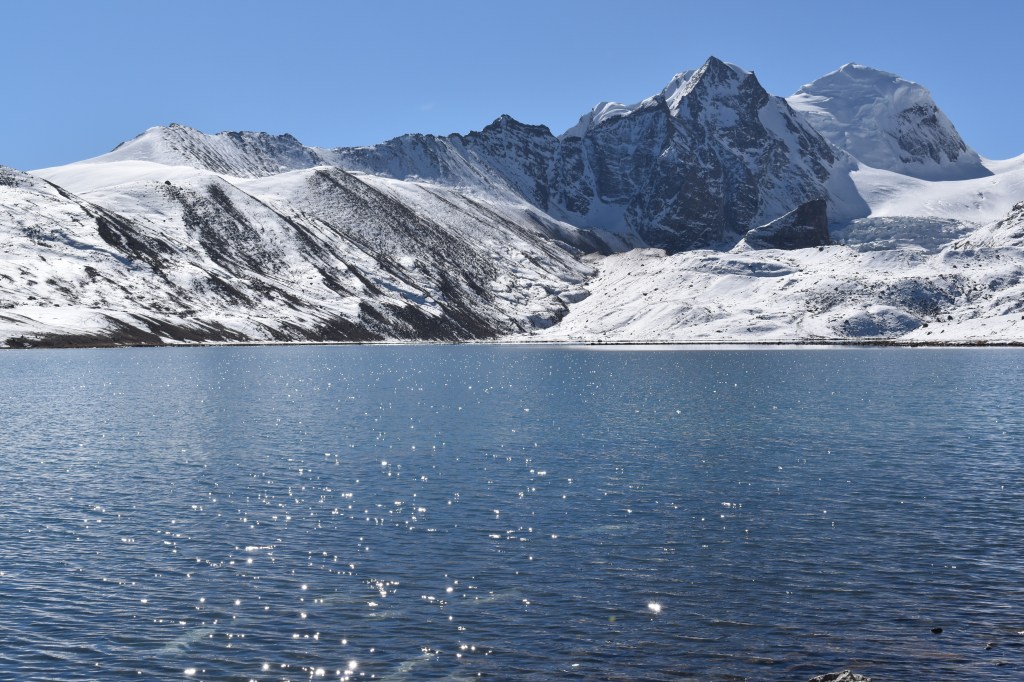
Where the sky kisses crystal-clear waters, and snow-clad peaks stand as silent guardians—Gurudongmar Lake is a dream woven in shades of blue and white, breathtaking and surreal beyond words.
My fascination with Gurudongmar Lake began in my college days when Professor Guruprasad Chattopadhyay, during one of his lectures, displayed mesmerizing images of the mighty mountain lake. He recounted a story from his own excursion there wherein one of his students, overwhelmed with joy, fainted due to the low oxygen levels. I don’t blame her. If mere unedited images of Gurudongmar lake could leave me spellbound, I could only imagine what standing before the real thing would feel like.
The thought lingered in my mind for years, and finally, I embarked on the journey to witness this surreal marvel myself.
Reaching the Land of Pristine Beauty
Gurudongmar lake, the highest lake of India sits at an elevation of 17,800 feet in North Sikkim, far from human settlements. It is accessible as a day trip from Lachen, a remote village in North Sikkim. Our adventure began in Gangtok, where we hired a cab for a three-day North Sikkim tour. Our driver, Tshering LachungPa, a native of Lachung, accompanied us with his wealth of experience, skillful driving, and an endless stream of stories.
It was late October in the year 2021, just days after fresh snowfall. Since the Indian Army restricts tourist entry during heavy snow, we were fortunate to receive permits. On the first day, we embarked on a nearly 100-kilometer journey from Gangtok to Lachen, driving past cascading waterfalls and lush green valleys.
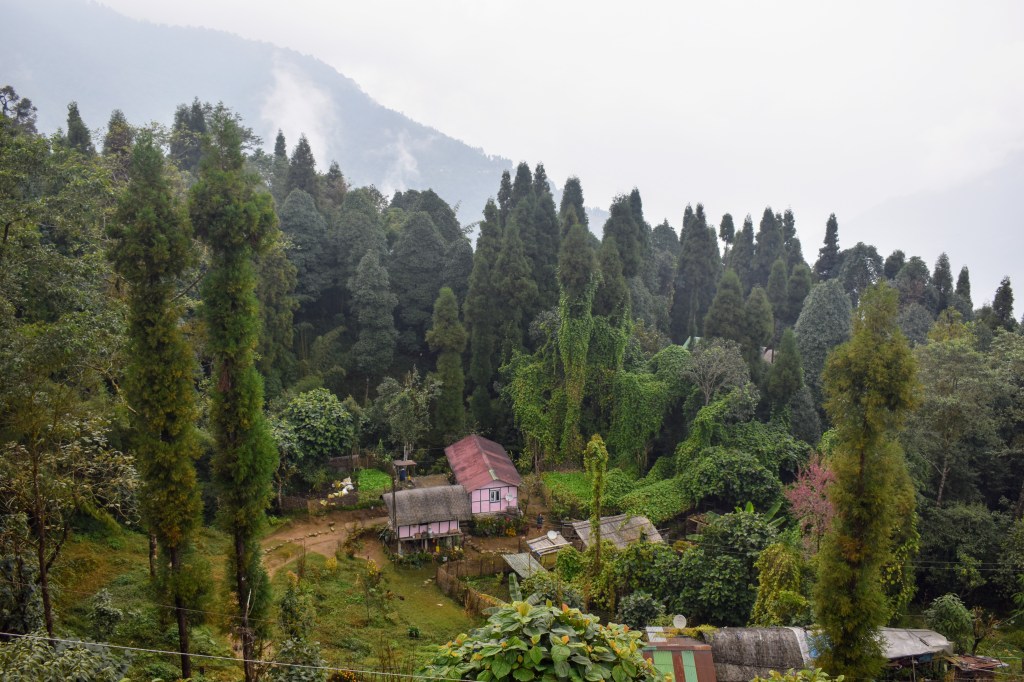
What makes the mountains of eastern India different from the Western Himalayas is their vibrant greenery. Dense forests all along the route makes it feel as if nature has bestowed all its blessings upon this tiny state.
By the time we neared Lachen village, darkness had settled in. The absence of streetlights made the journey eerily thrilling, with only the headlights of passing vehicles illuminating the narrow paths. The distant sound of a rushing stream and a light drizzle enhanced the mystery of the night.
We reached our homestay late in the evening. As the car door opened, the chill in the air sent shivers through my spine. Obviously not one, nor two, we required four layers of blankets and quilts to keep ourselves warm. One could say we were eating and drinking directly from the oven, yet everything felt lukewarm. The temperature hovered around zero degrees at night. We slept early, for we had to wake up long before the sun.
The Final Ascent
The next day, we set off for Gurudongmar before dawn. The frigid air forced the drivers to keep their engines running for a while before departure. As we left Lachen behind, the landscape transformed into a glorious spectacle—lush greenery bursting with colorful wildflowers. On one side of the road, a deep river valley, roared with the sound of gushing water. The climb was steep and winding, each turn revealing new and dramatic landscapes.
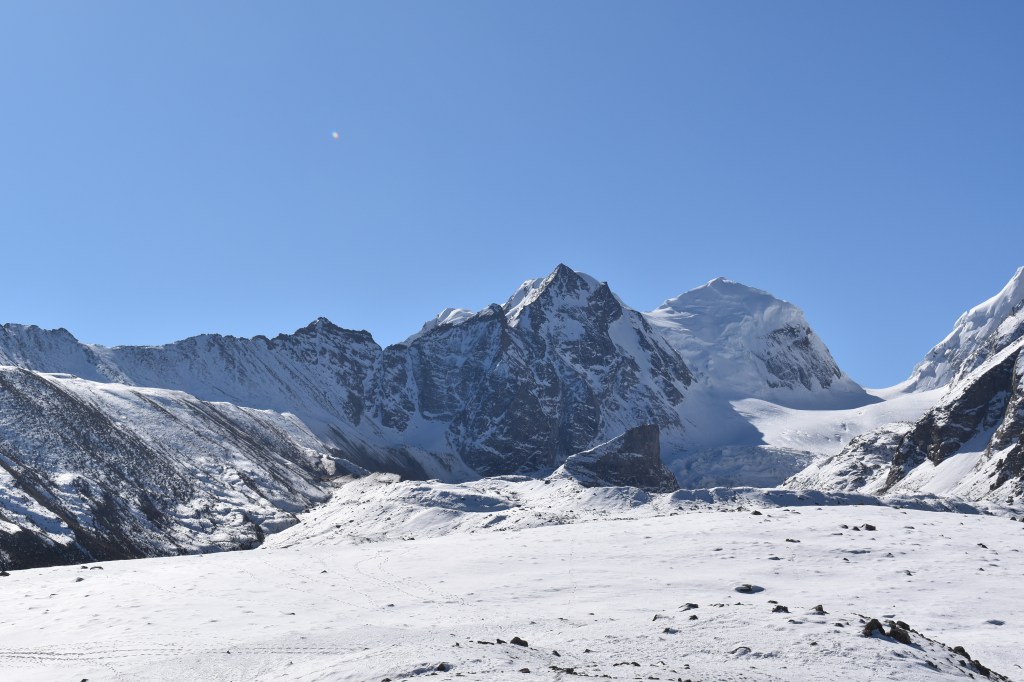
Thangu, a small military base, served as our breakfast halt. A few eateries here serve steaming hot food. Photography was prohibited, and only Indian tourists with valid permits could proceed beyond this point. A few kilometers later, the greenery gradually faded into a barren, rugged landscape. The higher we went, the more desolate the terrain became. But the views—oh, the views—were something out of a dream. Snow-covered peaks stretched endlessly, and the freshly fallen snow blanketed the mountains like a painter’s perfect stroke.
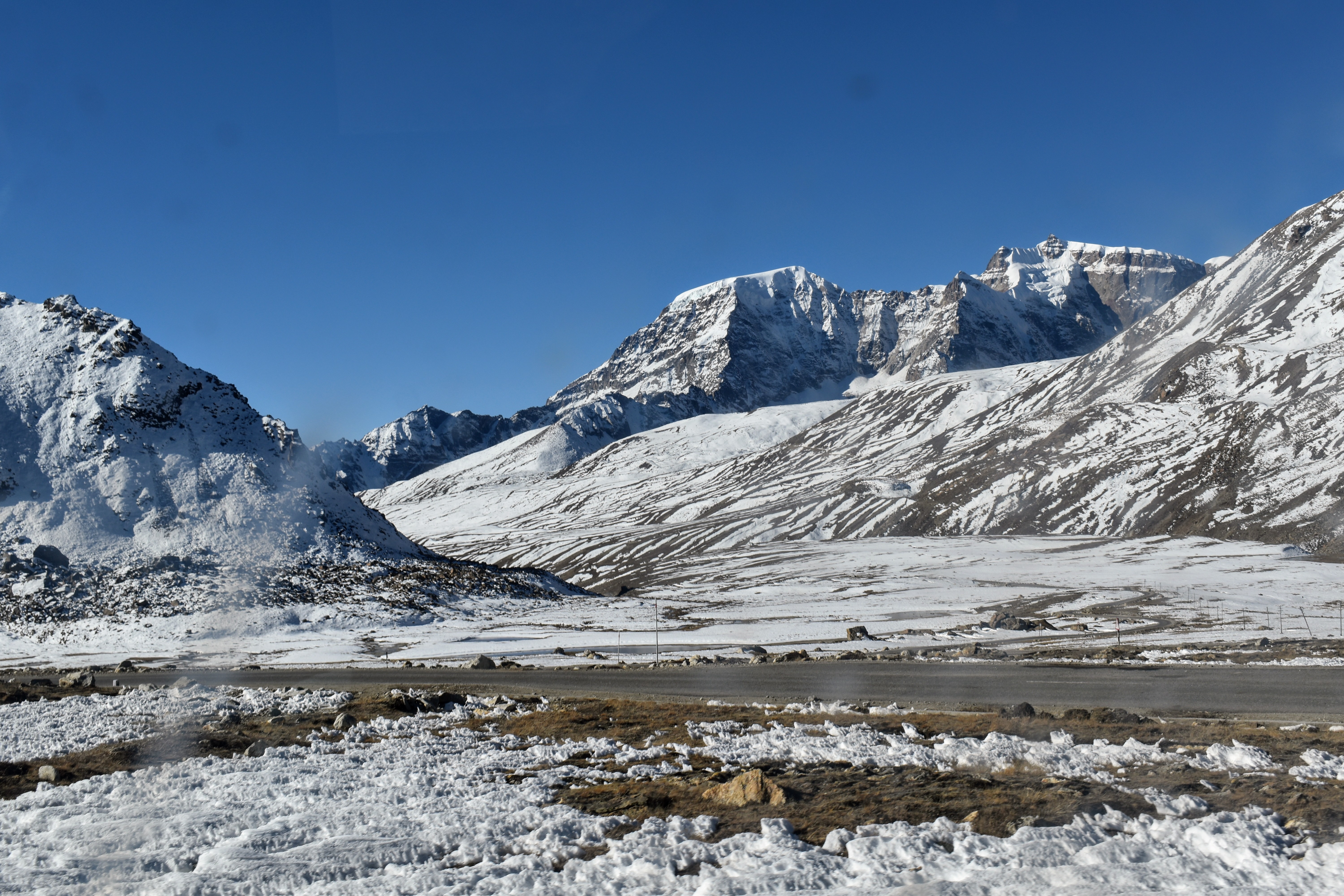
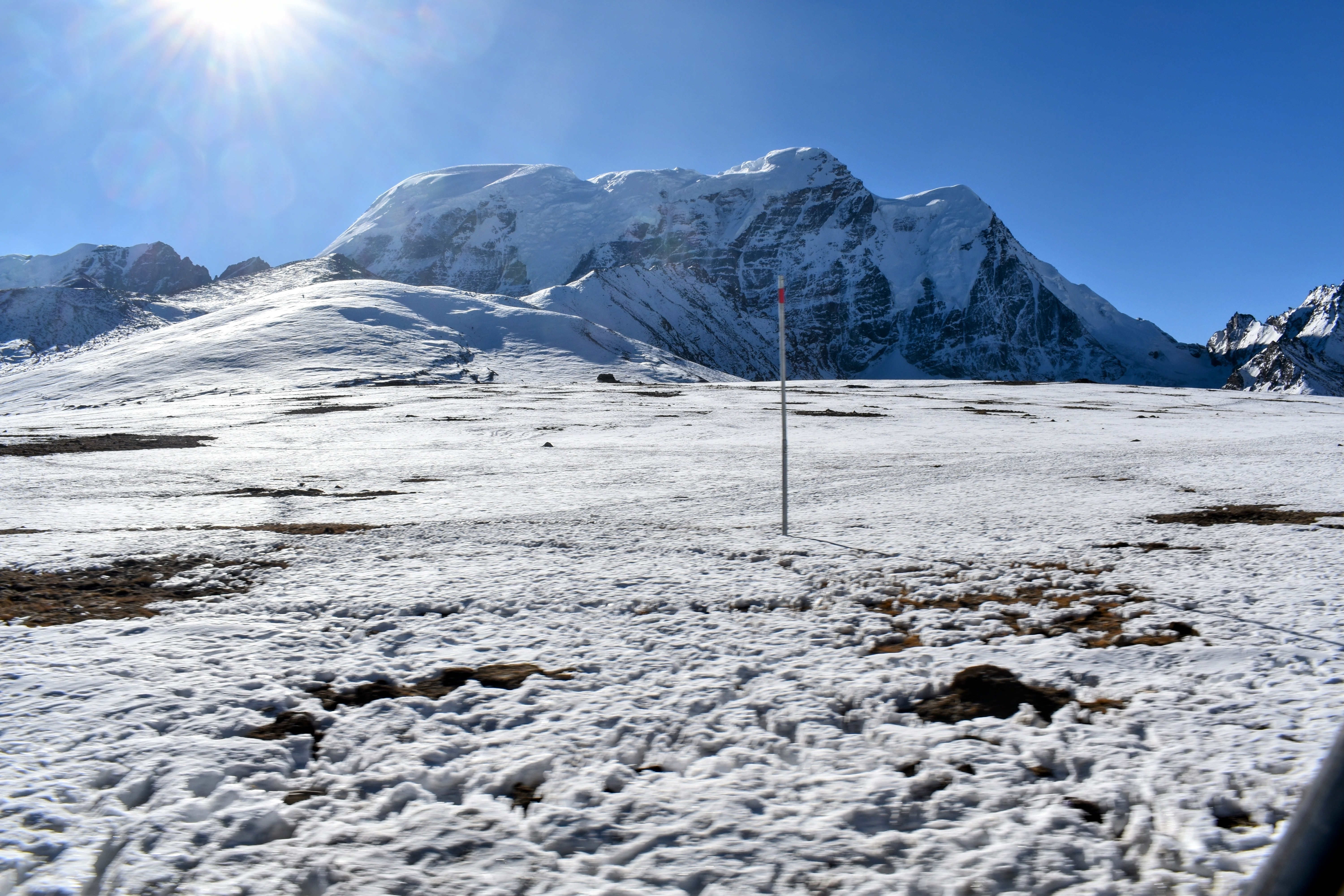
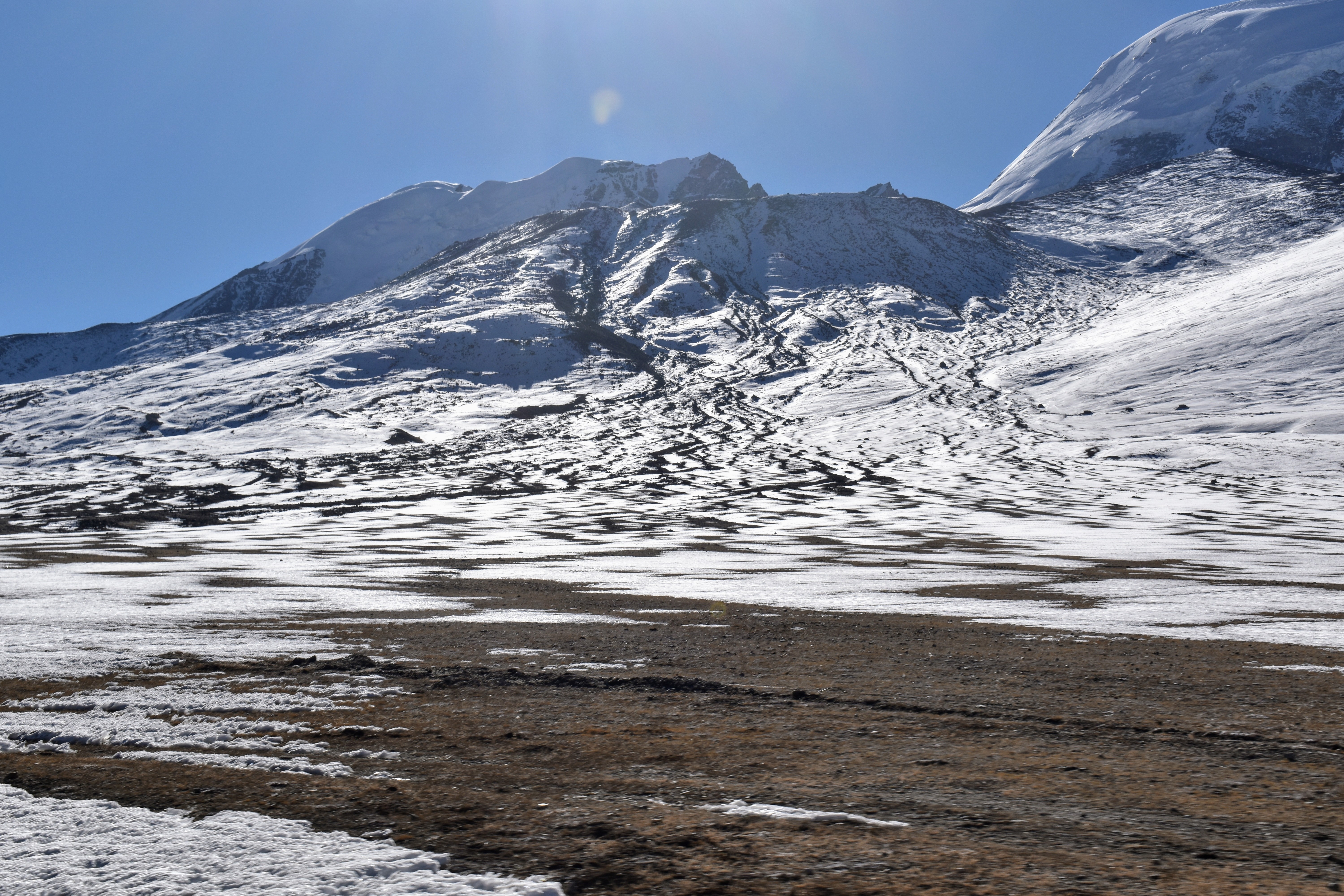
A endless white wonderland of untouched snow, whispering tales of the Himalayas.
The environment was so captivating that I had a strong urge to stop the car, step outside and soak it all in. But unfortunately, the driver didn’t allow it since we were in a restricted area.
The Majestic Gurudongmar Lake
When we finally stepped out of the vehicle at our destination, the cold hit us like a shockwave. I had never experienced such extreme weather and breathlessness. The sun was blindingly bright, yet the icy wind cut through our layers, sending chills down our spines. Walking required effort, let alone jumping with joy. The oxygen level was so low that every step felt laborious. I had to take repeated breaks.
And then, I saw it.
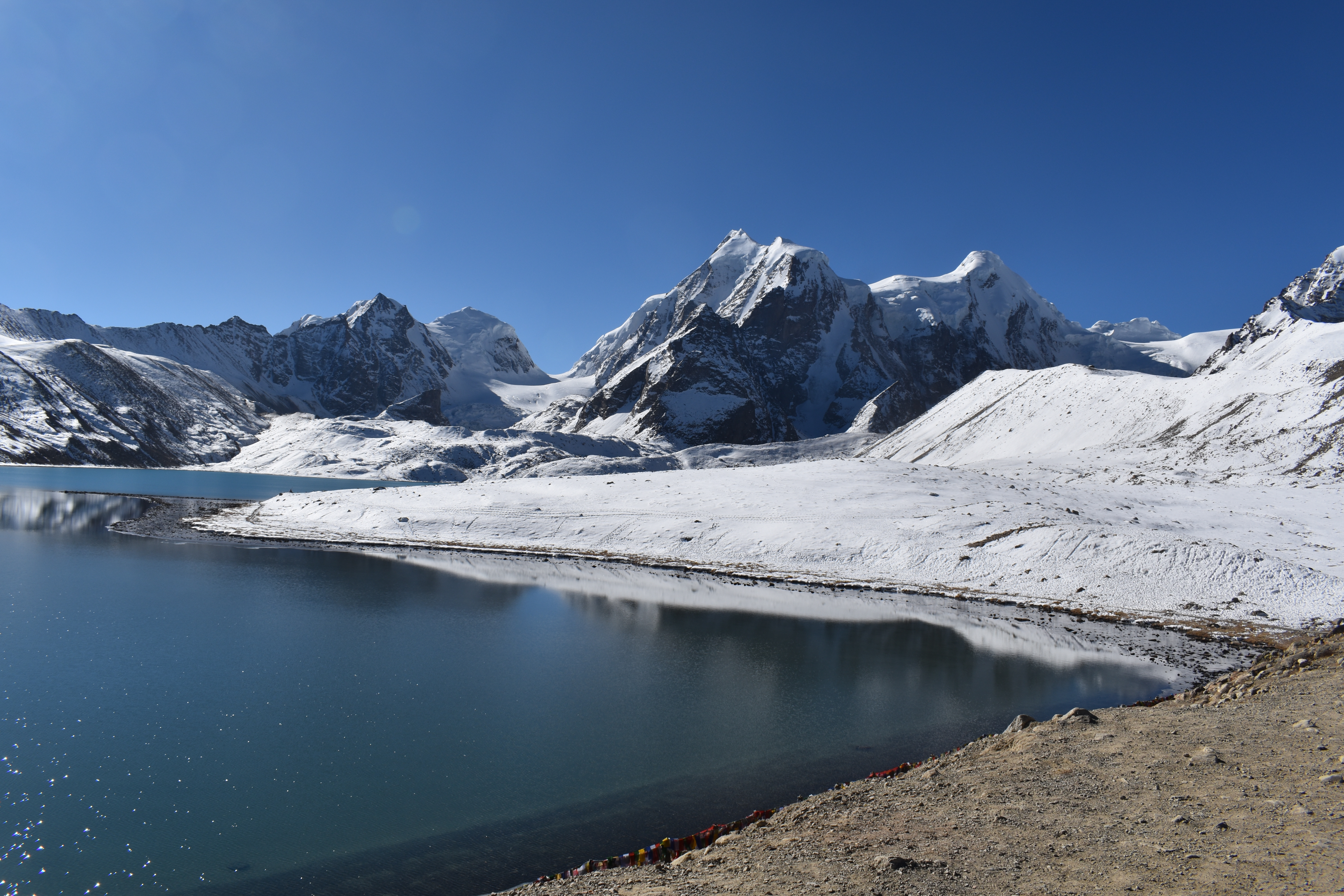
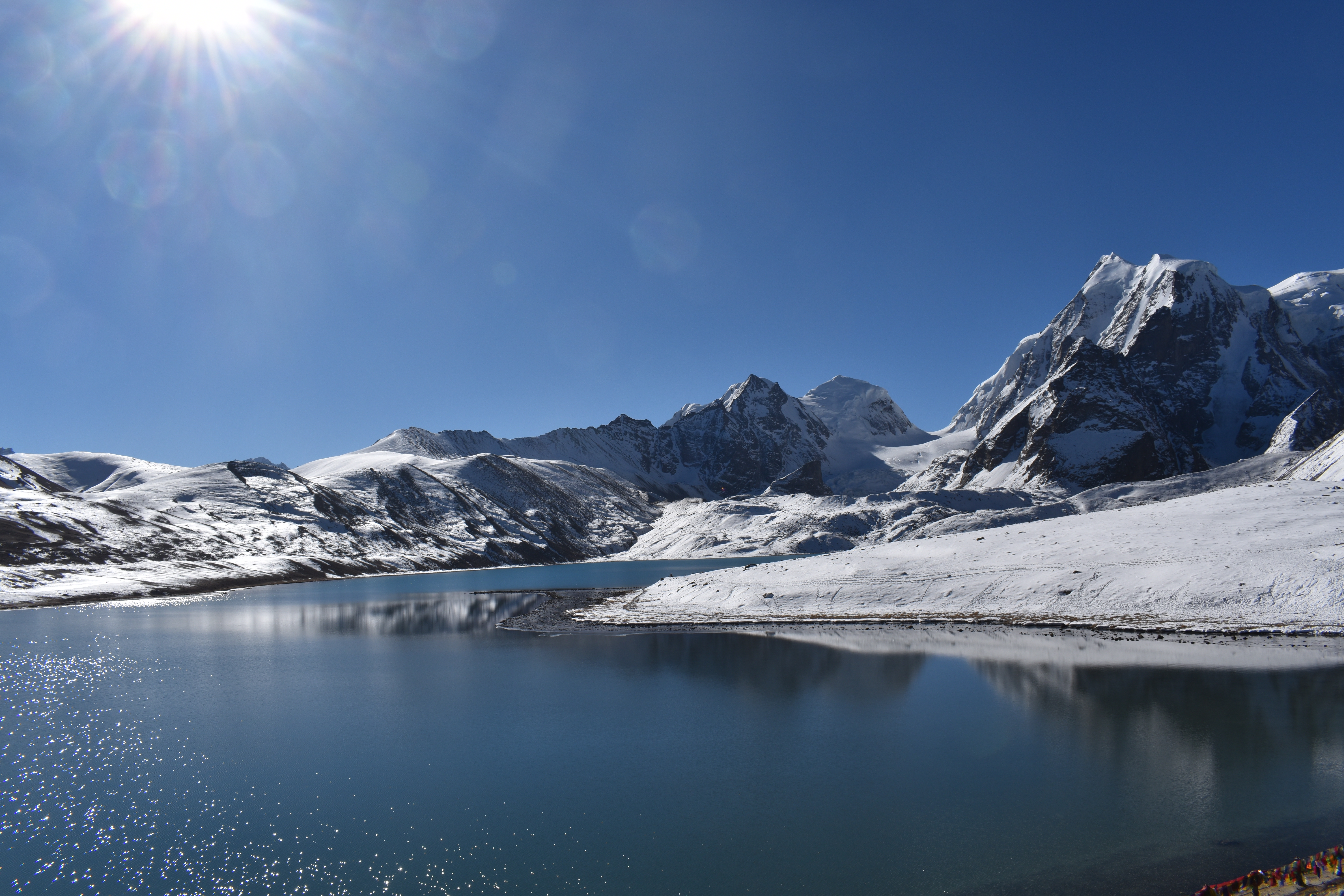
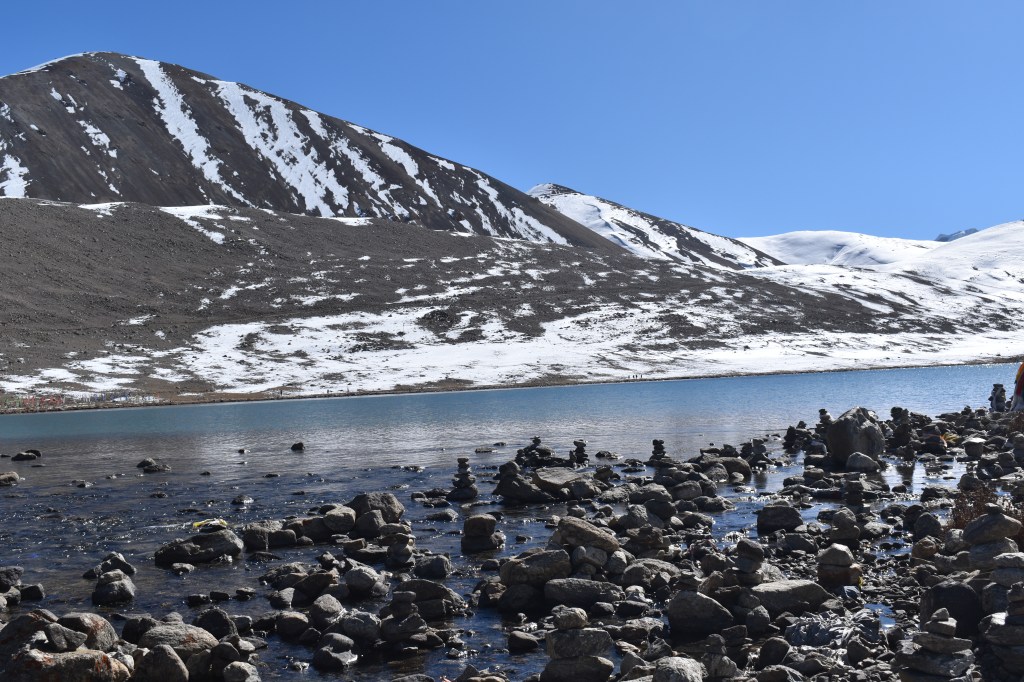
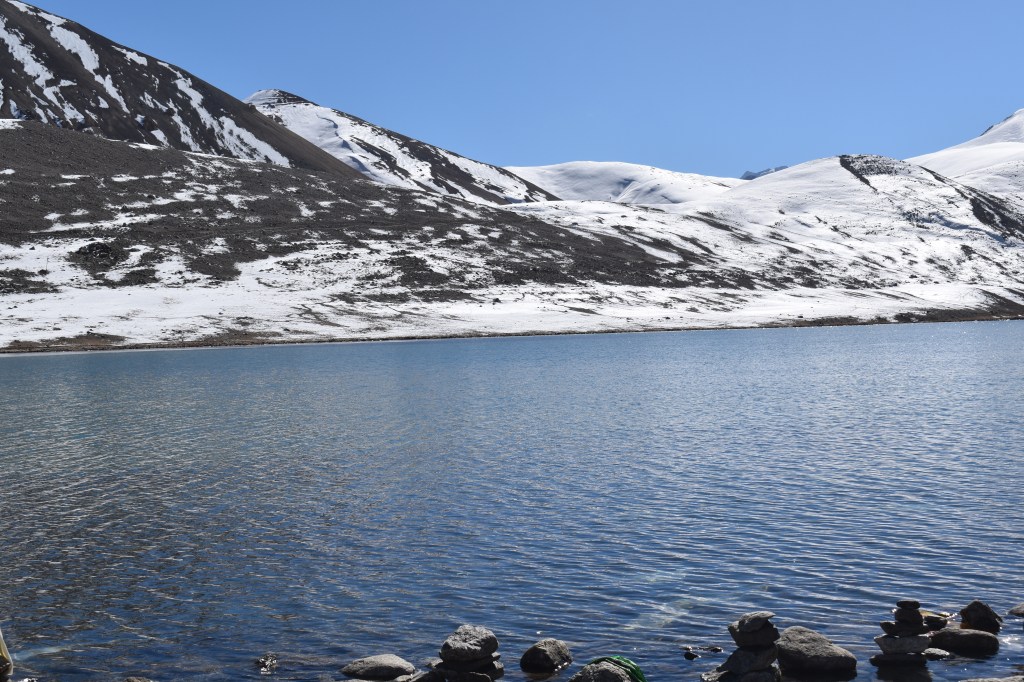
Gurudongmar Lake—crystal-clear waters reflecting the sky, encircled by towering snow-clad peaks on one side and a barren desert-like expanse on the other. The landscape vividly mirrored itself in the water, with sunlight glimmering on its surface. The sheer tranquility, the sacred aura, and the raw, untouched beauty left me speechless.
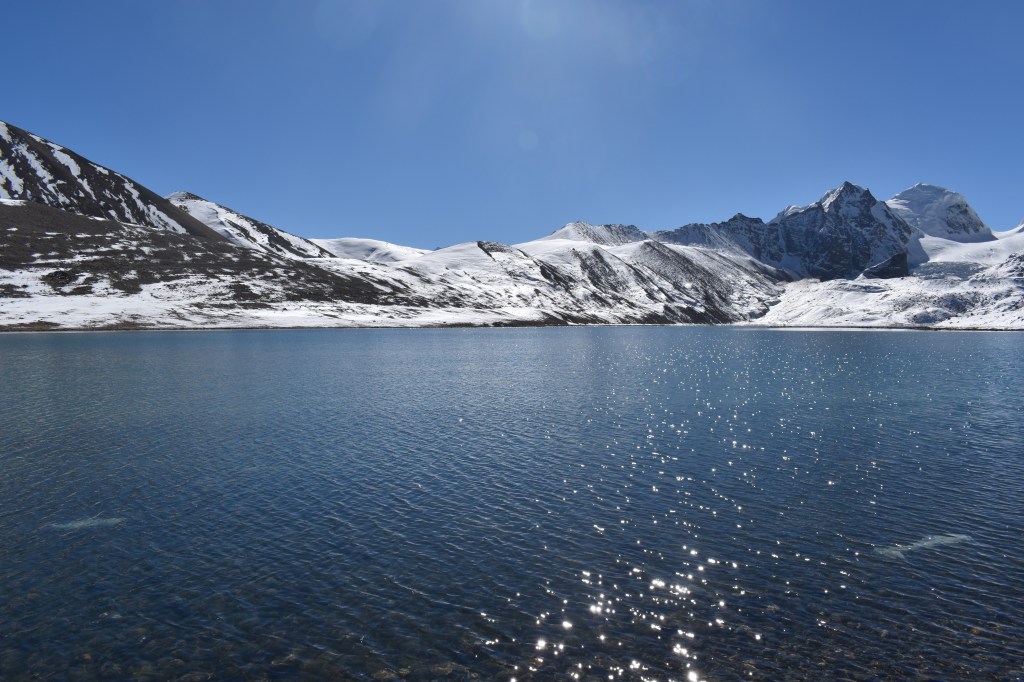
Indeed surreal! Never in my life had I witnessed such pristine beauty. The atmosphere here is fierce, but in literal terms, it is breathtakingly beautiful. The lake is one of the major sources of the Teesta River and holds immense spiritual significance. It is believed that Guru Padmasambhava blessed the lake during his journey to Tibet, and it also remains sacred to Hindus and Sikhs alike.
A Harsh Reality: The Need for Responsible Tourism
Amidst the breathtaking scenery, something disheartening caught my eye—plastic bottles and snack wrappers thrown around carelessly. There are no shops, no dustbins, and no cleaning staff here, so tourists are requested not to litter.
I wonder—why would anyone spoil such pristine beauty?
If we can carry packaged food, surely, we can carry back the waste.
Testing Human Limits
I composed myself and began exploring this fantasy land. The beauty of the landscape was beyond my imagination. I descended toward the lake, removed my gloves and dipped my fingers to check whether I was dreaming it all.
Jokes apart, I actually wanted to touch the holy water. Instantly, a jolt of cold numbed my hand—it felt like an electric shock, turning my fingers purple and numb for quite a while. Despite my body’s protests, I wandered along the lake’s edge, savouring each moment.
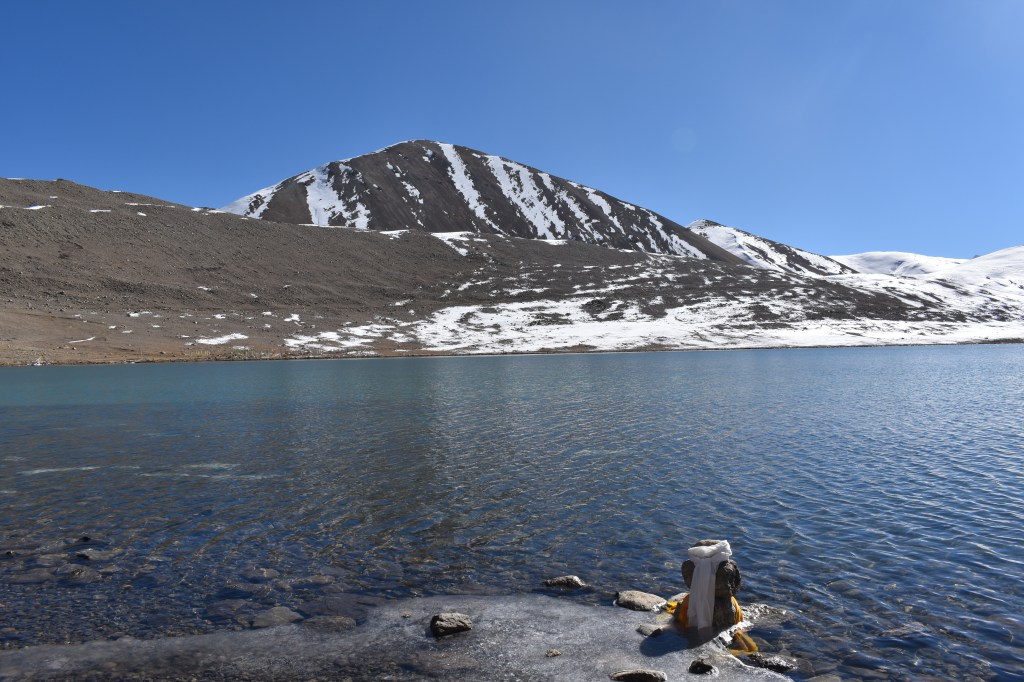
The altitude took its toll. My wrists and toes ached from the cold, and I had frostbite on my nose and toes. My head pounded, my breath grew shorter, and nausea set in. And trust me, vehicular exhaust only made things worse. Not collapsing here was a challenge.
The return journey was a blur of motion sickness and exhaustion. Altitude sickness had hit me hard, and I struggled until the next day to recover.
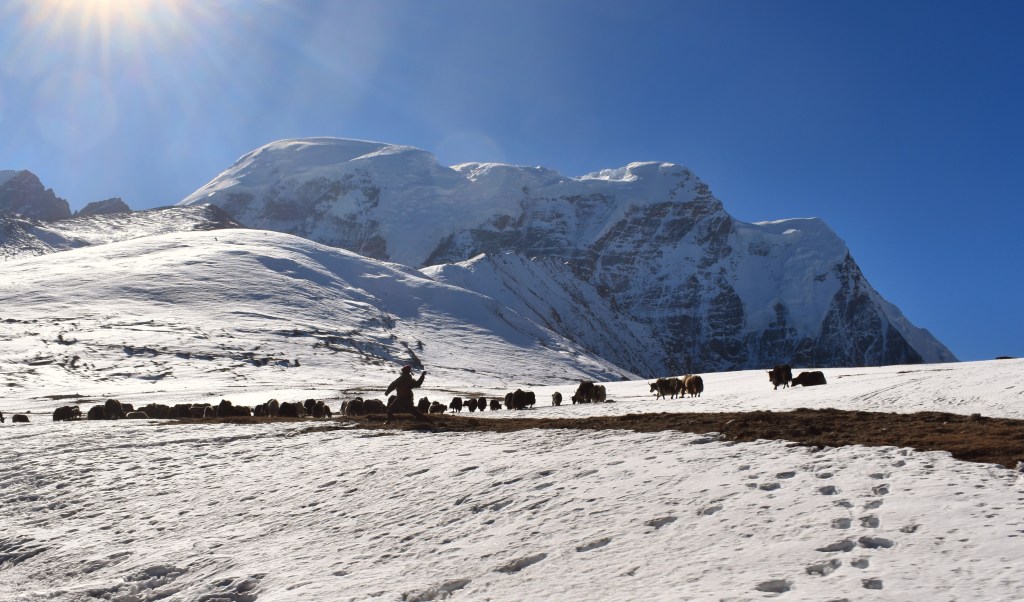
Yet, I was overwhelmed with gratitude for being able to visit this fantasy land. Gurudongmar is not just a destination—it is a test of endurance. The journey is rough, the climate extreme, and the oxygen scarce. I saw tourists rush back, unable to cope with the altitude. If you plan to visit, ensure you are both physically and mentally prepared.
Essential Travel Information
Permit for Gurudongmar
Since the lake is near the international border, only Indian nationals with an Inner Line Permit (ILP) can visit. Non-Indians are not permitted to travel beyond Thangu. The permit is issued by Police check post for domestic tourist. This permit can be arranged through your driver. Voter Id/driving License and two passport sized photographs are required for the same. Note: Aadhaar and PAN cards are not accepted as ID proof.
For foreign nations to travel through Lachen till Thangu, permit is issued by Permit Cell, Tourism Department of Sikkim.
What to pack for Gurudongmar?
Pack your regular medicines, along with medicines for motion sickness and altitude sickness. carry extra pairs of muffler, socks and sweater. Bring water in steel bottles and some light snacks, also preferably in non-disposable/reusable containers. But, please carry your trash back to your hotel.
Where to stay and What to eat?
Lachen, a small village, has limited accommodations, so advance booking is recommended. Lodging is basic, with frequent power cuts. Room heaters may not always work, but thick blankets and carpeted floors help. Carry extra warm clothing.
Fooding is also very basic in nature.
Important Tips to Keep in Mind
- Consult a doctor before embarking on this trip and keep the necessary medicines handy. Headaches, dizziness and shortness of breath are common once on top. people with respiratory issues are advised not to visit.
- Start early! Remember, you have to schedule your visit early because cloud cover increases rapidly with each passing hours.
- Limit your stay to 30-35 minutes. Prolonged exposure can lead to severe altitude sickness.
- Dress in multiple layers of clothing. Bring along enough woollens because it will be extremely cold. You might even need to wear two socks. Ensure that your ears and mouth are covered.
- Move slowly! Try not to jump around. Walk slowly and if there is even the slightest doubt, seek help immediately
- Children below 5 are not allowed.
- Only sturdy vehicles with higher ground clearance can make the journey. There is practically no road beyond Thangu. Small cars are not permitted beyond Thangu.
- Respect the sanctity of the place. Be a responsible citizen and do not litter in and around the lake as it is considered a very sacred lake.
Final Thoughts
Despite the physical toll, my journey to Gurudongmar Lake was an unforgettable experience—one that fulfilled a long-held dream. The landscape, the adventure, and the challenge made it a once-in-a-lifetime trip. If you crave raw, untouched beauty and are willing to endure its extremes, Gurudongmar Lake will reward you with an experience beyond imagination.
But most importantly, let’s travel responsibly—leave only footprints, take only memories.
Would you dare to embark on this adventure? Let me know in the comments!


 Ayantika Malakar
Leave a reply to Manish Debnath Cancel reply